Contents
- What Causes Bruised Varicose Veins?
- Potential Risks of Bruised Varicose Veins
- Symptoms to Watch For
- How to Prevent Bruised Varicose Veins
- Vein Treatments to Prevent Bruising
- Lifestyle Tips for Healthy Veins
- When to Contact a Vein Specialist
- Frequently Asked Questions
- United Vein & Vascular Centers: Your Partner in Vein Health
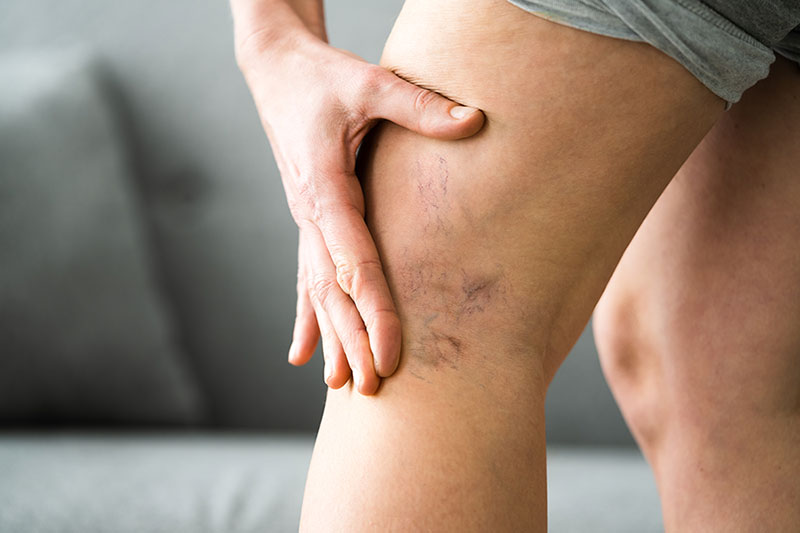
Varicose veins are enlarged, twisted veins that often appear bulging beneath the skin. While some people may not experience discomfort, varicose veins can cause pain, itching, heaviness, or swelling. In some cases, these veins can become bruised, which may indicate underlying complications.
When veins break, they leak blood, and then bruises have the potential to form. If your varicose veins have led to bruising, here are some things you may want to know.
What Causes Bruised Varicose Veins?
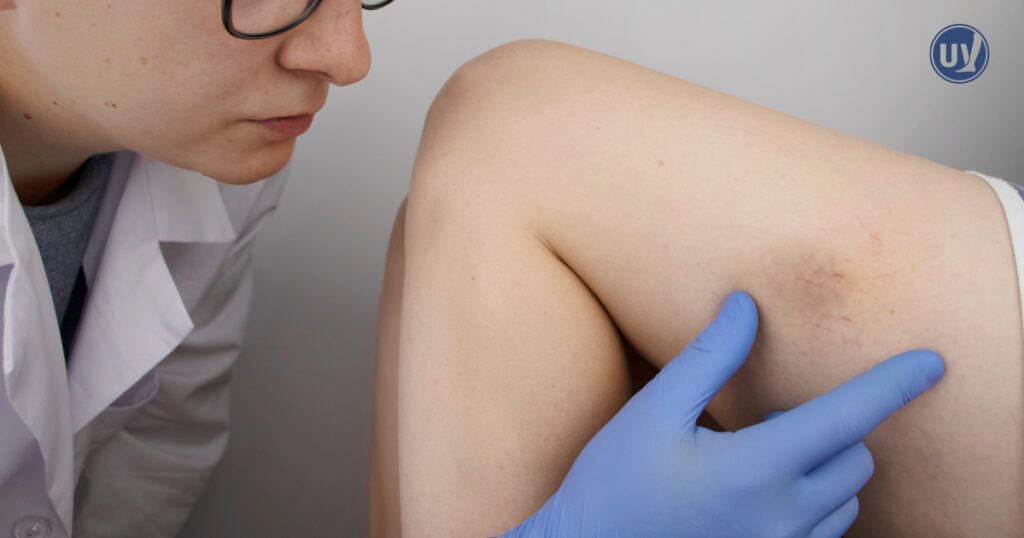
Bruised varicose veins occur when the vein wall becomes weakened or damaged, allowing blood to leak into surrounding tissue. This leakage can create visible discoloration on the skin, which appears as a bruise.
Factors that increase the risk of bruising include:
- Injury or trauma to the affected leg
- Thin or fragile skin due to age or sun damage
- Advanced vein disease with severely weakened valves
- Chronic swelling in the legs from fluid buildup
Even minor bumps or pressure on the legs can result in bruising if the veins are already compromised.
Potential Risks of Bruised Varicose Veins
Internal and External Bleeding
When a varicose vein is bruised, it can lead to internal or external bleeding. Blood collects under the skin, causing a bruise, and if left untreated, the damaged vein may continue to leak.
Bruised veins that do not heal properly or are accompanied by swelling, redness, or warmth could indicate a more serious problem. Consulting a vein and vascular specialist can help prevent complications and address bleeding risks.
Skin Ulcers
Bruises on varicose veins may act as warning signs for skin ulcers. Varicose veins reduce circulation, which can affect the skin’s ability to heal. Over time, minor bruising or discoloration can progress to painful ulcers if not properly managed.
It is important to monitor your skin closely. Persistent discoloration, open sores, or changes in texture should be evaluated by a specialist promptly.
Infection Risk
While rare, bruised varicose veins that break the skin can become a site for bacterial infection. Signs of infection include redness, warmth, swelling, and tenderness. Early medical evaluation can prevent the infection from spreading and causing further complications.
Symptoms to Watch For
Bruised varicose veins are not always painful, but certain symptoms indicate that medical attention is needed:
- Persistent or worsening bruising
- Pain, swelling, or heaviness in the leg
- Skin discoloration that does not fade over time
- Open sores or ulcer formation
- Warmth or redness around the vein
If you notice any of these signs, contacting a vein specialist at UVVC is essential for timely diagnosis and treatment.
How to Prevent Bruised Varicose Veins
Preventing bruised varicose veins involves managing underlying vein disease and protecting your legs from injury.
Some strategies include:
- Compression stockings: Wearing compression garments improves circulation and reduces pressure on weakened veins.
- Regular movement: Walking, swimming, and low-impact exercise help prevent blood from pooling in the legs.
- Elevating your legs: Raising your legs above heart level several times per day reduces swelling and supports vein health.
- Weight management: Maintaining a healthy weight decreases pressure on leg veins.
- Avoid prolonged sitting or standing: Taking breaks to walk or stretch helps prevent blood stagnation in the legs.
Vein Treatments to Prevent Bruising
Several minimally invasive treatments are available to manage varicose veins and reduce the risk of bruising:
- Microphlebectomy: Removes bulging veins through tiny incisions.
- Radiofrequency Ablation: Seals affected veins using radiofrequency energy.
- Sclerotherapy: Injects a solution that causes veins to collapse and fade.
- Varithena Procedure©: Foam-based sclerotherapy that treats twisted veins.
- VenaSeal™: Uses medical adhesive to close problem veins without multiple injections.
These treatments improve circulation, reduce leg discomfort, and lower the chance of bruising or other vein complications.
Lifestyle Tips for Healthy Veins
Even after treatment, maintaining vein health is crucial. Consider these lifestyle adjustments:
- Stay hydrated to support blood flow.
- Avoid high-sodium diets that can increase swelling.
- Wear comfortable shoes to avoid excess pressure on veins.
- Schedule regular checkups with a vein specialist to monitor your condition.
When to Contact a Vein Specialist
You should contact UVVC if bruising, pain, or swelling worsens, or if you notice skin changes near your varicose veins. Early intervention can prevent serious complications such as skin ulcers or chronic bleeding.
Frequently Asked Questions
While most bruised varicose veins are not immediately dangerous, they can indicate underlying vein disease and may increase the risk of skin ulcers, bleeding, or infection if left untreated. Consulting a vein specialist is recommended for proper evaluation.
Prevention strategies include wearing compression stockings, staying active with regular exercise, elevating your legs, maintaining a healthy weight, and avoiding prolonged sitting or standing. These steps help improve circulation and reduce pressure on weakened veins.
Minimally invasive treatments include radiofrequency ablation, microphlebectomy, sclerotherapy, Varithena, and VenaSeal. These procedures help close or remove damaged veins, improve circulation, and reduce the risk of bruising or other complications.
United Vein & Vascular Centers: Your Partner in Vein Health
You do not have to live with the discomfort and risks of bruised varicose veins. At UVVC, our vein specialists provide comprehensive evaluation and treatment plans tailored to each patient’s needs.
Our team focuses on:
- Reducing varicose vein symptoms
- Improving mobility and comfort
- Enhancing overall quality of life
With minimally invasive procedures and expert guidance, our specialists can help restore healthier circulation and reduce the risk of bruising and other complications.
Contact United Vein & Vascular Centers today to schedule a consultation and take the first step toward safer, healthier veins.