Healthy blood circulation is essential for your body’s overall performance. From supplying oxygen to your tissues to removing waste products, your circulatory system keeps everything running smoothly. When circulation is compromised, your legs often send the first warning signals. Ignoring these signs can lead to serious vascular problems, including blood clots, varicose veins, and chronic venous insufficiency.
Understanding what to look for, and how to respond, can help you maintain leg health and prevent complications.
Common Signs Your Legs May Have Poor Circulation
Here are five key indicators that your circulation might not be optimal:
1. Tingling or Numbness
A persistent tingling, pins-and-needles sensation, or numbness in the legs or feet may indicate restricted blood flow. If left unchecked, this can affect nerve function over time.
2. Pain, Cramps, or Heaviness
Leg discomfort after standing or sitting for long periods is a classic sign of poor circulation. Some people describe it as a dull ache or a feeling that their legs are heavy and tired.
3. Skin Color Changes
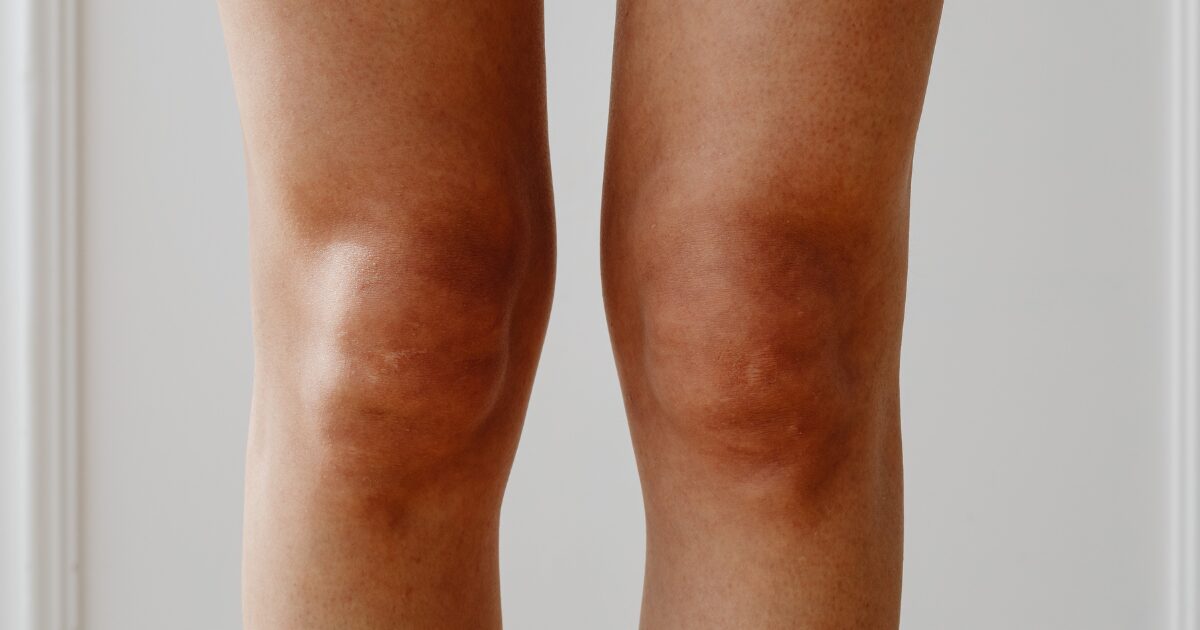
Watch for unusual color changes in your lower legs or feet, such as paleness, bluish tones, or reddish patches. Chronic discoloration may signal venous insufficiency or peripheral artery disease.
4. Swelling in the Lower Legs
Swollen ankles, feet, or calves often indicate blood pooling due to insufficient circulation. Swelling that worsens at the end of the day is particularly concerning.
5. Bulging or Varicose Veins
Visible, enlarged veins are not just cosmetic, they may indicate that valves inside the veins are failing, allowing blood to flow backward and collect in the legs.
Lifestyle Strategies to Improve Leg Circulation
The good news is that improving circulation is often possible with small daily changes.
Move Your Legs Every Day
Daily movement activates the calf muscles, which act like a natural pump to return blood to the heart. Walking, cycling, swimming, or even short leg stretches throughout the day can make a noticeable difference.
Use Compression Stockings
Compression stockings gently squeeze your legs, preventing blood from pooling and encouraging proper circulation. They are particularly useful for people with varicose veins or chronic venous insufficiency.
Eat a Circulation-Friendly Diet
Foods rich in antioxidants, omega-3 fatty acids, and fiber support healthy blood vessels. Staying hydrated also prevents blood from becoming too thick, making it easier for the heart to circulate blood efficiently.

When Medical Intervention May Be Needed
If symptoms persist despite lifestyle improvements, a specialist evaluation may be necessary. Modern vein and vascular care offers minimally invasive options to restore proper circulation and reduce discomfort.
- Radiofrequency Ablation (RFA): Uses heat to close inefficient veins.
- Sclerotherapy: Collapses small spider veins to improve blood flow and appearance.
These procedures are performed in-office, require minimal downtime, and are designed to improve circulation while reducing symptoms quickly.
Frequently Asked Questions
Yes. Untreated circulation problems can lead to chronic pain, skin changes, leg ulcers, and a higher risk of blood clots. Early detection and intervention can prevent serious complications.
No. While age can increase risk, lifestyle factors, genetics, obesity, and underlying medical conditions can affect circulation at any age.
Persistent swelling, discoloration, numbness, or bulging veins warrants a vascular evaluation. Specialists can determine the cause and recommend appropriate treatment options.
Signs It’s Time to Seek Expert Care
Even mild symptoms can be the first indicator of a larger problem. Seek professional evaluation if you notice:
- Legs that feel heavy, painful, or numb frequently
- Swelling that does not improve with elevation
- Persistent changes in skin color or temperature
- Veins that appear twisted, bulging, or dark
Early intervention can prevent serious complications, restore leg comfort, and improve overall quality of life.
Take Control of Your Circulation
Ignoring warning signs can allow vascular issues to progress, but taking action now can make a meaningful difference. Your legs are meant to support your active life, not hold you back. By understanding the warning signs of poor circulation and taking action, you can improve mobility, reduce discomfort, and protect your long-term vascular health.
Don’t wait for symptoms to worsen. Find a local United Vein & Vascular Center clinic near you to schedule a consultation and start your journey toward healthier legs and better circulation.