La mala circulación es el resultado de un flujo sanguíneo inadecuado a una o más zonas del cuerpo. El sistema circulatorio transporta sangre, nutrientes y oxígeno por todo el cuerpo. Cuando se reduce la circulación en una zona concreta, pueden aparecer síntomas como entumecimiento y hormigueo, hinchazón, calambres musculares y decoloración de la piel.
Improving circulation starts with simple habits that keep blood moving throughout the body. Regular movement and exercise, staying hydrated, avoiding long periods of sitting or standing, not smoking, and using compression when appropriate can all support healthy blood flow. However, persistent leg swelling, aching, heaviness, cramping, or skin changes may indicate an underlying vein or vascular condition that lifestyle changes alone cannot resolve.
Afortunadamente, aumentar el flujo sanguíneo puede ser sencillo con los métodos adecuados. Aprende a mejorar la circulación en piernas, brazos y otras partes del cuerpo en esta completa guía.
Causas de la mala circulación
Una circulación deficiente puede deberse a diversos factores, desde hábitos sedentarios hasta afecciones médicas subyacentes. Algunas de las causas más comunes de una circulación débil son:
- Blood clots: Blood clots are clumps of blood that partially or completely block healthy blood flow. While they can accumulate nearly anywhere in the body, clots in the legs or arms, in particular, can cause circulation problems.
- Peripheral artery disease (PAD): PAD causes the arteries to narrow and reduces blood flow over time, specifically in the legs.
- Varicose veins: Varicose veins are bulging, twisted veins with a dark purple or blue appearance. They develop when veins and valves stop functioning properly, causing blood to pool and collect in the legs instead of traveling upward.
- Diabetes: Consistently high blood glucose levels can develop fatty deposits within the blood vessels. Over time, these deposits can harden and narrow the vessels, decreasing circulation in the legs, arms, hands and feet.
- Raynaud’s syndrome: Raynaud’s syndrome causes coldness and numbness in the fingers and toes, usually in response to cold temperatures or stress. The condition causes the small arteries in your hands and feet to narrow temporarily, limiting blood flow.
- Deep vein thrombosis: Deep vein thrombosis (DVT) occurs when a thrombus, or blood clot, develops in the deep veins of the legs. It often forms when a person does not move for long durations, such as bed rest or traveling. DVT becomes more severe when the blood clots break loose, get stuck in the lungs and prevent blood flow, also known as a pulmonary embolism.
- Atherosclerosis: Atherosclerosis occurs when plaque, the buildup of cholesterol, fats and other substances, attach inside and around the artery walls, reducing blood flow. Plaque can cause arteries to narrow over time. It can also rupture, potentially resulting in a blood clot.
Las personas fumadoras, mayores de 40 años, hipertensas y sedentarias también son más propensas a tener mala circulación.
¿Por qué mejorar la circulación?
Healthy blood circulation helps deliver oxygen and nutrients throughout the body while carrying waste products away from tissues. Good circulation is especially important in the legs, where veins have to work against gravity to return blood to the heart.
Some people may notice signs of circulation problems in the legs, including swelling, aching, heaviness, cramping, numbness, cold feet, or skin changes. These symptoms can have many causes, so persistent or worsening symptoms should be evaluated by a healthcare professional.
Daily habits such as regular movement, maintaining a healthy weight, staying hydrated, eating a balanced diet, and avoiding smoking can support overall vascular health. However, lifestyle changes alone may not resolve an underlying condition such as chronic venous insufficiency, varicose veins, or peripheral artery disease.
Cómo mejorar la circulación de forma natural
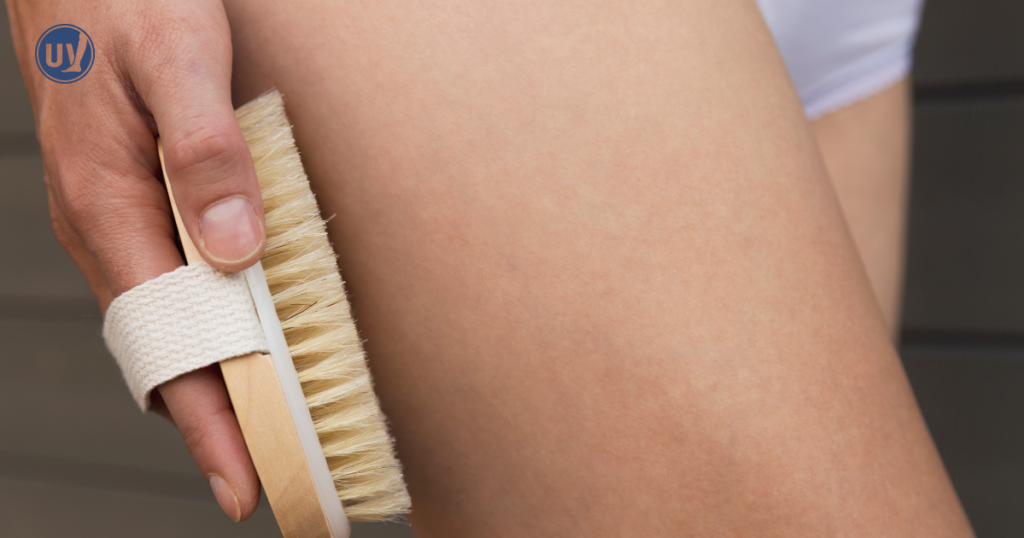
Si te preguntas cómo aumentar el flujo sanguíneo en las piernas de forma natural, a continuación te presentamos algunos remedios sencillos para mejorar la circulación.
1. Hidrate
Cuando se está deshidratado, el cuerpo disminuye la circulación sanguínea para almacenar energía. Para compensar, el corazón late más deprisa, lo que eleva la frecuencia cardiaca y la tensión arterial. La sangre también retiene más sodio cuando está deshidratada, lo que espesa la sangre y complica la circulación. Beber mucha agua facilita el bombeo de sangre al corazón y ayuda a que el oxígeno llegue a los músculos.
2. Avoid Staying in One Position Too Long
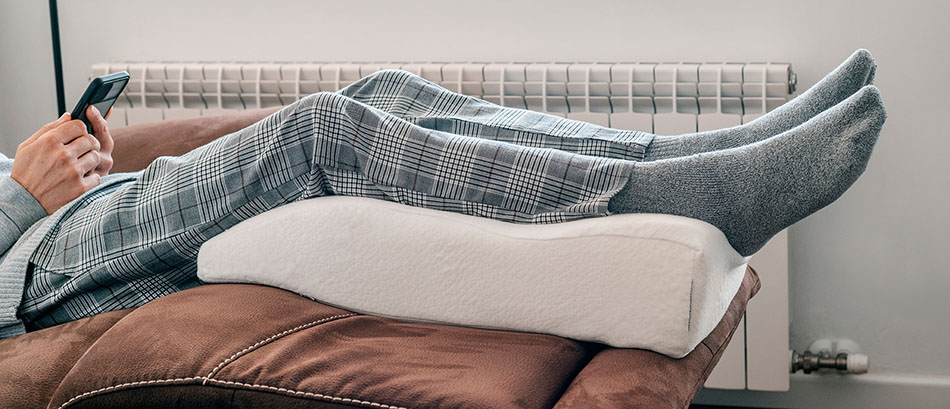
Long periods of sitting or standing can contribute to blood pooling in the legs and may worsen swelling or discomfort. If you sit for much of the day, try getting up and walking or stretching regularly. If your job requires prolonged standing, changing positions and taking short movement breaks can also help.
Simple movements such as ankle pumps and calf raises can be done throughout the day to encourage blood flow in the lower legs.
3. Usar medias de compresión
Las medias de compresión son calcetines largos diseñados para prevenir la hinchazón y los coágulos de sangre comprimiendo suavemente los músculos de las piernas y los tobillos. Estas prendas son ideales si tiene mala circulación en las piernas y los pies, o cuando viaja o permanece sentado mucho tiempo. Aunque las medias de compresión no pueden curar las varices, sí pueden ayudar a controlar las molestias asociadas a ellas.
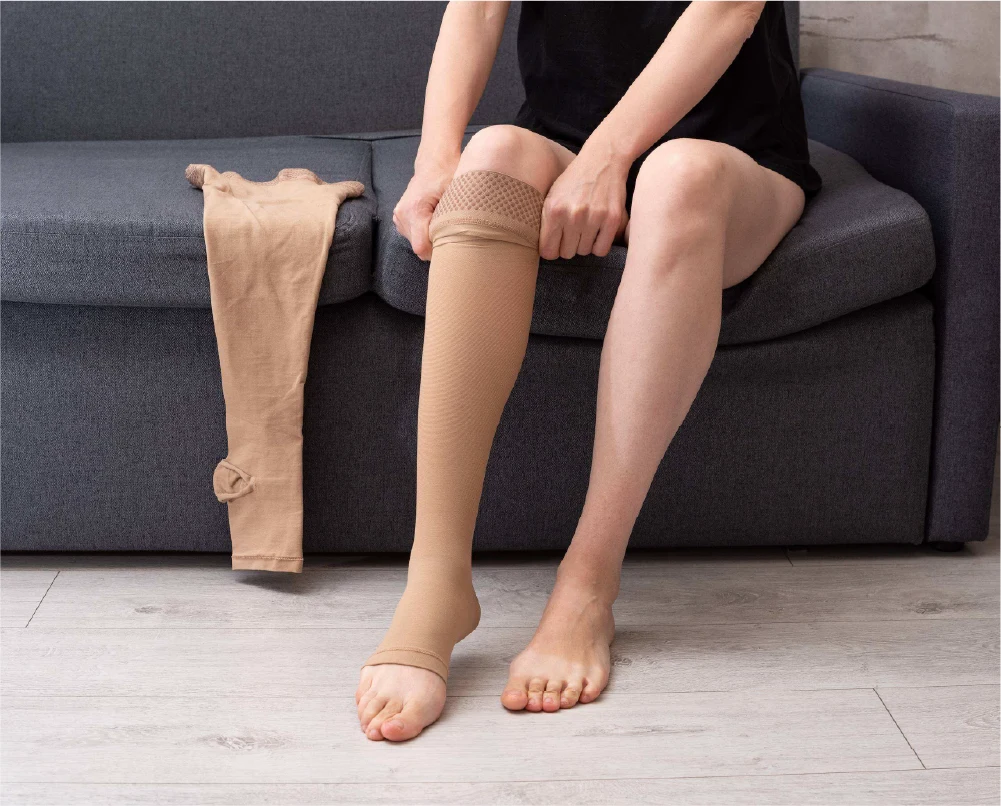
Las medias de compresión son asequibles y se pueden adquirir en farmacias sin receta médica. Prueba a elevar las piernas mientras llevas las medias de compresión para mejorar aún más la circulación.
4. Targeted Leg Exercises
Los ejercicios dirigidos específicamente a las piernas pueden ser decisivos para mejorar la circulación sanguínea. Las elevaciones de piernas, pantorrillas y tobillos son movimientos sencillos pero eficaces que estimulan el flujo sanguíneo en las extremidades inferiores. Estos ejercicios pueden realizarse en casa o en el trabajo, por lo que resultan cómodos para quienes tienen una agenda apretada. La práctica regular de estos ejercicios puede prevenir la acumulación de sangre en las piernas, reduciendo el riesgo de varices y otros problemas circulatorios.
Some additional exercises that are great for your veins include running, walking and biking. You can also try lower-impact activities like swimming and yoga. Strength training exercises like lifting weights are another excellent circulation booster.
5. Evitar fumar
The chemicals in cigarette smoke cause swollen and inflamed cells around the blood vessels. This can narrow the vessels, possibly leading to a variety of cardiovascular diseases. All tobacco products, even smokeless tobacco, can thicken your blood and damage artery walls.
Preguntas frecuentes
Early signs of poor circulation often include numbness or tingling in the hands or feet, leg fatigue, swelling, muscle cramps, cold extremities, and skin discoloration. These symptoms may worsen after long periods of sitting or standing and should be evaluated if they persist.
Yes! Staying hydrated, exercising regularly, avoiding smoking, wearing compression stockings, and maintaining a balanced diet can all help support healthy blood flow. However, if circulation problems are caused by underlying vein or artery disease, lifestyle changes alone may not fully resolve symptoms.
You should consider seeing a vein specialist if you experience ongoing leg pain, swelling, burning, heaviness, visible veins, or circulation symptoms that do not improve with self-care. A specialist can diagnose the underlying cause and recommend targeted treatment options to improve blood flow and comfort.
Concertar una consulta con un especialista en venas varicosas
Saber cómo aumentar la circulación sanguínea en el cuerpo es importante para su salud en general. Si padece anomalías venosas, como varices, y su circulación no mejora con los métodos de autocuidado, el siguiente paso puede ser consultar a un especialista en venas varicosas.
En United Vein & Vascular Centers, tratamos a cada paciente con las últimas tecnologías, equipos de última generación y atención compasiva. Realizamos procedimientos mínimamente invasivos vena incluyendo la ablación por radiofrecuencia (RFA), la escleroterapia y más.
Cuando visite nuestras instalaciones para una consulta, le ayudaremos a entender mejor lo que está sucediendo en sus piernas y venas, proporcionándole diferentes opciones de tratamiento y ayudándole a seleccionar la mejor para usted. ¡ Póngase en contacto con nosotros hoy para programar una cita de consulta!