Contenido
- What Is a Broken Blood Vessel?
- ¿Qué es un coágulo de sangre?
- Broken Blood Vessel vs Blood Clot at a Glance
- Broken Blood Vessel vs. Blood Clot: Key Symptom Differences
- Concerned About Leg Swelling, Heaviness, or Visible Veins?
- When Symptoms May Require Immediate Care
- When to See a Vein Specialist for Non-Emergency Symptoms
- Can Vein Disease Increase Blood Clot Risk?
- How Vein Health May Be Evaluated
- Preguntas frecuentes
- Understanding Your Next Step
A sudden mark on the skin, new swelling, or unexpected leg pain can be alarming. Many people wonder whether they are dealing with a broken blood vessel, a bruise, a visible vein issue, or something more serious like a blood clot.
While some broken blood vessels are minor and may improve on their own, blood clots can be serious and may require urgent medical care. Knowing the difference between common symptoms can help you better understand when to monitor a concern, when to contact a healthcare provider, and when to seek emergency care.
This guide explains the difference between a broken blood vessel and a blood clot, what symptoms to watch for, and when a vein specialist may be able to evaluate non-emergency vein or circulation symptoms.
What Is a Broken Blood Vessel?
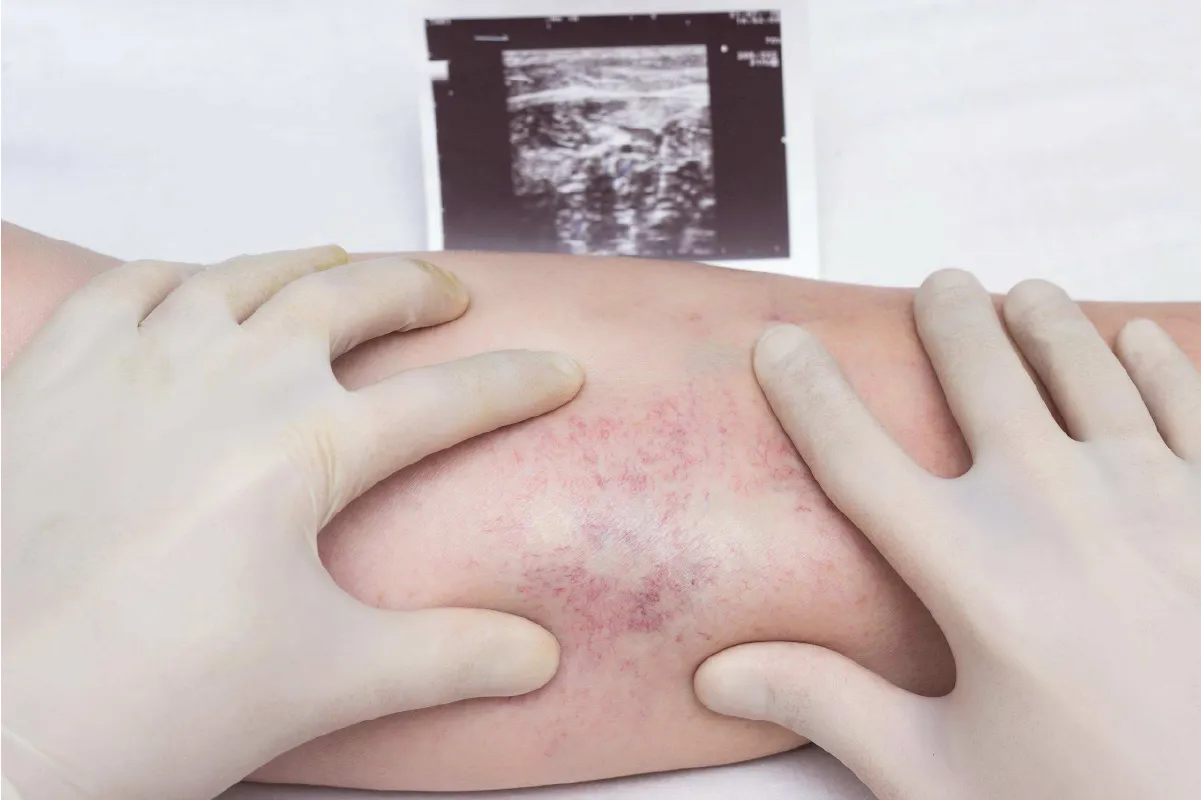
A broken blood vessel occurs when a small blood vessel under the skin breaks and leaks blood into the surrounding tissue. This may cause a red, purple, blue, or brown mark on the skin, depending on the size of the vessel and how much bleeding occurs beneath the surface.
Many broken blood vessels are related to minor trauma, pressure, aging skin, medications, or everyday strain. A small bruise after bumping your leg, tiny red dots after intense coughing, or visible surface vessels on the face or legs may all be examples of blood vessels becoming more noticeable beneath the skin.
Broken blood vessels may appear as:
- Bruising
- Small red or purple dots
- Thin visible surface vessels
- Decoloración de la piel
- Localized tenderness
- A flat or mildly raised mark on the skin
In many cases, a broken blood vessel stays near the surface of the skin and does not block blood flow. However, unexplained, widespread, worsening, or recurring skin changes should be evaluated by a healthcare provider. Some small red or purple spots, known as petechiae, can happen when capillaries bleed into the skin and may require medical evaluation to determine the cause.
¿Qué es un coágulo de sangre?
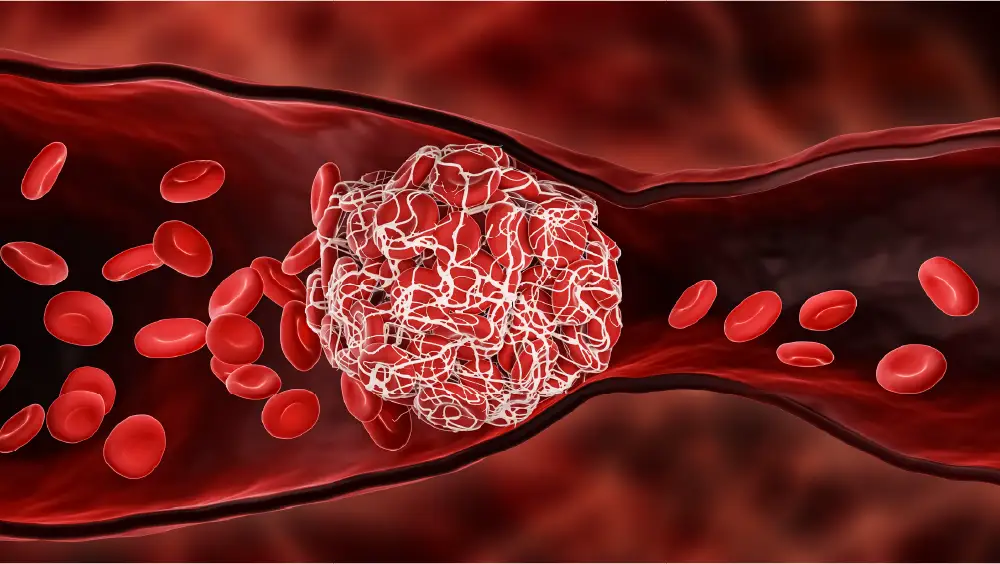
A blood clot is a gel-like collection of blood that forms inside a blood vessel. Clotting is a normal part of healing when you are injured, but a clot can become dangerous if it forms inside a vein or artery and blocks blood flow.
One type of clot is deep vein thrombosis, or DVT. DVT occurs when a blood clot forms in a deep vein, often in the leg. If part of the clot breaks loose and travels to the lungs, it can cause a pulmonary embolism, or PE, which can be life-threatening.
Blood clots are different from broken blood vessels because they may interfere with circulation inside the blood vessel. Symptoms of DVT can include swelling, pain or tenderness, warmth, and redness or discoloration in the affected area. Symptoms of PE can include unexplained shortness of breath, chest pain, coughing blood, or fainting.
Because blood clot symptoms can overlap with other conditions, it is important not to self-diagnose. A suspected blood clot should be evaluated promptly by a medical professional.
Broken Blood Vessel vs Blood Clot at a Glance
| Symptom | Broken Blood Vessel | Blood Clot (DVT) |
|---|---|---|
| Appearance | Bruise, red dots, visible vessel | Swelling, redness, discoloration |
| Dolor | Mild tenderness | Deep aching or cramping |
| Swelling | Usually minimal | Often significant |
| Warmth | Rare | Common |
| Location | Near skin surface | Deep inside vein |
| Emergency? | Usually no | Potentially yes |
Broken Blood Vessel vs. Blood Clot: Key Symptom Differences
A broken blood vessel and a blood clot can both involve skin changes, discomfort, or visible discoloration. However, they often look and feel different.
A broken blood vessel is more likely to cause a visible mark on the skin, such as a bruise, small red or purple spot, or localized discoloration. It may happen after an injury, pressure, or strain. The area may be mildly tender, but it is often limited to the skin or tissue near the surface.
A blood clot, especially a DVT, is more likely to cause deeper symptoms in one leg or arm. These may include swelling, pain, tenderness, warmth, redness, or discoloration. The discomfort may feel like cramping, tightness, soreness, or deep aching rather than a surface-level bruise.
These differences can be helpful, but they are not a substitute for medical evaluation. If you are worried about a possible clot, seek medical care promptly.
Concerned About Leg Swelling, Heaviness, or Visible Veins?
While blood clots require immediate medical attention, recurring symptoms such as leg swelling, aching, heaviness, or visible veins may be related to underlying vein disease.
Request a vein screening to determine whether venous reflux or another vein condition could be contributing to your symptoms.
When Symptoms May Require Immediate Care
Some symptoms should be treated as urgent. Do not wait for a vein screening if you think you may have a blood clot or pulmonary embolism.
Seek immediate medical care if you experience:
- Sudden or significant swelling in one leg or arm
- New pain, tenderness, warmth, or redness in one leg
- Skin discoloration with swelling or pain
- Falta de aliento repentina
- Chest pain, especially pain that worsens with deep breathing or coughing
- Tos con sangre
- Feeling lightheaded, dizzy, or fainting
- Rapid breathing or a rapid heartbeat
These symptoms may be associated with DVT or PE and should be evaluated right away.
It is also important to seek prompt medical attention for unexplained red or purple spots that spread, appear with fever, are associated with unusual bleeding or bruising, or do not improve. Some skin changes may be minor, but others can signal an underlying medical concern.
When to See a Vein Specialist for Non-Emergency Symptoms
A vein specialist can evaluate non-emergency symptoms that may be related to vein disease, venous reflux, chronic venous insufficiency, or other circulation concerns. This is different from emergency evaluation for a suspected blood clot.
Consider scheduling a vein screening if you have ongoing or recurring symptoms such as:
- Varices
- Spider veins with discomfort
- Leg swelling that comes and goes
- Pesadez o fatiga en las piernas
- Aching or throbbing
- Cramping or restless legs
- Itching or burning near visible veins
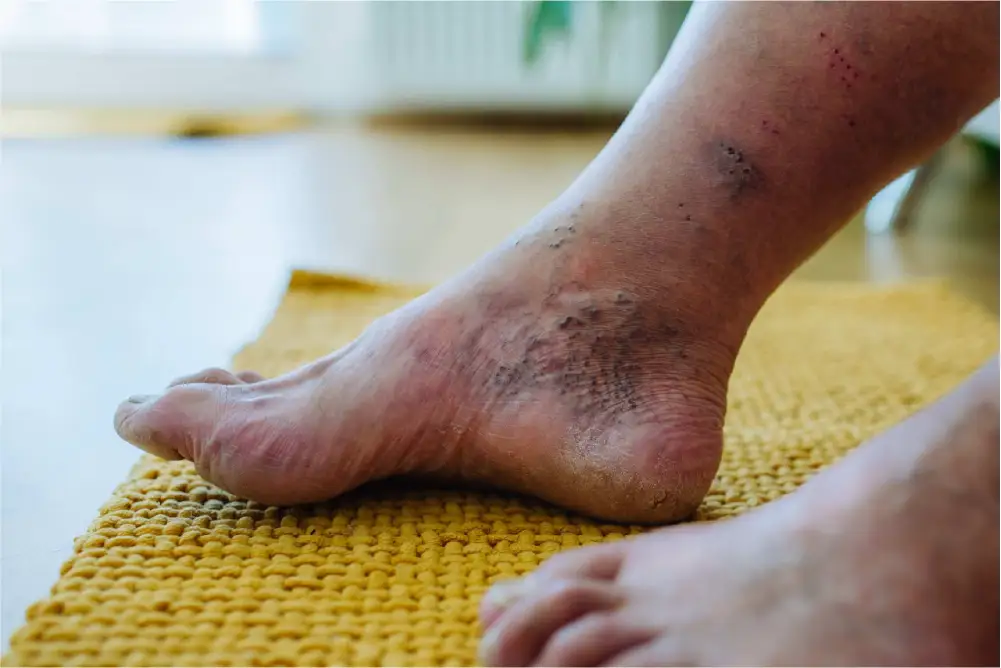
- Skin discoloration around the ankles or lower legs
- Symptoms that worsen after sitting or standing
- Symptoms that improve with walking or leg elevation
- Slow-healing wounds near the lower legs, ankles, or feet
These symptoms may point to underlying vein disease, especially when they develop gradually or keep returning. A vein screening can help determine whether further evaluation, such as diagnostic ultrasound, may be appropriate.
Can Vein Disease Increase Blood Clot Risk?
Vein disease and blood clots are not the same thing. Varicose veins, spider veins, venous reflux, and chronic venous insufficiency involve problems with how blood moves through the veins, while a blood clot is a blockage that forms inside a blood vessel.
However, certain vein-related conditions may be associated with circulation changes, inflammation, or blood pooling. Some people with varicose veins or chronic venous insufficiency may also have other risk factors for clotting, such as a personal or family history of clots, prolonged immobility, recent surgery, pregnancy, smoking, certain medications, or other medical conditions.
Because risk varies from person to person, symptoms should be evaluated based on the full clinical picture. If a clot is suspected, urgent medical evaluation is needed. For ongoing non-emergency vein symptoms, a vein specialist can help assess whether venous reflux or another vein condition may be contributing to discomfort.
How Vein Health May Be Evaluated
During a vein screening, a specialist may review your symptoms, medical history, family history, and lifestyle factors. They may ask when symptoms began, whether they are worsening, whether one leg is more affected than the other, and whether symptoms change with sitting, standing, walking, or leg elevation.
If underlying vein disease is suspected, a diagnostic ultrasound may be recommended. Ultrasound imaging can help evaluate blood flow, identify venous reflux, and determine whether certain veins are not functioning properly.
This information helps guide next steps and allows the provider to recommend treatment options based on your symptoms, ultrasound findings, vein anatomy, and overall health.
Preguntas frecuentes
You cannot reliably tell whether you have a blood clot without medical evaluation. Symptoms of DVT may include swelling, pain or tenderness, warmth, redness, or discoloration in one leg or arm. If you suspect a blood clot, seek medical care promptly.
Many broken blood vessels are minor and may improve on their own, especially if they happen after a small injury or pressure. However, unexplained, widespread, painful, worsening, or recurring skin changes should be evaluated. Red or purple spots that appear with fever, unusual bruising, or bleeding should be checked by a healthcare provider.
Vein disease is not the same as a blood clot, but some vein conditions may be associated with blood pooling or circulation changes. Individual clot risk depends on many factors, including medical history, mobility, medications, surgery, pregnancy, smoking, and family history. If a clot is suspected, urgent medical evaluation is needed.
Seek emergency care if you have sudden or significant swelling in one limb, new pain with warmth or redness, sudden shortness of breath, chest pain, coughing blood, fainting, rapid breathing, or a rapid heartbeat. These symptoms may be associated with DVT or pulmonary embolism and should not wait for a routine appointment.
Yes, a vein specialist can evaluate non-emergency circulation symptoms such as visible veins, recurring leg swelling, heaviness, aching, cramping, skin changes, or symptoms that worsen after sitting or standing. If your symptoms suggest an urgent issue such as a possible blood clot, seek immediate medical care instead.
A blood clot can sometimes cause skin discoloration, but many clots occur beneath the surface and may not look like a typical bruise. Because symptoms vary, medical evaluation is needed to determine the cause.
Not always. Some blood clots cause pain, swelling, warmth, or tenderness, while others may produce few noticeable symptoms. Any concern about a possible blood clot should be evaluated promptly.
Understanding Your Next Step
A broken blood vessel may look concerning, but it is often limited to a visible skin change. A blood clot can be more serious because it may block blood flow and, in some cases, travel to the lungs. Because symptoms can overlap, it is important to take new or worsening symptoms seriously.
If you have sudden swelling, significant pain, warmth, redness, chest pain, shortness of breath, coughing blood, or fainting, seek immediate medical care.
If you have ongoing leg swelling, heaviness, aching, visible veins, skin changes, or other recurring vein symptoms, United Vein & Vascular Centers can help evaluate whether underlying vein disease may be contributing to your concerns.
If you’re experiencing ongoing leg pain, swelling, heaviness, or visible vein changes, schedule a vein screening to learn whether underlying vein disease may be contributing to your symptoms.
Medically reviewed by UVVC National Medical Director, Dr. Domenic Zambuto, board certified vascular and interventional radiologist, with 20 years of experience.