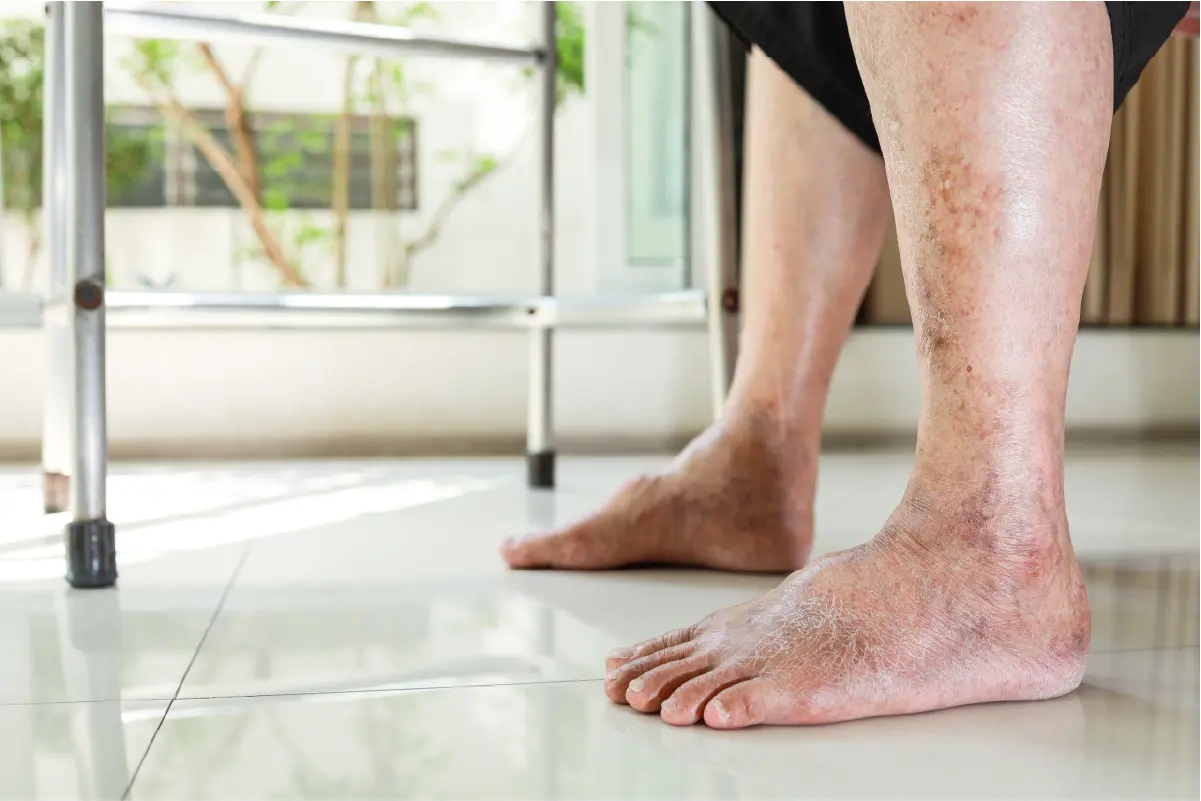
The early stages of venous insufficiency can range from slight swelling in the legs to a mild ache to new visible veins. Venous insufficiency can develop slowly, often beginning with symptoms that are easy to dismiss as everyday fatigue or normal changes in the legs. Mild swelling, heaviness, aching, or visible veins may seem minor at first, but they can be early signs that blood is not moving back toward the heart as efficiently as it should.
Recognizing these changes early can help you better understand what may be happening beneath the surface and take the next step toward protecting your long-term vein health.
Common Early Symptoms of Venous Insufficiency
Early signs of venous insufficiency may include:
- Pesadez o fatiga en las piernas
- Mild swelling in the lower legs or ankles
- Aching or throbbing discomfort
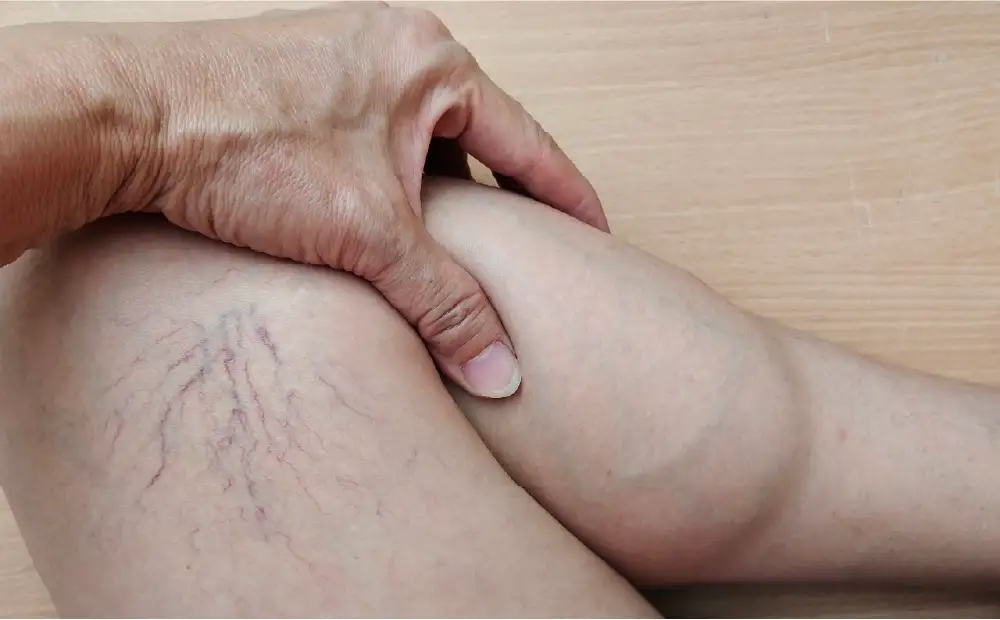
- Visible varicose or spider veins
- Itching, burning, or skin irritation
- Symptoms that worsen after standing or sitting for long periods
- Relief when legs are elevated
These symptoms may come and go at first, but recurring discomfort can be a sign that circulation is being affected.
What Is Venous Insufficiency?
Venous insufficiency occurs when the valves inside the veins weaken or stop working properly. These valves help keep blood flowing upward toward the heart. When they do not close as they should, blood can flow backward and pool in the legs.
This pooling increases pressure within the veins, which can lead to symptoms such as swelling, aching, heaviness, and visible varicose veins. Over time, untreated venous insufficiency may continue to progress.
Why Symptoms Often Get Worse Over Time
Venous insufficiency is often progressive, meaning symptoms can become more noticeable if the underlying vein problem is not addressed. As blood continues to pool in the legs, pressure within the veins can increase.
Over time, this pressure may cause veins to enlarge, swelling to worsen, and discomfort to become more frequent. Skin changes, discoloration, or irritation around the ankles may also develop in more advanced cases.
When Leg Symptoms May Signal Venous Insufficiency
Occasional leg fatigue may happen after a long day, but symptoms that persist, worsen, or interfere with daily activities may point to a vein issue.
You may want to seek evaluation if you notice:
- Swelling that becomes more frequent
- Leg heaviness that worsens throughout the day
- Aching or throbbing near visible veins
- Cambios en la coloración o textura de la piel
- Varicose veins that become larger or more painful
Identifying the cause early can help prevent symptoms from progressing and support more effective treatment.
Treatment Options for Venous Insufficiency
Treatment for venous insufficiency focuses on improving circulation by addressing veins that are not functioning properly. Depending on your symptoms, ultrasound findings, and overall vein health, your provider may recommend one or more treatment options.
Options may include:
- Compression therapy to support circulation, reduce swelling, and help manage symptoms
- Ultrasound-guided sclerotherapy to treat problematic veins beneath the skin using targeted injections
- Radiofrequency ablation (RFA) to close damaged veins using controlled heat energy
- VenaSeal™ to seal affected veins with a medical adhesive
- Varithena® to treat diseased veins using a specialized microfoam
These treatments are designed to close or manage problem veins so blood can reroute to healthier veins. By improving circulation, treatment may help relieve pressure, reduce symptoms, and support long-term vein health.
Preguntas frecuentes
Early signs may include leg heaviness, swelling, aching, visible veins, itching, or symptoms that worsen after standing or sitting.
Yes. Venous insufficiency can cause aching, throbbing, heaviness, or discomfort due to increased pressure in the leg veins.
They can be. Varicose veins often develop when vein valves are not working properly and blood begins to pool in the legs.
Yes, venous insufficiency can progress if left untreated, leading to worsening swelling, discomfort, visible veins, and skin changes.
You should seek evaluation if symptoms are persistent, worsening, or affecting your comfort, mobility, or daily routine.
Dé el siguiente paso hacia una mejor salud venosa
Early signs of venous insufficiency can be easy to overlook, but symptoms like leg swelling, heaviness, aching, or visible veins may point to an underlying circulation issue. Understanding what is causing your symptoms is the first step toward finding the right treatment and preventing vein disease from progressing.
At United Vein & Vascular Centers (UVVC), our specialists provide comprehensive vein evaluations and minimally invasive treatment options designed to improve circulation and relieve symptoms.
Experiencing leg swelling, heaviness, or visible veins? Request a free vein screening with UVVC to learn whether venous insufficiency may be causing your symptoms.