Vein health is a key part of overall wellness, yet it is often overlooked until discomfort or visible veins become difficult to ignore. Spider veins and varicose veins are common concerns, and while treatments today are highly effective, the timing of care can make a real difference in comfort, recovery, and results. The truth is, there is no single “best” season for vein treatment. Each time of year offers unique advantages, allowing you to plan your care according to your lifestyle, schedule, and personal needs.
Modern vein treatments are minimally invasive, effective, and tailored to individual patients. From sclerotherapy and laser therapy to endovenous ablation, there are solutions for almost every type of vein concern. By understanding how different seasons impact recovery, sun exposure, and everyday comfort, you can make informed decisions and achieve the best possible outcome.
Understanding Vein Health and Common Vein Conditions
Your veins play a critical role in your circulatory system, returning deoxygenated blood back to the heart. When veins do not function properly, it can lead to swelling, discomfort, and long-term complications. Two of the most common vein issues are varicose veins and spider veins.
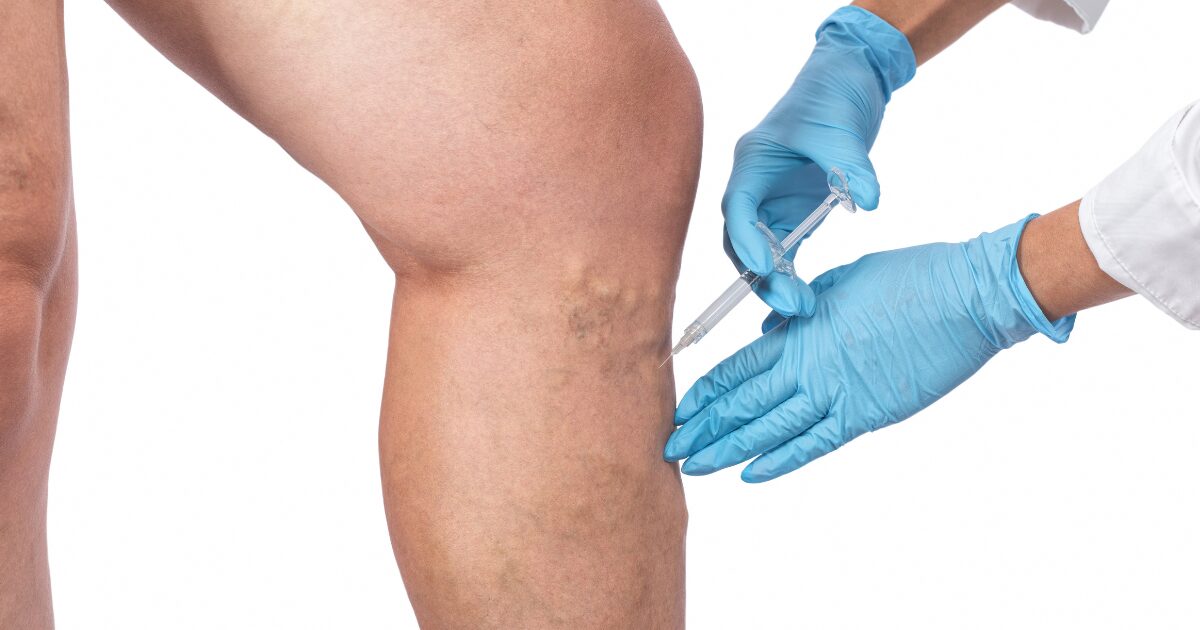
Varicose veins are enlarged, twisted veins that often appear on the legs. They can cause aching, heaviness, and even cramping. Spider veins are smaller and closer to the surface of the skin. While they are often considered cosmetic, they can indicate underlying vein problems. Recognizing the signs early, such as swelling, throbbing, or a feeling of heaviness, can make treatment more effective and prevent more serious complications.
Maintaining vein health also involves lifestyle awareness. Extended sitting or standing, obesity, and lack of movement can all contribute to vein issues. Early diagnosis and treatment, combined with healthy habits, provide the best chance for lasting vein health.
Why Timing Matters: How Seasons Impact Vein Treatment
While vein treatments are effective year-round, each season offers distinct benefits. Understanding these advantages can help you choose a time that aligns with your recovery needs, lifestyle, and even personal preferences.
Spring: A Season for Renewal and Comfort
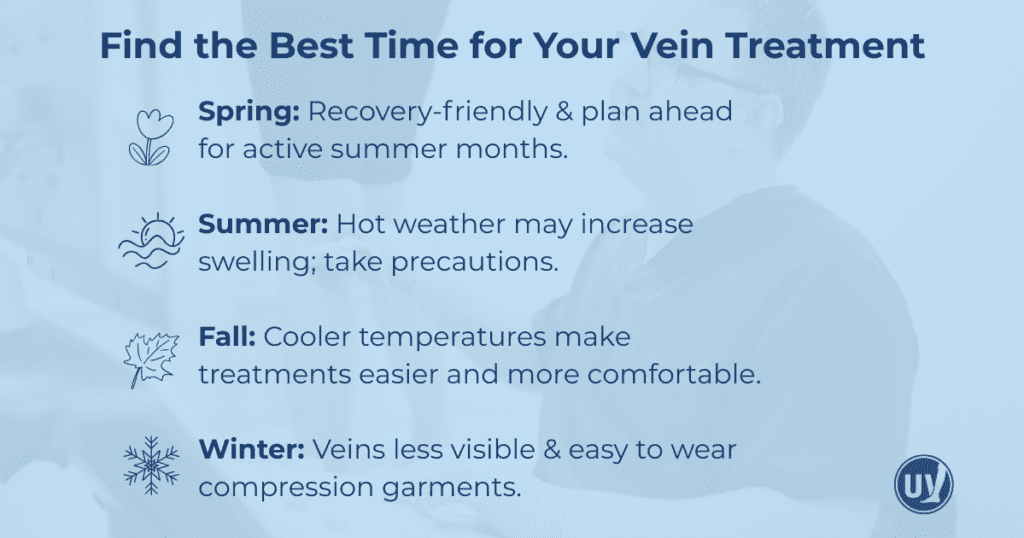
Spring is a time of transition and mild weather, making it ideal for patients who want to prepare for an active summer. Temperatures are comfortable, allowing for easier movement during recovery. Mild weather also makes wearing compression stockings more manageable.
Spring treatments are perfect if you want your veins looking healthier by summer. Minimal extreme heat reduces the risk of swelling, and it is easier to schedule outdoor activity as part of your recovery routine.
Summer: Embrace Active Healing
While heat can sometimes increase swelling, summer also provides flexibility for those who enjoy activity and want to recover while staying active. Many people schedule vein treatments in early summer to allow for quick recovery before vacations or events.
Summer treatments benefit from longer daylight hours, which can motivate patients to maintain movement and circulation during recovery. Sun exposure should be managed carefully with sunscreen and protective clothing, but active patients often find summer a great time to prioritize their health and mobility.
Fall: Cooler Temperatures and Strategic Planning
Fall offers cooler temperatures, which can make wearing compression garments more comfortable. Swelling is generally reduced during this season, creating a smoother recovery process. Fall is also a strategic time for treatment because insurance benefits and deductibles often reset at the start of the year, allowing patients to plan their care efficiently.
The crisp fall weather encourages outdoor activity without excessive heat, which supports circulation and healing. Fall treatment also provides ample time to fully recover before the busy holiday season.
Winter: Comfort and Convenience
Winter may seem like a challenging season for medical appointments, but it has unique advantages. Cooler temperatures reduce swelling and discomfort, making post-treatment care easier. Less sun exposure is also beneficial, as UV rays can interfere with the healing process.
Patients often have more flexibility in their schedules during winter months, and the season allows for comfortable wearing of compression stockings under layers of clothing. Winter treatments can also set the stage for healthier veins in the coming year.
Benefits of Early Vein Treatment
Regardless of the season, early treatment of vein issues offers significant advantages. Addressing veins before symptoms worsen can prevent more serious complications and reduce the need for invasive procedures. Early intervention also helps minimize pain, swelling, and fatigue in the legs, enhancing daily comfort and mobility.
Modern treatments are designed to be effective and minimally disruptive. For instance, sclerotherapy can target small veins, laser therapy treats spider veins, and endovenous ablation addresses larger, more complex veins. Recovery is usually quick, and patients can return to daily activities soon after treatment, making timing a matter of personal convenience rather than medical necessity.
Vein Care Tips for Every Season
Maintaining vein health requires attention throughout the year. Each season presents different challenges and opportunities:
Spring and Summer:
- Wear sunscreen to protect treated areas from UV rays
- Choose loose, breathable clothing to support circulation
- Stay hydrated to reduce swelling and support vascular health
- Incorporate regular walking or movement to improve blood flow
Fall and Winter:
- Wear compression stockings comfortably under layers
- Elevate your legs when resting to support circulation
- Stay active indoors to maintain vein health
- Use cooler weather as an opportunity to schedule treatments and recovery without summer heat
Simple adjustments like these help maximize the benefits of treatment and support long-term vascular health.
Taking Charge of Your Vein Health
Vein health is an essential part of overall wellness. By understanding the benefits of treatment in every season, you can make informed decisions and prioritize care when it works best for you. Whether you choose spring, summer, fall, or winter, modern vein treatments are effective and minimally invasive, offering excellent results at any time of year.
Consulting with a vein specialist ensures your treatment is tailored to your needs and provides guidance for recovery and long-term health. Prioritizing vein care can improve comfort, mobility, and confidence, helping you lead a more active and satisfying lifestyle.
Frequently Asked Questions
Absolutely! Modern vein treatments are effective year-round. Each season offers unique advantages, from cooler months making compression stockings more comfortable to warmer months supporting active recovery. Your specialist can help determine the best timing for your lifestyle and treatment needs.
Recovery is generally quick for most vein procedures. Patients may experience minor bruising or swelling, which typically resolves in a few days to a couple of weeks. Wearing compression garments, staying active, and following your doctor’s instructions helps ensure optimal results.
Yes. Planning ahead helps ensure a smoother experience. Consider your work, travel, and personal commitments, as well as insurance coverage, which may affect timing and out-of-pocket costs. Fall and winter often align well with insurance planning, but treatment can be scheduled at any time that works for you.
Ready to Take the Next Step?
Do not wait to address vein concerns. The experts at United Vein & Vascular Centers are here to help you choose the right treatment and the timing that fits your lifestyle. With personalized care, advanced techniques, and a focus on patient comfort, UVVC can help you achieve healthier, smoother legs.
Schedule a consultation with UVVC today and start your journey to better vein health no matter the season.