

Welcome back to Ask the Doc, an educational series from United Vein & Vascular Centers designed to provide clear, physician-led answers to common questions about vein and vascular health. Each week, a UVVC physician explains everyday symptoms and what they may mean medically.
In this installment, Dr. Kush Shah addresses an important question many patients don’t always connect to vein health: “Can vein disease affect the skin, even before bulging veins appear?”
Q: Can vein disease affect the skin?
Dr. Shah:
Yes. When blood pools in the veins due to venous insufficiency, pressure can build in the lower legs. Over time, this increased pressure can begin to affect the surrounding tissues, including the skin.
These changes may develop gradually and can sometimes appear before visible varicose veins become noticeable.
Q: What skin changes can occur?
Dr. Shah:
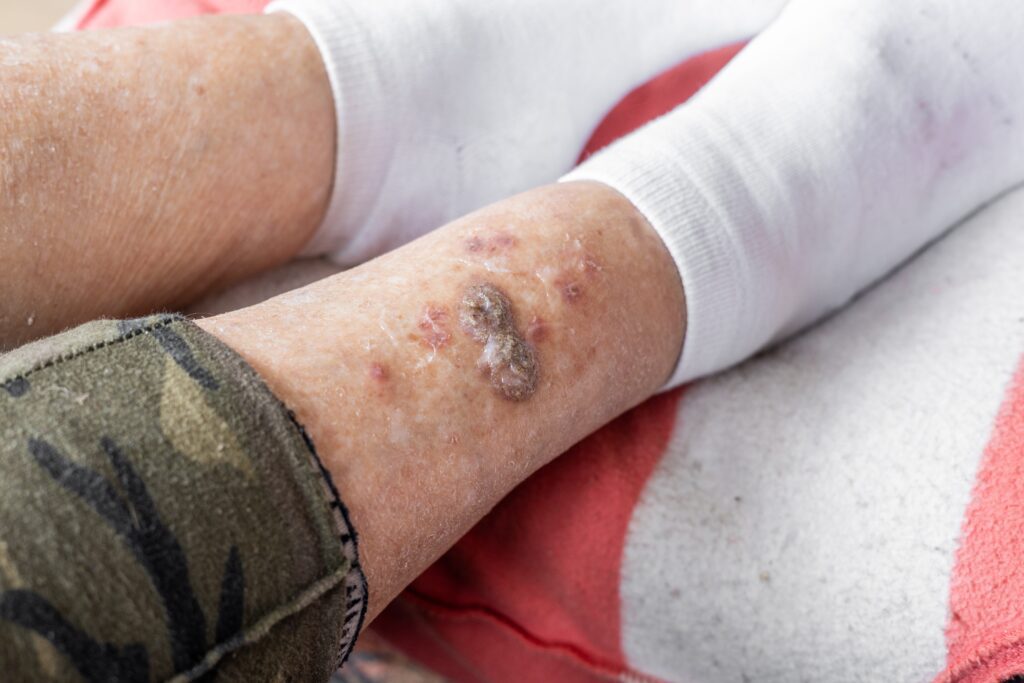
Common skin changes associated with vein disease include:
- Discoloration near the ankles
- Itchy or irritated skin
- Thickened or hardened skin
- Venous stasis dermatitis
These changes are often subtle at first but may become more noticeable as circulation issues progress.
Q: Why do these skin changes happen?
Dr. Shah:
When circulation is impaired, pressure inside the veins increases. This can cause fluid and inflammatory substances to leak into the surrounding tissues.
Over time, this process can damage the skin, leading to discoloration, irritation, and structural changes. Without treatment, these effects may continue to worsen.
Q: Can skin changes lead to more serious problems?
Dr. Shah:
Yes. If left untreated, chronic venous insufficiency can progress and lead to more advanced complications, including venous ulcers, slow-healing wounds that typically develop near the ankles.
Early evaluation and treatment can help reduce the risk of these complications and protect long-term skin health.
Q: When should someone seek medical care?
Dr. Shah:
You should consider having your veins evaluated if you notice:
- Persistent skin discoloration near the ankles
- Itching or irritation that does not improve
- Swelling in the lower legs
- Skin thickening or changes in texture
- Wounds that heal slowly or not at all
A vein specialist can assess your symptoms and determine whether an underlying circulation issue is contributing to these changes.
Preguntas frecuentes
Skin discoloration is often caused by increased pressure in the veins, which allows blood components to leak into surrounding tissue and darken the skin over time. in the veins, where blood pools in the lower legs instead of flowing efficiently back to the heart.
Yes. Varicose veins are often part of the same underlying circulation problem that can lead to skin changes, especially in more advanced stages of vein disease.
Venous stasis dermatitis is a skin condition caused by poor circulation in the veins. It can lead to redness, itching, dryness, and inflammation in the lower legs.
Yes. In advanced cases, chronic venous insufficiency can lead to venous ulcers, which are slow-healing wounds that require medical care.
Skin changes should be evaluated if they are persistent, worsening, or accompanied by swelling, discomfort, or visible vein issues.
What’s Next in the Ask the Doc Series
Skin changes can sometimes be one of the earliest visible signs of vein disease, even before bulging veins appear. The Ask the Doc series continues to explore how subtle symptoms may point to underlying circulation issues.
If you’re noticing changes in your skin or experiencing symptoms like swelling, itching, or discomfort, you don’t have to wait. Find a United Vein & Vascular Centers clinic near you and schedule an evaluation with one of our specialists.
Medically reviewed by Dr. Domenic Zambuto, National Medical Director at United Vein & Vascular Centers. Board-certified in vascular and interventional radiology, Dr. Zambuto has more than 20 years of experience treating vascular disease and helping patients manage complex vein and circulatory conditions.