
Contenido
- Q: Why do my legs feel heavy after standing?
- Q: Why does elevating my legs make the heaviness improve?
- Q: What condition is most commonly linked to heavy legs?
- Q: How do doctors diagnose the cause of heavy legs?
- Q: When should someone seek evaluation?
- Preguntas frecuentes
- What’s Next in the Ask the Doc Series
Welcome back to Ask the Doc, an educational series from United Vein & Vascular Centers designed to provide clear, physician-led answers to common questions about vein and vascular health. Each week, a UVVC physician explains everyday symptoms and what they may mean medically.
In this installment, Dr. Hedson Desir addresses a common symptom many patients notice during daily routines:
“Why do my legs feel heavy when I stand but better when I elevate them?”
Q: Why do my legs feel heavy after standing?
Dr. Desir:
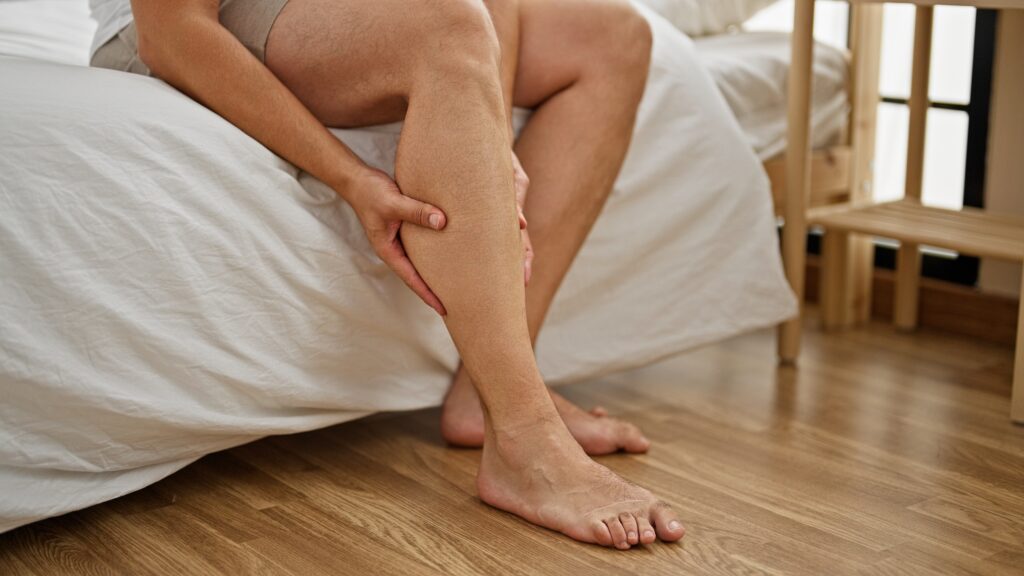
Leg heaviness often occurs when blood struggles to circulate properly through the veins of the legs. Normally, veins work to push blood upward toward the heart, but when circulation is not functioning efficiently, blood can begin to pool in the lower legs.
Standing increases pressure in the veins due to gravity, which can make this pooling more noticeable. As a result, you may experience sensations of heaviness, fatigue, or discomfort in the legs, especially after long periods of standing.
Q: Why does elevating my legs make the heaviness improve?
Dr. Desir:
Elevating the legs helps blood flow back toward the heart more easily by reducing the effects of gravity. This decreases pressure in the veins and allows circulation to improve.
Because of this, many people notice that elevating their legs provides temporary relief from heaviness, swelling, or aching. While this can help manage symptoms, it does not address the underlying cause if a vein condition is present.
Q: What condition is most commonly linked to heavy legs?
Dr. Desir:
One of the most common causes is chronic venous insufficiency (CVI). This occurs when the valves inside the veins stop working properly, allowing blood to flow backward and pool in the legs.
Over time, this can lead to increased pressure in the veins and symptoms such as heaviness, swelling, aching, and visible veins. CVI is a progressive condition, which means symptoms may worsen without treatment.
Q: How do doctors diagnose the cause of heavy legs?
Dr. Desir:
A duplex ultrasound is typically used to evaluate blood flow in the veins. This noninvasive imaging test allows specialists to assess how well the veins and valves are functioning and detect conditions such as venous reflux.
Ultrasound helps identify the underlying cause of symptoms and ensures that any treatment is targeted and appropriate.
Q: When should someone seek evaluation?
Dr. Desir:
You should consider having your veins evaluated if:
- Leg heaviness occurs frequently
- Symptoms worsen over time
- Heaviness begins to interfere with daily activities
Early evaluation can help determine whether a circulation issue is present and whether treatment may help improve symptoms and prevent progression.
Preguntas frecuentes
Leg heaviness is often caused by poor circulation in the veins, where blood pools in the lower legs instead of flowing efficiently back to the heart.
Yes. Elevating the legs helps blood return to the heart more easily, reducing pressure in the veins and temporarily relieving symptoms.
It can be. Persistent heaviness, especially when combined with swelling or visible veins, may indicate an underlying vein condition such as chronic venous insufficiency.
A duplex ultrasound is used to evaluate blood flow and check for valve dysfunction or venous reflux.
You should seek evaluation if symptoms are ongoing, worsening, or affecting your daily comfort or mobility.
What’s Next in the Ask the Doc Series
Leg heaviness that improves with elevation is often a sign of how circulation responds to pressure and gravity. The Ask the Doc series continues to explore how everyday symptoms may be connected to underlying vein health.
In our next installment, Dr. Kush Shah will address another important question: can vein disease cause skin changes before bulging veins appear? He’ll explain how changes in circulation can affect the skin, what early warning signs to look for, and when symptoms like discoloration or irritation may indicate a more serious underlying condition.
If you’re experiencing leg heaviness, skin changes, or other symptoms, you don’t have to wait, find a United Vein & Vascular Centers clinic near you and schedule an evaluation with one of our specialists.
Medically reviewed by Dr. Domenic Zambuto, National Medical Director at United Vein & Vascular Centers. Board-certified in vascular and interventional radiology, Dr. Zambuto has more than 20 years of experience treating vascular disease and helping patients manage complex vein and circulatory conditions.