

Contenido
- Q: What is ultrasound-guided sclerotherapy?
- Q: How can ultrasound-guided sclerotherapy help when visible veins are related to deeper vein problems?
- Q: Can veins return after treatment?
- Is Ultrasound-Guided Sclerotherapy Right for You?
- Q: What factors may increase the likelihood of recurrence?
- Q: How can patients maintain long-term results?
- Preguntas frecuentes
- What’s Next in the Ask the Doc Series
Welcome back to Ask the Doc, an educational series from United Vein & Vascular Centers designed to provide clear, physician-led answers to common questions about vein and vascular health. Each week, a UVVC physician explains everyday symptoms and what they may mean medically.
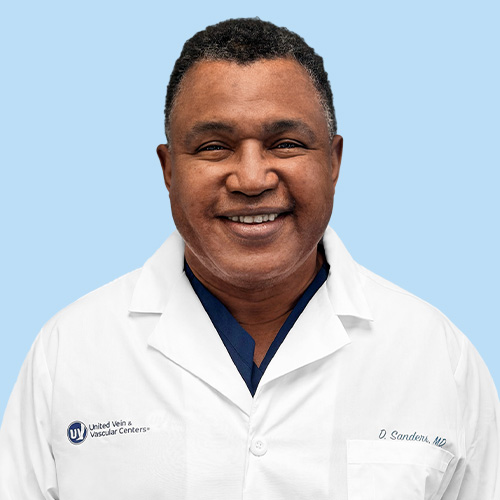
In this installment, Dr. Douglas Sanders answers a question many patients have when considering treatment for visible veins:
“Can visible veins return after ultrasound-guided sclerotherapy?”
Q: What is ultrasound-guided sclerotherapy?
Dr. Sanders:
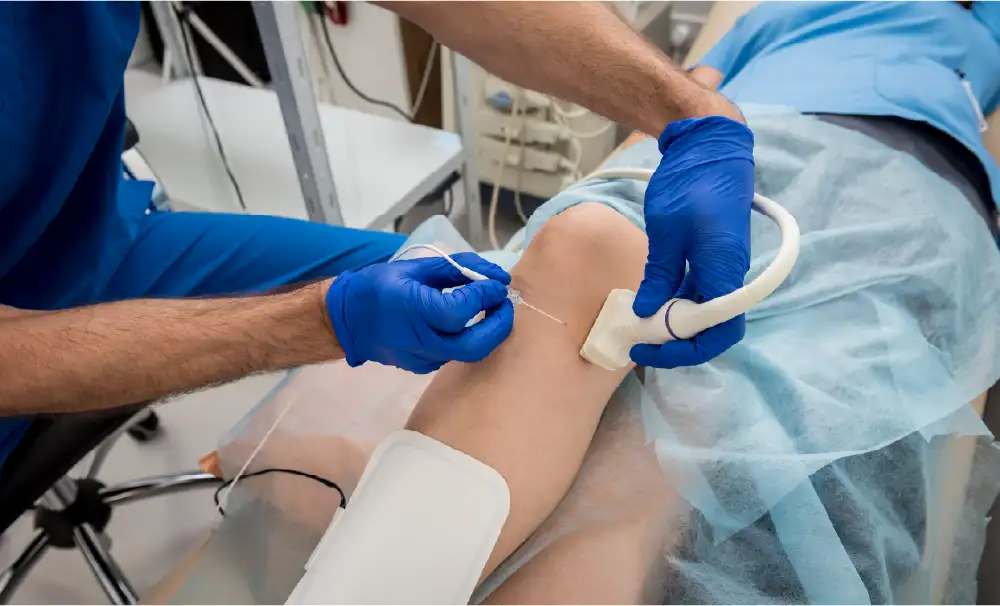
Ultrasound-guided sclerotherapy is a minimally invasive vein treatment used to address problematic veins beneath the surface of the skin, including deeper varicose veins that may not be visible to the naked eye.
The procedure combines ultrasound imaging with targeted injections to locate affected veins in real time and guide a medical solution directly into the targeted vein. This causes the vein to collapse and close, allowing blood to reroute through healthier veins.
Q: How can ultrasound-guided sclerotherapy help when visible veins are related to deeper vein problems?
Dr. Sanders:
Many visible veins develop because of increased pressure from underlying vein dysfunction. Ultrasound-guided sclerotherapy is used to treat problematic veins beneath the surface of the skin, including deeper varicose veins that may be contributing to symptoms or visible vein changes. By closing targeted damaged veins, treatment helps redirect blood flow to healthier veins and may reduce pressure in the vein system.
If surface-level visible veins remain after deeper vein issues are addressed, additional treatment may be recommended based on the patient’s ultrasound findings, symptoms, and overall vein health.
Q: Can veins return after treatment?
Dr. Sanders:
The treated vein itself is not expected to reopen in most cases. However, vein disease is a chronic condition, which means new veins can develop over time.
When patients notice visible veins returning after treatment, it is often because new veins have formed or previously healthy veins have become affected by underlying venous insufficiency. This does not necessarily mean the original treatment failed.
Regular follow-up evaluations can help identify new vein issues early and determine whether additional treatment may be beneficial.
Is Ultrasound-Guided Sclerotherapy Right for You?
Request a vein screening with our board-certified vein specialists today and find out.
Q: What factors may increase the likelihood of recurrence?
Dr. Sanders:
Several factors can contribute to the development of new visible veins after treatment, including:
- Antecedentes familiares de enfermedades venosas
- Envejecimiento
- Embarazo
- Permanencia prolongada de pie o sentado
- Weight gain or obesity
- Underlying chronic venous insufficiency
While these factors cannot always be eliminated, managing vein health proactively may help reduce the likelihood of future vein problems.
Q: How can patients maintain long-term results?
Dr. Sanders:
Maintaining long-term vein health often involves a combination of ongoing monitoring and healthy lifestyle habits. Staying physically active, maintaining a healthy weight, avoiding prolonged periods of sitting or standing, and following your provider’s recommendations can all support circulation.
For some patients, periodic follow-up visits may also help identify new vein concerns before symptoms become more significant.
Preguntas frecuentes
The treated vein is intended to close permanently. However, because vein disease is chronic, new veins may develop over time.
Yes. Even after successful treatment, new visible veins can develop due to genetics, aging, lifestyle factors, or ongoing vein disease.
The number of treatments varies depending on the extent of vein disease, the size of the veins being treated, and individual treatment goals.
Most patients tolerate the procedure well. Some may experience mild discomfort during the injection process, but treatment is generally well tolerated.
Patients with symptomatic vein disease, problematic veins beneath the surface of the skin, or ultrasound-confirmed venous insufficiency may be candidates. A vein specialist can determine whether treatment is appropriate after an evaluation.
What’s Next in the Ask the Doc Series
Visible veins may improve with treatment, but maintaining long-term vein health often requires understanding the underlying causes of vein disease. The Ask the Doc series continues to explore common questions about vein conditions, symptoms, and treatment options.
In our next installment, Dr. Michelle Mon will answer another frequently asked question: can varicose veins cause leg cramps? She’ll explain the connection between vein disease and cramping, why symptoms often worsen at night, and when recurring leg cramps may be a sign of an underlying circulation problem.
If you’re noticing visible veins or symptoms that may be related to underlying vein disease, schedule a screening with United Vein & Vascular Centers to learn whether ultrasound-guided sclerotherapy or another treatment option may be right for you.
Medically reviewed by Dr. Domenic Zambuto, National Medical Director at United Vein & Vascular Centers. Board-certified in vascular and interventional radiology, Dr. Zambuto has more than 20 years of experience treating vascular disease and helping patients manage complex vein and circulatory conditions.