


Contents
- Q: What is the difference between pitting and non-pitting edema?
- Q: How is pitting edema graded?
- Q: What causes pitting edema in the lower legs?
- Q: Is edema normal during pregnancy?
- Q: What can help with edema reduction in the lower legs?
- Q: Can compression socks help pitting edema?
- Q: How does UVVC evaluate and treat edema?
- Frequently Asked Questions
- Learn What May Be Causing Your Lower-Leg Swelling
Welcome back to Ask the Doc, an educational series from United Vein & Vascular Centers designed to provide clear, physician-led answers to common questions about vein and vascular health. Each week, a UVVC physician explains everyday symptoms and what they may mean medically.
In this blog, Dr. Patricia Fletcher, United Vein & Vascular Centers Board-Certified Vascular Surgeon, discusses pitting edema, the causes, how it’s graded, why it occurs, treatment options, and when to seek help.
Patients sometimes come to UVVC with swelling in the feet, ankles, or lower legs. Medically known as edema, this swelling develops when excess fluid collects in the body’s tissues. Edema may be described as pitting or non-pitting based on how the swollen tissue responds when pressure is applied.
Even these details do not create a diagnosis on their own. The symptom pattern, medical history, physical findings, and any appropriate diagnostic testing must be considered together.
Q: What is the difference between pitting and non-pitting edema?
Dr. Fletcher:
Edema occurs when excess fluid collects within the body’s tissues. Pitting and non-pitting edema describe how the swollen tissue responds when pressure is applied.
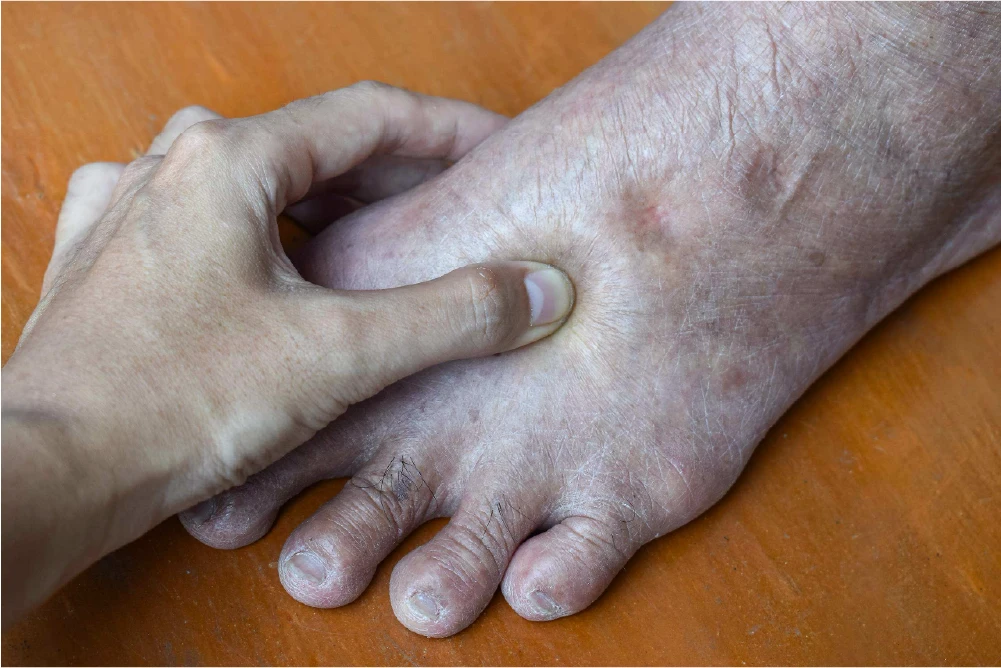
With pitting edema, pressing a finger firmly into the swollen area for several seconds leaves a visible indentation. The fluid within the tissue has been temporarily displaced, and the skin may take several seconds or longer to return to its usual shape.
Non-pitting edema does not leave the same type of indentation. The swollen area may feel firm, tight, or thickened, but the skin returns to its original position without retaining a visible dent.
Non-pitting swelling is often associated with conditions such as lymphedema, lipedema, or certain thyroid-related disorders. However, the distinction is not always absolute. Lymphedema may pit during its earlier stages and become firmer as tissue changes develop over time.
The pitting test can help describe the swelling, but it cannot determine the cause by itself. We also consider:
- Whether the swelling affects one leg or both
- Whether it develops gradually or appears suddenly
- Where the swelling is most noticeable
- Whether it improves overnight or with leg elevation
- Whether it worsens after sitting or standing
- Whether pain, heaviness, warmth, redness, or skin discoloration is present
- Whether the patient has visible varicose veins
- Whether there have been recent medication changes, injuries, procedures, travel, or periods of inactivity
These details help distinguish a temporary change from swelling that may require further evaluation.
Q: How is pitting edema graded?
Dr. Fletcher:
Clinicians commonly grade pitting edema on a scale from 1+ to 4+. The grade is based on the approximate depth of the indentation and how long the tissue takes to return to its usual shape.
| Grade | Approximate Depth | Typical Description |
| 1+ | About 2 millimeters | A slight indentation that resolves quickly |
| 2+ | About 4 millimeters | A deeper indentation with a short delay before the tissue rebounds |
| 3+ | About 6 millimeters | A noticeable indentation that remains for a longer period |
| 4+ | About 8 millimeters | A deep indentation with a prolonged return to the tissue’s usual shape |
Grading conventions may vary slightly between clinicians and healthcare facilities. The scale is also partly subjective because it depends on how much pressure is applied, where the leg is examined, and how the clinician interprets the tissue’s response.
A higher grade means the indentation is deeper and remains longer. It does not automatically indicate a specific diagnosis or tell us how serious the cause may be.
The scale is most useful when it is documented alongside other findings. For example, a clinician may compare whether the swelling is changing over time, responding to treatment, or becoming more persistent. The grade should be considered within the context of the patient’s symptoms, medical history, physical examination, and any appropriate diagnostic testing.
Q: What causes pitting edema in the lower legs?
Dr. Fletcher:
Pitting edema develops when fluid moves into the tissues faster than the body can return it to circulation or remove it. This may happen because pressure has increased inside the blood vessels, the body is retaining more fluid, or the veins or lymphatic system are not moving fluid efficiently.
One possible cause is chronic venous insufficiency, or CVI. Veins contain valves that help keep blood moving upward from the legs toward the heart. When those valves weaken or become damaged, blood can flow backward and pool in the lower legs. The resulting pressure may push fluid into the surrounding tissue and contribute to swelling around the feet, ankles, or calves.
Swelling related to venous insufficiency may become more noticeable later in the day or after prolonged sitting or standing. It may improve with walking, leg elevation, or overnight rest and occur alongside aching, heaviness, fatigue, throbbing, or visible varicose veins. Some patients may also notice itching, dryness, or skin discoloration near the ankles.
Pitting edema may also have causes unrelated to vein disease. These can include:
- Pregnancy
- Prolonged sitting or standing
- Limited mobility
- Injury, inflammation, or infection
- Medication side effects
- Heart conditions
- Kidney disease
- Liver disease
- Lymphatic dysfunction
- Deep vein thrombosis, commonly called DVT
The pattern of swelling can provide clues, but symptoms alone cannot identify the cause. For example, swelling related to CVI may resemble swelling caused by a medication or another medical condition. A sudden change in one leg may require a different type of evaluation than gradual swelling in both ankles.
Persistent or unexplained pitting edema should not be self-diagnosed. Determining the cause may require a review of the patient’s health history and medications, a physical examination, laboratory testing, or diagnostic imaging.
Q: Is edema normal during pregnancy?
Dr. Fletcher:
Gradual swelling in both feet and ankles is common during pregnancy, particularly during the third trimester. Blood volume increases during pregnancy, hormonal changes can contribute to fluid retention, and the growing uterus may place additional pressure on the veins that return blood from the lower body.
Pregnancy-related swelling may become more noticeable later in the day, during hot weather, after prolonged sitting or standing, and as the pregnancy progresses. Gentle walking, changing positions regularly, resting with the legs elevated, and wearing compression stockings approved by a provider may help some patients manage the swelling.
However, swelling during pregnancy should not automatically be dismissed as normal. Sudden or severe swelling, swelling that mainly affects one leg, or swelling accompanied by calf pain, warmth, redness, or discoloration should be evaluated promptly because these symptoms may be associated with a blood clot.
Q: What can help with edema reduction in the lower legs?
Dr. Fletcher:
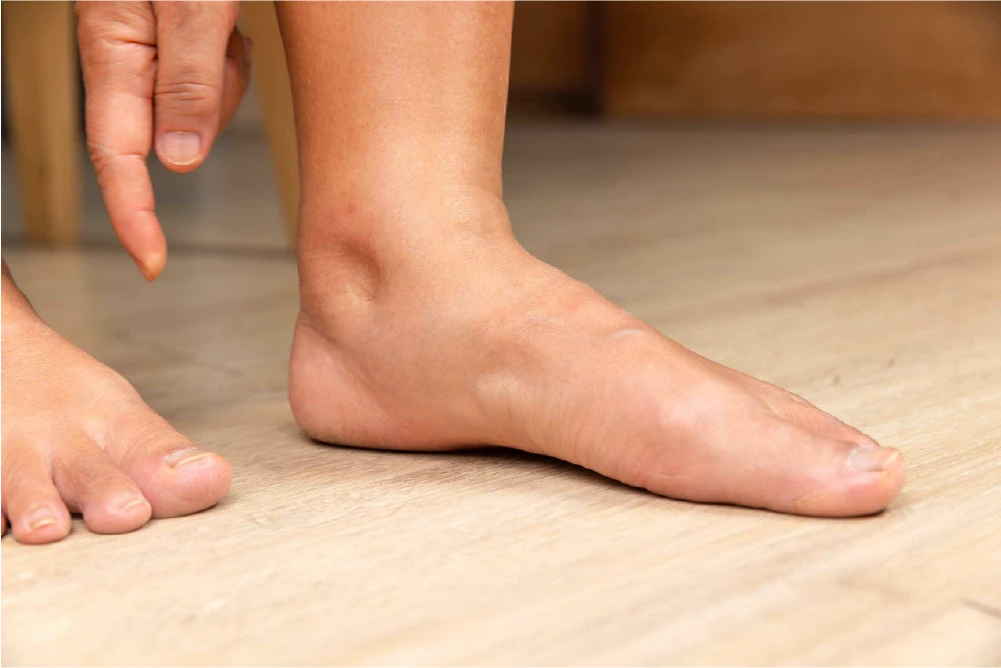
There is no single safe method for “draining” edema because treatment must address the reason fluid is accumulating. A strategy that helps swelling caused by prolonged standing may not be appropriate for edema related to a heart, kidney, liver, lymphatic, or vascular condition.
Once an urgent cause has been ruled out, a healthcare provider may recommend measures such as:
- Elevating the legs while resting
- Taking short walks throughout the day
- Performing gentle ankle pumps
- Avoiding long periods of sitting or standing
- Following individualized guidance about sodium intake
- Wearing properly fitted compression garments
- Protecting and moisturizing the skin
- Managing an underlying medical condition
- Reviewing medications that may contribute to fluid retention
Patients may also find it helpful to track when the swelling appears and what seems to affect it. Notes about whether swelling improves overnight, worsens throughout the day, affects one or both legs, or occurs with pain or skin changes can provide useful information during an evaluation.
Diuretics, sometimes called water pills, may be prescribed for certain causes of edema. They are not appropriate for every type of swelling and should not be started, stopped, or adjusted without guidance from the prescribing healthcare provider.
Forceful massage should also be avoided when a blood clot, infection, injury, or another acute condition has not been ruled out. Manual lymphatic drainage may be part of a structured lymphedema treatment plan, but it should be performed or taught by a qualified professional after the cause of the swelling has been evaluated.
Q: Can compression socks help pitting edema?
Dr. Fletcher:
Compression socks may help when pitting edema is associated with venous insufficiency or another condition for which compression is medically appropriate.
Graduated compression applies the greatest pressure near the ankle and gradually decreases higher on the leg. This pressure supports the movement of blood back toward the heart and may help reduce the amount of fluid collecting in the lower-leg tissues. Compression socks may help manage ankle or lower-leg swelling, aching, throbbing, heaviness, and leg fatigue, particularly when these symptoms worsen during long periods of sitting or standing.
Compression may also be used as part of lymphedema management, although the recommended type, pressure, and fit may differ from what is used for venous swelling.
Compression is not right for every patient. People with arterial circulation problems, certain heart conditions, significant skin changes, or undiagnosed one-sided swelling should speak with a healthcare provider before using medical-grade compression.
Proper sizing is important. Compression socks should feel supportive, but they should not roll, bunch, dig into the skin, or cause numbness, worsening pain, or changes in the color or temperature of the feet. These changes may indicate that the garment does not fit properly or that compression is not appropriate.
Compression can help manage certain symptoms, but it does not repair damaged vein valves or eliminate venous reflux. If swelling continues despite regular compression use, further evaluation may be needed.
Q: How does UVVC evaluate and treat edema?
Dr. Fletcher:
The first step is determining whether a vein or vascular condition may be contributing to the swelling. Not every patient with pitting edema has vein disease, and treatment should not be recommended until the likely cause has been evaluated.
During a vein screening, the care team may review:
- When the swelling began
- Whether one or both legs are affected
- Whether the swelling changes throughout the day
- Whether elevation or walking provides relief
- Areas of aching, heaviness, throbbing, or tenderness
- Visible varicose veins
- Skin discoloration or texture changes
- Relevant medical and family history
- Current medications
- Previous blood clots or vein procedures
- How the swelling affects mobility and daily activities
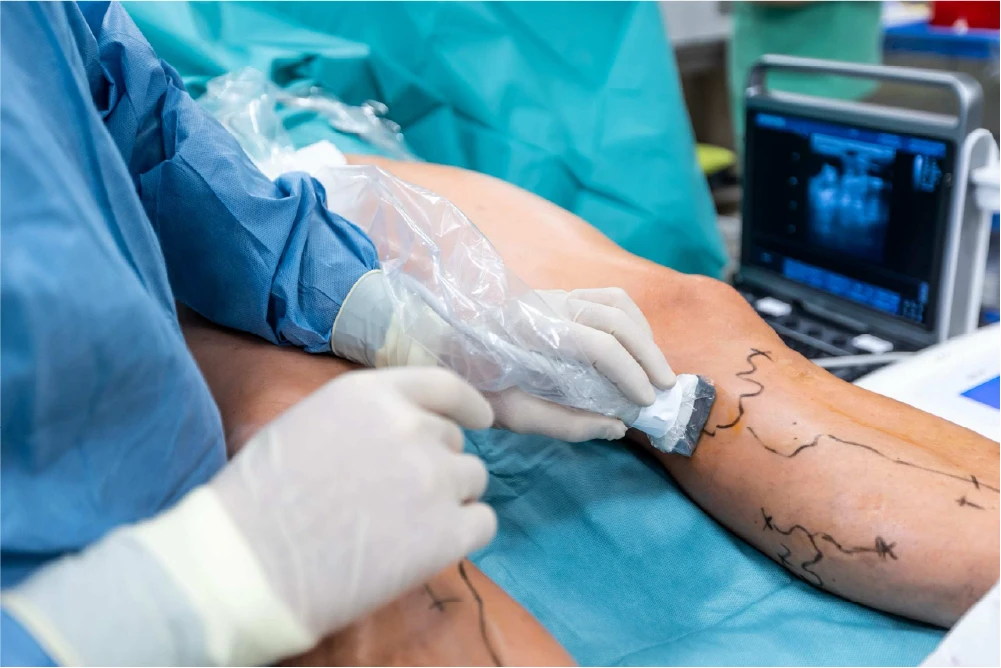
If additional evaluation is appropriate, a diagnostic duplex ultrasound may be recommended. This noninvasive test uses sound waves to assess the direction of blood flow, the function of the vein valves, the anatomy of the veins, and whether venous reflux or an obstruction may be present.
When chronic venous insufficiency is contributing to edema, the care plan depends on the patient’s symptoms, medical history, affected veins, and ultrasound findings. Recommendations may include movement, leg elevation, compression, adjustments to daily routines, or a minimally invasive vein procedure.
| Treatment | How It Works | Treatment Approach |
| Radiofrequency ablation | Delivers controlled heat to close an affected vein. | Blood reroutes naturally through healthier veins nearby. |
| VenaSeal™ | Uses a medical adhesive to seal an affected vein without heat. | The sealed vein is gradually absorbed by the body as blood shifts to healthier pathways. |
| Varithena® | Uses an injectable microfoam to close certain affected veins. | The treatment is delivered through a small needle without surgical incisions. |
| Ultrasound-guided sclerotherapy | Uses ultrasound imaging to guide an injectable solution into an affected vein. | The treated vein closes, allowing blood to reroute through healthier veins. |
Not every patient who completes a screening will require diagnostic testing or treatment. If the evaluation suggests that the swelling may be related to a heart, kidney, liver, medication-related, lymphatic, or another medical concern, the appropriate next step may involve a different healthcare provider.
Frequently Asked Questions
Dehydration is not a common direct cause of pitting edema. Lower-leg swelling is more often associated with fluid retention, circulation problems, medications, pregnancy, or another medical condition. Patients should not assume that drinking more or less fluid will correct unexplained swelling without first discussing the symptom with a healthcare provider.
No. Mild pitting edema may develop after prolonged sitting or standing or during pregnancy. However, swelling that is persistent, worsening, sudden, unexplained, or accompanied by other symptoms should be evaluated.
Pressure temporarily moves fluid away from the area being pressed. The indentation remains until the fluid gradually returns and the tissue resumes its usual shape.
Yes. One-sided pitting edema may be associated with venous insufficiency, an injury, infection, lymphatic dysfunction, or DVT. Sudden swelling with pain, warmth, redness, tenderness, or discoloration requires prompt medical evaluation.
Temporary swelling may improve with movement, elevation, or time. Edema caused by an underlying medical or circulation problem may continue or return until the condition contributing to it is managed.
Learn What May Be Causing Your Lower-Leg Swelling
Pitting edema describes how swollen tissue responds to pressure, but it does not reveal why the fluid is accumulating. Swelling may be temporary, related to another medical condition, or associated with chronic venous insufficiency and impaired blood flow in the leg veins.
Recurring ankle or lower-leg swelling, particularly when accompanied by aching, heaviness, fatigue, visible varicose veins, or skin discoloration, may warrant a vein screening. At United Vein & Vascular Centers, our care team considers each patient’s symptoms, medical history, physical findings, and any appropriate diagnostic results before recommending the next step.
Request a vein screening to learn whether vein disease may be contributing to your swelling and whether further evaluation is appropriate.
Medically reviewed by Dr. Domenic Zambuto, National Medical Director at United Vein & Vascular Centers. Board-certified in vascular and interventional radiology, Dr. Zambuto has more than 20 years of experience treating vascular disease and helping patients manage complex vein and circulatory conditions.