Poor blood circulation in your legs is more than just a minor inconvenience. It can lead to discomfort, pain, and long-term complications if left unaddressed. Many people experience symptoms like swelling, heaviness, itching, tingling, skin discoloration, or even loss of sensation in the lower limbs.
While these symptoms can sometimes be subtle, they are your body’s warning signs that your circulatory system may not be functioning as efficiently as it should. Improving circulation in your legs can reduce discomfort, prevent more serious vascular issues, and help you maintain an active lifestyle.
Why Leg Circulation Matters
Your legs rely on a network of arteries, veins, and capillaries to transport blood effectively. Arteries carry oxygen-rich blood from the heart to your muscles and tissues, while veins return oxygen-depleted blood back to your heart.
When blood flow in your legs is reduced, the body cannot deliver enough oxygen and nutrients to your tissues.
Poor circulation is not just uncomfortable. If left untreated, it can contribute to more serious conditions such as chronic venous insufficiency (CVI), peripheral artery disease (PAD), or deep vein thrombosis (DVT). Recognizing the signs early and taking steps to improve circulation can protect your leg health and overall well-being.
How You Can Improve Blood Circulation in Your Legs
Improving leg circulation often requires a combination of lifestyle changes, medical guidance, and, in some cases, minimally invasive procedures. Here are some practical strategies:
1. Maintain a Heart-Healthy, Cholesterol-Conscious Diet
Your diet plays a major role in how blood flows through your veins and arteries. Eating foods high in saturated fats and cholesterol can lead to plaque buildup in your blood vessels, restricting blood flow and increasing the risk of PAD.
Tips for a circulation-friendly diet include:
- Choose lean proteins like chicken, turkey, and fish
- Include plenty of fresh vegetables and fruits rich in antioxidants
- Eat whole grains instead of refined grains
- Limit processed foods, excess sugar, and trans fats
- Incorporate healthy fats such as olive oil, avocado, and nuts
By focusing on a heart-healthy diet, you can reduce plaque formation, lower cholesterol levels, and improve overall vascular health.
2. Stay Active and Incorporate Regular Exercise
Exercise is one of the most effective ways to improve blood circulation in your legs. Movement encourages your muscles to contract and push blood back toward the heart, reducing the likelihood of pooling and venous pressure.
Some recommended exercises for leg circulation include:
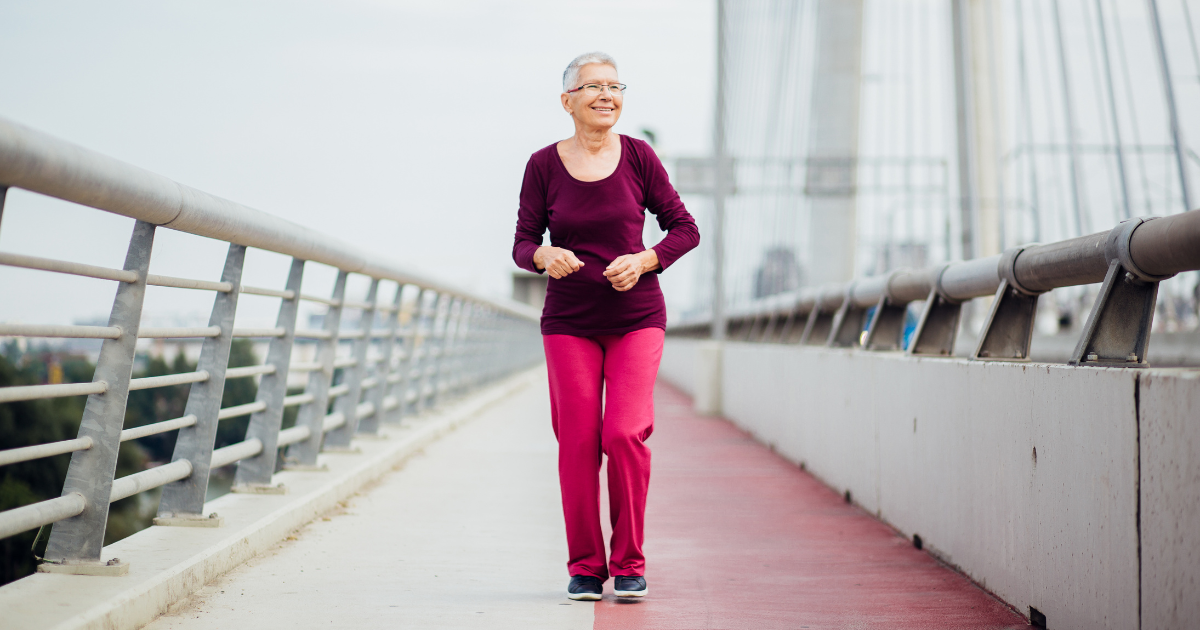
- Walking or light jogging
- Cycling or stationary biking
- Swimming or water aerobics
- Leg stretches and calf raises
- Yoga or Pilates
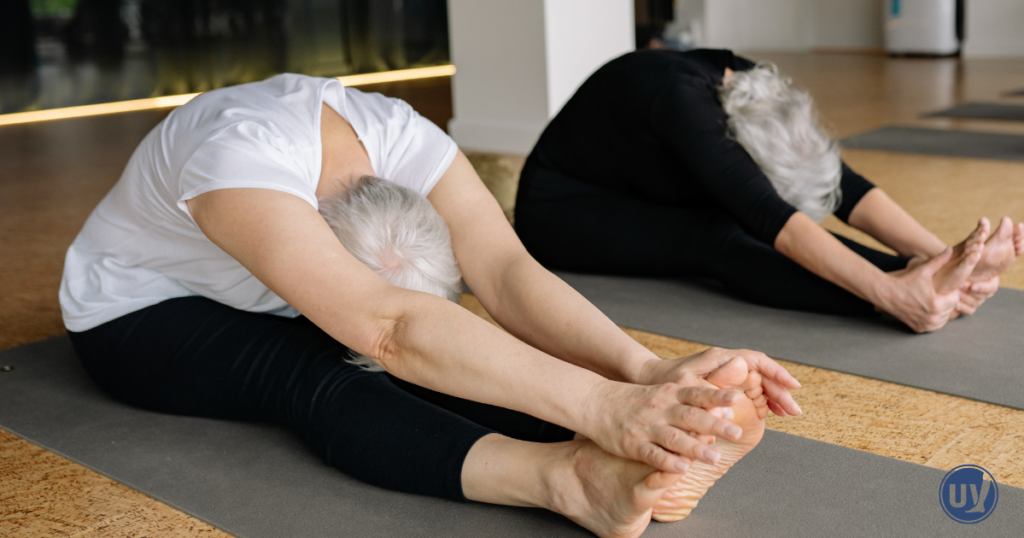
Even short walks after meals or simple daily stretching routines can significantly boost circulation. For patients with existing vein conditions, our specialists can provide safe exercise recommendations tailored to your needs.
3. Consult a Vein and Vascular Specialist
While lifestyle adjustments help, some patients require medical intervention to restore proper blood flow. Consulting a vein and vascular specialist allows for a comprehensive evaluation of your circulation.
Our experts can diagnose underlying conditions such as CVI, PAD, or DVT using advanced imaging techniques. Once the problem is identified, treatment options may include:
- Minimally invasive vein procedures
- Angioplasty or stenting for narrowed or blocked arteries
- Medication management, including prescription blood thinners or anti-inflammatory drugs
Working with a specialist ensures that your circulation improves safely and effectively, preventing long-term complications.
4. Use Compression Therapy
Compression stockings or socks help support veins and improve venous return from your legs to your heart. They are particularly useful for patients with swelling, varicose veins, or a history of DVT.
Benefits of compression therapy include:
- Reducing swelling and heaviness
- Relieving discomfort or leg pain
- Preventing blood pooling in lower limbs
- Enhancing the effectiveness of other treatments
Your vein specialist can recommend the appropriate compression level and type based on your condition.
5. Stay Hydrated and Maintain Healthy Weight
Hydration helps keep your blood less viscous, allowing it to flow more easily through your veins and arteries. Dehydration can thicken the blood, making circulation more difficult and increasing the risk of cramps.
Maintaining a healthy weight also reduces pressure on the veins in your legs. Excess weight can worsen symptoms of CVI or PAD and contribute to long-term vascular damage.
When to Seek Professional Help
If you experience persistent leg swelling, cramping, numbness, or visible vein changes, it is important to consult a vascular specialist promptly. Symptoms that worsen over time or occur in one leg more than the other may indicate an underlying vein or arterial condition.
Early diagnosis allows for targeted, minimally invasive treatments that can dramatically improve blood flow and prevent serious complications.
Frequently Asked Questions
Poor leg circulation may cause swelling, heaviness, tingling, skin discoloration, muscle cramps, or visible varicose veins. If these symptoms persist or worsen, a vascular specialist can perform imaging tests to confirm circulation problems.
Yes. In some cases, your physician may prescribe medications such as blood thinners, anti-inflammatory drugs, or other vascular medications to promote healthy circulation. These are usually combined with lifestyle changes or minimally invasive procedures.
Yes. Untreated poor circulation can progress to chronic venous insufficiency, peripheral artery disease, or even deep vein thrombosis. Timely evaluation and treatment reduce the risk of long-term damage and improve your quality of life.
Take the Next Step Toward Healthier Legs
You do not have to live with the discomfort, swelling, or heaviness caused by poor leg circulation. At United Vein & Vascular Centers, our board-certified specialists provide compassionate care, advanced diagnostics, and minimally invasive treatment options tailored to your needs.
By combining lifestyle strategies, medical guidance, and state-of-the-art procedures, we help patients regain healthy blood flow and improve their overall quality of life.
Find a UVVC clinic near you today and take the first step toward stronger, healthier legs.