
Contents
- How Stress Affects Circulation
- Why Holiday Routines Make Circulation Symptoms Worse
- Common Circulation Symptoms Linked to Holiday Stress
- How to Support Healthy Circulation During Holiday Stress
- When Symptoms May Signal Something More Serious
- Frequently Asked Questions
- When to Seek Care and How UVVC Can Help
Between travel, last-minute shopping, full calendars, and financial or family pressures, the holiday season can be as stressful as it is joyful. While most people understand the emotional toll of stress, fewer realize how deeply it can affect the body, especially circulation.
Stress triggers physical responses that increase blood pressure, constrict blood vessels, and disrupt healthy blood flow. For individuals who already deal with poor circulation, venous insufficiency, leg swelling, or vascular symptoms, holiday stress can make discomfort much more noticeable.
Understanding why stress affects circulation, and what you can do to manage it, can help you stay healthier and more comfortable throughout the holiday season.
How Stress Affects Circulation
When you experience stress, your body releases hormones such as cortisol and adrenaline. These hormones are part of the “fight-or-flight” response, which prepares your body to react to perceived threats.
However, this response also triggers physical changes that directly impact circulation:
Blood vessels constrict under stress
Stress hormones cause your blood vessels to tighten. This vasoconstriction reduces blood flow, especially to the legs and feet, and can worsen symptoms like swelling, heaviness, or numbness for individuals with existing vein conditions.
Blood pressure rises
As your heart rate increases, your blood pressure naturally climbs. Repeated spikes can strain your vascular system and contribute to poor circulation over time.
Stress affects breathing and oxygen delivery
During periods of anxiety, breathing often becomes shallow. This decreases oxygen levels in your blood and reduces how efficiently your tissues receive nourishment.
Muscle tension restricts blood flow
When stressed, muscles tend to tighten, especially in the legs, shoulders, and back. Prolonged muscle tension can compress blood vessels and make circulation feel sluggish.
Stress leads to reduced physical activity
Busy schedules and emotional fatigue often mean less movement. Sitting for long periods slows circulation significantly, especially in the lower body.
These effects become more pronounced in winter, when cold temperatures already constrict blood vessels and people tend to move less.
Why Holiday Routines Make Circulation Symptoms Worse
The holidays blend emotional stress with physical behaviors that can strain your vascular system. Even if stress is temporary, its effects on circulation can linger.
Here are some common seasonal triggers:
Busy schedules with little downtime
When your days are packed with events and obligations, rest and movement become afterthoughts. Less movement leads to slower circulation.
Long travel times
Flights, train rides, and long car trips mean extended sitting. This encourages blood pooling in the legs, increasing swelling and heaviness.
Changes in eating habits
Holiday foods tend to be high in sodium and sugar, which can contribute to swelling and water retention.
Cold temperatures
Cold weather naturally tightens blood vessels. Combined with stress, this creates a perfect storm for circulation difficulties.
Irregular sleep
Stress disrupts sleep, and poor sleep increases inflammation, another factor that can compromise circulation.
Common Circulation Symptoms Linked to Holiday Stress
Many people begin noticing changes in their legs and overall comfort during stressful periods. Holiday stress may lead to symptoms such as:
- Heaviness or tightness in the legs
- Tingling, numbness, or cold feet
- Increased leg fatigue after standing
- Swelling in the ankles or calves
- Visible veins becoming more pronounced
- Cramping during light activity
- A feeling of restlessness in the legs
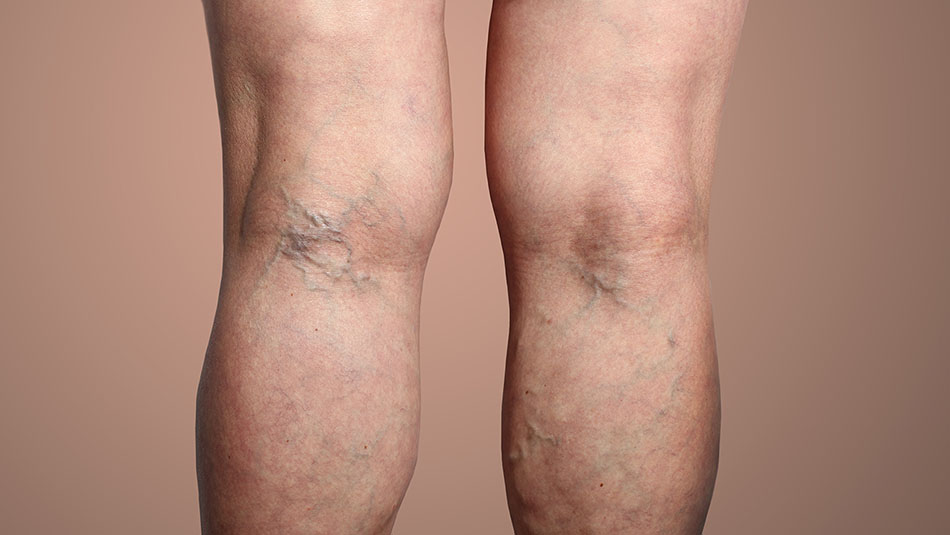
If these symptoms appear suddenly or worsen during the holidays, stress may play a role, but underlying vein disease could also be contributing.
How to Support Healthy Circulation During Holiday Stress
You may not be able to control everything happening around you during the holiday season, but you can take steps to protect your circulation and reduce stress-related symptoms.
1. Take movement breaks throughout the day
A few minutes of walking or stretching every hour encourages blood flow and reduces the strain of prolonged sitting.
2. Practice deep breathing
Deep breathing increases oxygen delivery and helps relax blood vessels. Even 2–3 minutes of slow, intentional breathing can make a difference.
3. Stay hydrated
Dehydration thickens the blood slightly, which slows circulation. Keep water nearby during travel and holiday gatherings.
4. Warm your legs and feet
Cold exacerbates poor circulation. Warm socks, blankets, or light movement help promote blood flow.
5. Wear compression stockings if recommended
Compression helps counteract swelling and supports better venous return.
6. Incorporate circulation-friendly foods
Berries, citrus, leafy greens, nuts, and omega-3 rich fish support healthier blood flow.
7. Protect your sleep routine
Sleep regulates stress hormones. Aim for consistent sleep even during busy weeks.
When Symptoms May Signal Something More Serious
While stress contributes to circulation problems, persistent or worsening symptoms may be a sign of an underlying vascular condition such as chronic venous insufficiency, venous reflux, or Peripheral Artery Disease (PAD).
Contact a specialist if you notice:
- Leg swelling that doesn’t improve
- Pain or heaviness at the end of the day
- New or worsening visible veins
- Skin discoloration around the ankles
- Burning, cramping, or throbbing sensations
- Slow-healing cuts or sores
Early evaluation helps determine whether poor circulation is due to stress alone or requires medical treatment.
Frequently Asked Questions
Yes. Stress hormones constrict blood vessels and increase blood pressure, which can worsen symptoms of poor circulation.
A mix of stress, less movement, long travel days, and colder weather can make circulation symptoms more noticeable.
Absolutely. Relaxation, activity, and hydration all support a healthier vascular system.
Yes. Anxiety triggers vasoconstriction, which reduces blood flow to the extremities.
When to Seek Care and How UVVC Can Help
If you’re noticing leg swelling, heaviness, visible veins, or circulation symptoms that worsen during the holidays — or persist even after stress subsides — it may be time to schedule a professional evaluation. Holiday routines can temporarily affect blood flow, but ongoing discomfort may indicate an underlying vascular condition that deserves attention.
At United Vein & Vascular Centers, we offer comprehensive evaluations and personalized treatment plans designed to restore healthy circulation and improve your long-term comfort. Our specialists use advanced diagnostic imaging and minimally invasive procedures to address the root causes of poor circulation, helping you feel better through every season.
Find a clinic near you and schedule your consultation today.