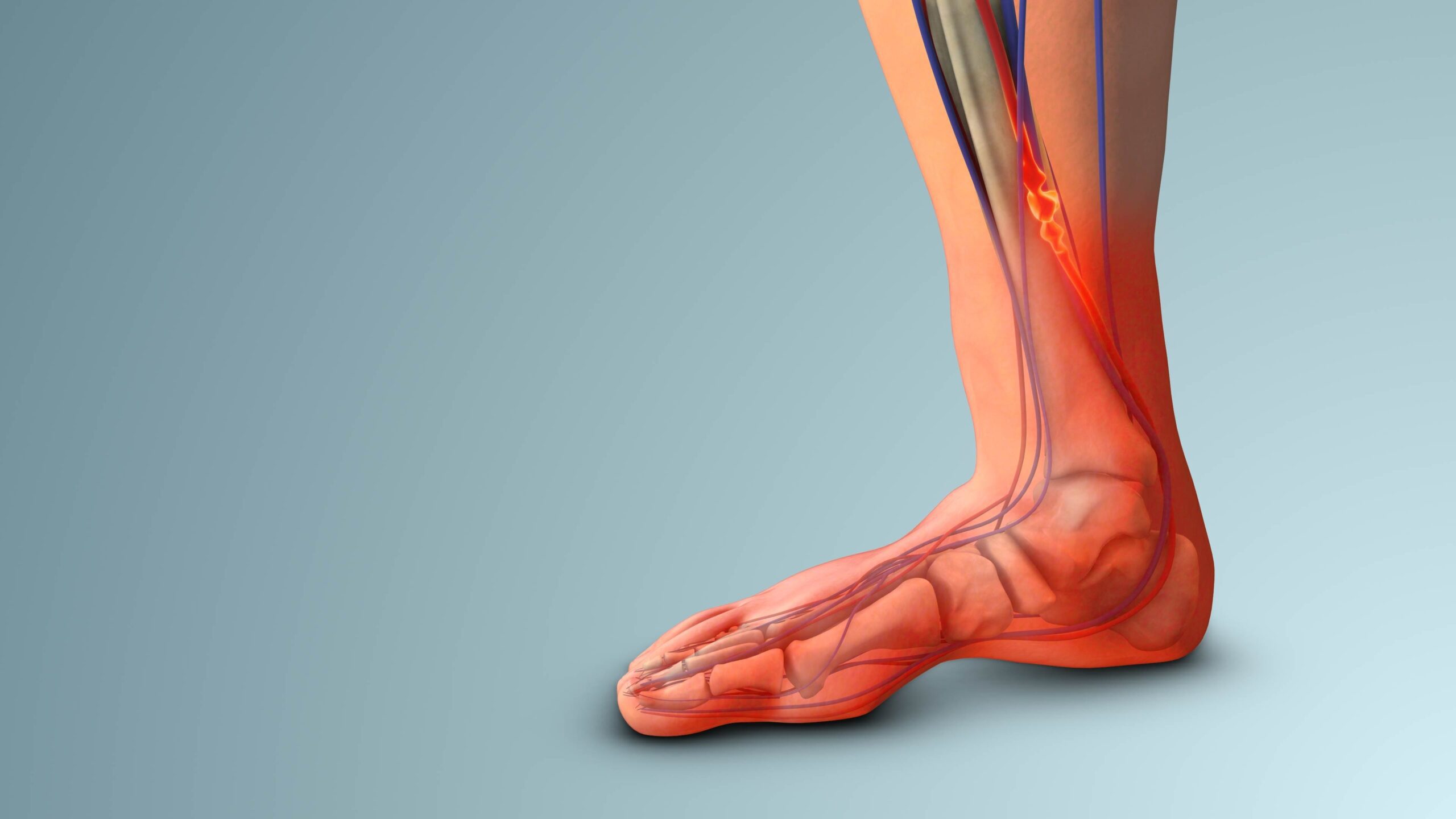
Deep vein thrombosis (DVT) occurs when a blood clot forms in a deep vein, most often in the legs. Because a clot can sometimes break loose and travel to the lungs, DVT requires prompt medical attention. Left untreated, it can lead to serious and potentially life-threatening complications.
Recognizing the early warning signs of DVT and understanding when symptoms warrant evaluation can make a critical difference. Leg pain, swelling, warmth, or changes in skin color are often subtle at first and may be easy to dismiss. Learning how DVT presents and when to seek care can help ensure timely diagnosis and appropriate treatment.
Common Symptoms of DVT
DVT symptoms can range from mild to severe, and sometimes there are no obvious warning signs. When symptoms do occur, they usually affect one leg.
Possible signs of DVT include:
- Swelling in one leg, especially in the calf
- Pain or tenderness in the leg that may feel like cramping or soreness
- Warmth in the affected area
- Red or discolored skin on the leg
- Pain that gets worse when standing or walking
These symptoms are frequently mistaken for a muscle strain or minor injury, which can delay proper diagnosis. If you notice these signs, particularly if they appear suddenly or worsen quickly, it’s important to seek medical care promptly.
Why DVT Symptoms Should Not Be Ignored
A blood clot in a deep vein can partially or completely block blood flow. In some cases, part of the clot can travel to the lungs and cause a pulmonary embolism. This is a medical emergency.
Because of this risk, it is important to treat leg swelling and pain that does not have a clear cause as a potential warning sign.
Early diagnosis can lead to treatment that helps prevent the clot from growing or moving.
How Vein Doctors Diagnose DVT
If DVT is suspected, your vein specialist may use several tests to confirm a diagnosis.
One of the most common tools is a duplex ultrasound, which uses sound waves to show blood flow in the veins and detect clots.
In some cases, a D-dimer blood test may also be used. This test measures substances in the blood that are released when a clot breaks down. Elevated levels can suggest that a clot may be present, but imaging is still needed for confirmation.
At United Vein & Vascular Centers, blood testing is not performed onsite. If bloodwork is needed, patients are referred to an outside laboratory or medical facility, while imaging and further evaluation continue to guide next steps in care.
Treatment and Management Options
If a blood clot is diagnosed, treatment focuses on preventing the clot from getting larger and reducing the risk of complications.
Your care plan may include medications and supportive therapies such as compression therapy, which helps improve circulation and reduce swelling in the legs.
Treatment varies depending on your health history, the size and location of the clot, and your overall risk factors.
When Should You Seek Immediate Care
You should seek urgent medical attention if you experience:
- Sudden swelling in one leg
- Leg pain without injury
- Warmth and redness in the leg
- Shortness of breath
- Chest pain, especially with deep breathing
Symptoms involving breathing or chest pain may signal that a clot has traveled to the lungs and require emergency care.
For leg symptoms alone, a prompt evaluation by a vascular or vein specialist is still very important.
Frequently Asked Questions
DVT pain often feels like cramping, soreness, or tenderness in the calf or thigh and may worsen with standing or walking.
Some symptoms may seem mild at first, but DVT can still be present. Any unexplained leg swelling or pain should be evaluated.
A duplex ultrasound looks at both the structure of the vein and the flow of blood, making it especially useful for detecting clots.
A D-dimer test measures substances released when blood clots break down. It helps providers assess whether a clot may be present.
Compression therapy can help reduce swelling and improve circulation in the legs and is often part of a broader treatment plan.
When to Take Leg Symptoms Seriously
Leg symptoms that resemble a muscle strain or routine swelling can sometimes point to something more serious and shouldn’t be dismissed. Unexplained swelling, pain, warmth, or changes in skin color affecting one leg deserve timely medical attention, especially when symptoms appear suddenly or worsen.
Early evaluation helps determine the cause of symptoms and guides appropriate next steps, whether that involves diagnostic testing, symptom management, or further care. If you’re experiencing signs that concern you, seeking professional evaluation can provide clarity and peace of mind. United Vein & Vascular Centers offers comprehensive consultations at clinics nationwide, making it easy to find a location near you and take action when it matters most.