Spider veins and varicose veins are both common vein concerns, and because they can appear together, many people wonder whether one eventually leads to the other. Small visible veins may seem harmless at first, but changes in the appearance of your veins can sometimes reflect what’s happening beneath the surface with your circulation.
Understanding how spider veins and varicose veins are connected can help you recognize when visible veins may be more than cosmetic and when it may be time to pay closer attention to your vein health.
What Are Spider Veins?
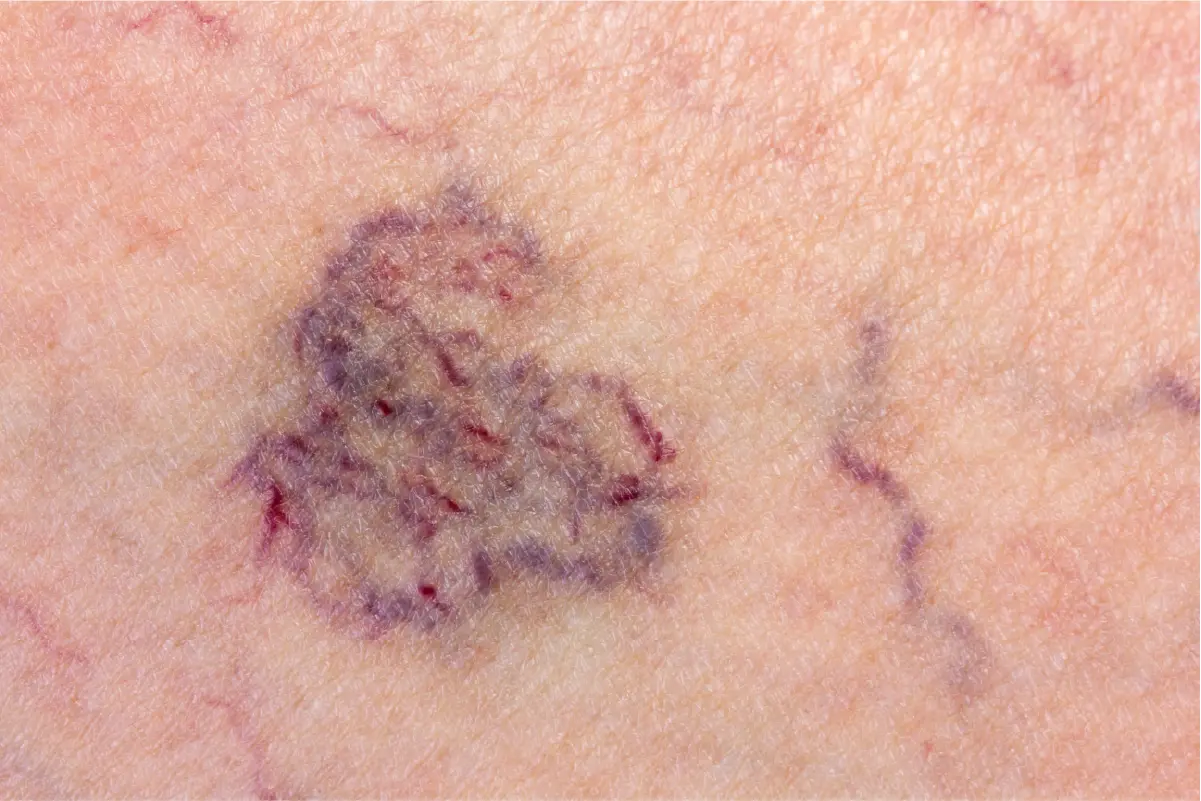
Spider veins are small, damaged blood vessels that appear close to the surface of the skin. They are typically red, blue, or purple and often form thin, web-like patterns on the legs.
These veins commonly develop around the thighs, calves, and ankles and are often noticed gradually over time. While many people view spider veins as primarily cosmetic, they can sometimes be associated with mild symptoms such as itching, burning, or sensitivity in the affected area.
What Are Varicose Veins?
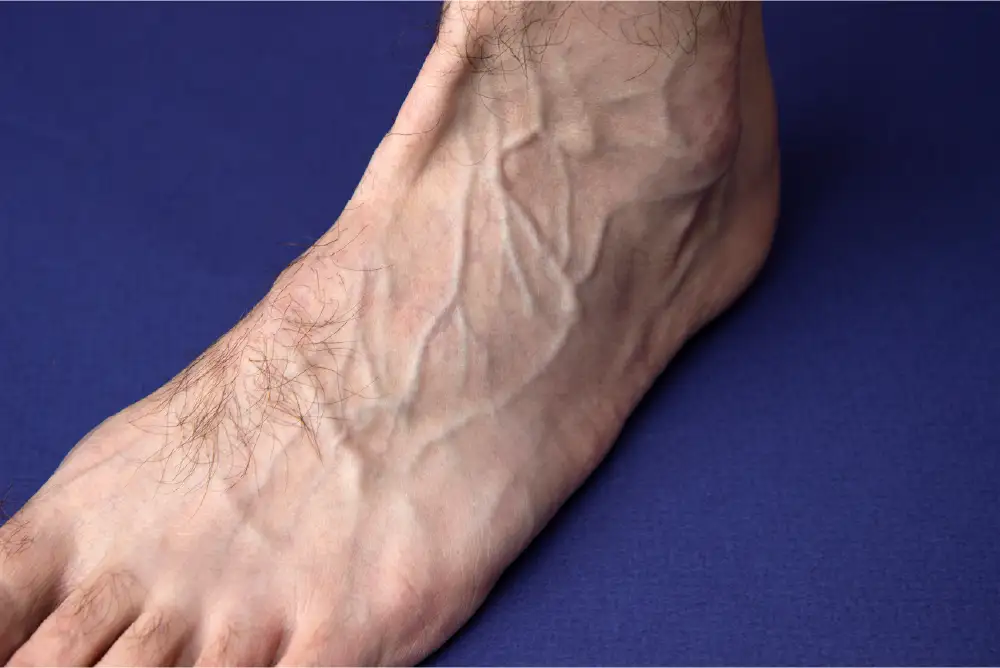
Varicose veins are larger, enlarged veins that may appear raised, twisted, or bulging beneath the skin. Like spider veins, they most often develop in the legs due to increased pressure within the vein system.
Varicose veins are more likely to cause noticeable symptoms, including leg heaviness, aching, swelling, throbbing discomfort, and fatigue. In some cases, they may also be linked to underlying circulation problems such as chronic venous insufficiency.
Concerned About Your Visible Veins?
Don’t put it off! Schedule a quick and painless vein screening today.
How These Veins Develop
Both spider veins and varicose veins develop when pressure builds inside the veins or when vein valves weaken over time. Normally, these valves help move blood back toward the heart. When they stop functioning efficiently, blood can pool in the legs and increase pressure within the veins.
Several factors may contribute to vein development, including:
- Family history of vein disease
- Prolonged standing or sitting
- Hormonal changes
- Pregnancy
- Aging
- Lifestyle habits that affect circulation
As pressure in the veins increases, visible veins may become more noticeable and symptoms may gradually progress.
Can Spider Veins Progress?
Spider veins do not directly “turn into” varicose veins, as they are different types of veins. However, both can be connected to the same underlying circulation issues.
In some cases, spider veins may appear alongside developing varicose veins or may be an early sign that pressure within the vein system is increasing. If the underlying cause, such as venous insufficiency, is not addressed, additional visible veins and more advanced vein symptoms may develop over time.
This is why changes in your veins should not always be viewed as purely cosmetic.
When Visible Veins May Indicate Vein Disease
Visible veins can sometimes provide early insight into your overall vein health. While not every spider vein indicates a serious issue, certain symptoms may suggest an underlying vein condition that should be evaluated.
Signs to watch for include:
- Leg heaviness or fatigue
- Swelling in the lower legs or ankles
- Aching or throbbing discomfort
- Burning or itching sensations
- Skin discoloration or irritation
If these symptoms occur alongside visible veins, it may be a sign of chronic venous insufficiency or another circulation issue. Early evaluation can help identify the cause and support more effective treatment before symptoms progress.
Frequently Asked Questions
No, spider veins are smaller and closer to the surface of the skin, while varicose veins are larger, raised, and often more symptomatic.
They can. Spider veins may become more noticeable over time, especially if underlying vein pressure continues to increase.
Treating spider veins may improve appearance and symptoms, but addressing underlying circulation issues is important for long-term vein health.
Spider veins are often harmless, but in some cases they may be associated with underlying vein disease.
You should consider evaluation if visible veins are accompanied by symptoms such as swelling, pain, heaviness, or skin changes.
Protect Your Long-Term Vein Health
Spider veins and varicose veins may look different, but both can reflect changes happening within your vein system. Paying attention to new or worsening veins, especially when symptoms are involved, can help you better understand your circulation and when it may be time to seek care.
At United Vein & Vascular Centers (UVVC), our board-certified vein specialists provide comprehensive screenings and minimally invasive treatment options designed to improve circulation and relieve symptoms.
If you’re noticing changes in your veins, schedule a free screening to evaluate your vein health and explore the treatment options available to you.