Contents
- Understanding What Your Body Is Telling You
- What Is Peripheral Artery Disease?
- Why Cold Feet Can Be an Early Sign of PAD
- Everyday Risk Factors That Increase PAD in Adults
- Other Conditions That Can Cause Cold Feet
- How PAD Is Diagnosed
- Treatment Options That Can Improve Circulation
- Supporting Your Circulation at Home
- When It Is Time to Seek Medical Advice
- Frequently Asked Questions
- Take the Next Step Toward Better Vascular Health
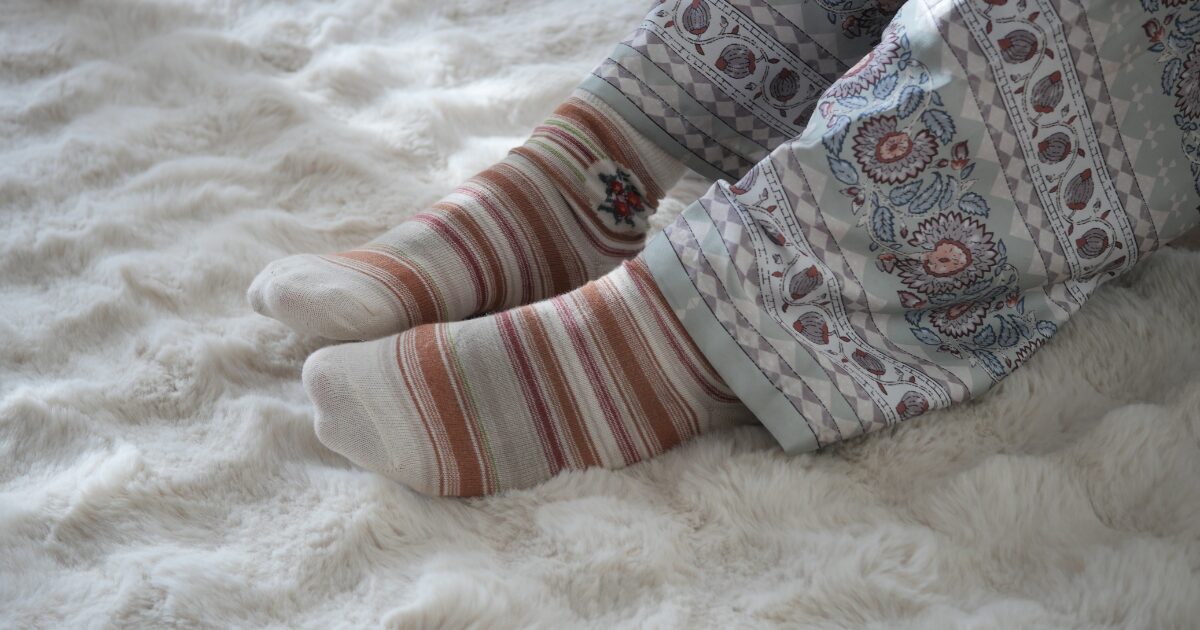
You are sitting comfortably inside your home. The thermostat is set just right. Everyone else feels fine, yet your feet still feel cold. You add socks, shift positions, or even grab a blanket, but the chill does not go away.
It may seem like a small annoyance, but when cold feet happen frequently or without an obvious cause, your body could be signaling an underlying circulation issue. One of the most common medical reasons behind this sensation is Peripheral Artery Disease, often called PAD. This condition affects how blood flows through your arteries and is more common than many people realize.
Many adults dismiss early symptoms such as cold feet, leg fatigue, or mild discomfort as a normal part of aging or daily life. Even in warmer regions like Georgia, patients often notice that their feet feel unusually cold compared to the rest of their body, especially indoors where temperature differences are less noticeable.
During the cooler winter months, these sensations can be even easier to overlook. However, what may seem like a seasonal nuisance can actually be an early warning sign of an underlying vascular condition that should not be ignored.
Understanding What Your Body Is Telling You
Your circulatory system plays a vital role in regulating temperature. Warm blood travels from your heart through arteries to deliver oxygen and nutrients to tissues throughout the body. When circulation is working properly, even your toes stay comfortably warm.
But when arteries narrow due to plaque buildup, blood cannot move as efficiently. The body prioritizes essential organs, which means the feet and legs may receive less flow. The result is a persistent sensation of coldness that does not match your surroundings.
Unlike temporary cold exposure, this type of cold feeling often lingers, appears indoors, and may affect one foot more than the other. These subtle clues can help distinguish a circulation problem from something harmless.
What Is Peripheral Artery Disease?
Peripheral Artery Disease develops when fatty deposits accumulate along artery walls, reducing their ability to carry blood to the limbs. This process, known as atherosclerosis, can occur slowly over many years.
PAD most often affects the legs and feet because they are farthest from the heart and rely on strong blood flow to function properly. As circulation decreases, muscles and tissues do not receive the oxygen they need, especially during movement.
Many patients first notice symptoms when walking. They may feel cramping or fatigue in the calves that improves with rest. Over time, additional signs appear, including numbness, slower healing, and temperature changes in the feet.
Because PAD progresses gradually, people may not connect these changes to a vascular condition until symptoms interfere with daily life.
Why Cold Feet Can Be an Early Sign of PAD
The feeling of cold feet is not just about temperature. It is about reduced blood supply. When arteries narrow, warm blood cannot reach the skin’s surface as effectively. This creates a constant chilled sensation even in comfortable environments.
In some cases, the skin may also appear pale, slightly bluish, or thinner than usual. You might notice that one foot feels colder than the other or that warming efforts bring only temporary relief.
These changes occur because circulation is compromised, not because the body has lost its ability to regulate temperature.
Everyday Risk Factors That Increase PAD in Adults
Peripheral Artery Disease shares many risk factors with heart disease, which is why it often goes undiagnosed until symptoms become noticeable.
Common contributors include diabetes, high blood pressure, elevated cholesterol, and a history of smoking. Age also plays a role, particularly after age 50, when arteries naturally begin to lose elasticity.
Lifestyle patterns can also influence vascular health. Long hours of sitting, limited physical activity, and chronic stress all affect how efficiently blood moves through the body. Many individuals managing busy work schedules or commuting routines may unknowingly increase their risk.
The encouraging news is that identifying PAD early allows for treatments that can slow or even reverse progression.

Other Conditions That Can Cause Cold Feet
Although PAD is a leading cause of persistent cold feet, it is not the only possibility. Thyroid disorders can slow metabolism and reduce circulation efficiency. Anemia limits oxygen delivery throughout the body. Nerve damage related to diabetes may change how temperature is perceived.
Because several conditions share similar symptoms, a professional evaluation is essential to determine the true cause. Accurate diagnosis ensures treatment targets the underlying issue rather than just managing discomfort.
How PAD Is Diagnosed
The diagnostic process for Peripheral Artery Disease is straightforward and typically does not require invasive testing.
A provider begins by reviewing symptoms and examining circulation in the legs and feet. One of the most effective tools is the Ankle Brachial Index test, which compares blood pressure readings in the ankle and arm. Differences between these measurements can reveal reduced blood flow.
Ultrasound imaging may also be used to visualize how blood moves through the arteries. These noninvasive techniques provide clear answers without lengthy recovery or complex preparation.
Treatment Options That Can Improve Circulation
Treatment for PAD focuses on restoring healthy blood flow and preventing the condition from worsening. Many patients benefit from a personalized approach that combines medical therapy with lifestyle adjustments.
Supervised walking programs are often recommended because regular movement strengthens circulation and encourages the development of new blood pathways. Medications may be prescribed to manage cholesterol, control blood pressure, or improve arterial function.
In some cases, minimally invasive procedures can help open narrowed arteries and improve blood flow to the legs. These treatments are designed to reduce discomfort, enhance mobility, and support long term vascular health.
Supporting Your Circulation at Home
Daily habits play an important role in managing symptoms and improving outcomes. Staying active is one of the most powerful ways to support circulation. Even short walks encourage blood movement and strengthen muscles that help pump blood back to the heart.
Maintaining a balanced diet rich in nutrients that support heart health can also make a difference. Hydration, proper footwear, and managing chronic conditions all contribute to better vascular function.
Small, consistent changes often produce meaningful improvements over time.
When It Is Time to Seek Medical Advice
Occasional cold feet are normal. Persistent symptoms are not. If you notice that your feet remain cold despite warmth, or if discomfort appears when walking or resting, it is worth having your circulation evaluated.
Early detection can prevent complications and make treatment simpler and more effective. PAD is manageable, especially when addressed before it progresses.
Frequently Asked Questions
While PAD cannot always be completely reversed, early treatment can significantly slow progression and improve circulation. Lifestyle changes, medications, and minimally invasive procedures often restore comfort and mobility.
Age increases risk, but PAD can affect adults earlier, especially those with diabetes, smoking history, or cardiovascular risk factors. Symptoms should never be ignored regardless of age.
Without treatment, PAD can worsen over time, leading to chronic pain, nonhealing wounds, and increased risk of heart attack or stroke. Early care helps prevent these complications.
Take the Next Step Toward Better Vascular Health
Persistent cold feet may seem minor, but they can be an early signal that your circulation needs attention. Addressing the issue now can protect your mobility, comfort, and overall health for years to come.
The specialists at United Vein & Vascular Centers provide comprehensive evaluations and advanced treatments for conditions like Peripheral Artery Disease. If you are experiencing symptoms of poor circulation, find a Georgia clinic near you and take the first step toward healthier blood flow and greater peace of mind.