


Contents
- When Everyday Decisions Begin Revolving Around BPH
- The Connection Between BPH, Sleep, and Emotional Health
- Why the Emotional Burden Can Be Difficult to Discuss
- What Research Tells Us About BPH and Mental Health
- Why Prostate Size Does Not Tell the Whole Story
- Looking Beyond Symptom Management
- Movember Should Encourage a Broader Conversation About Men’s Health
- A Different Way to Think About Prostate Health
There is a particular way men learn to live around an enlarged prostate. They become familiar with the restrooms along their commute, choose seats near the aisle at the movies, limit how much they drink before leaving home, and wake up several times during the night only to repeat the same routine the following day. These adjustments may begin as minor inconveniences, but over time, they can become so familiar that a man barely recognizes how much his life has changed.
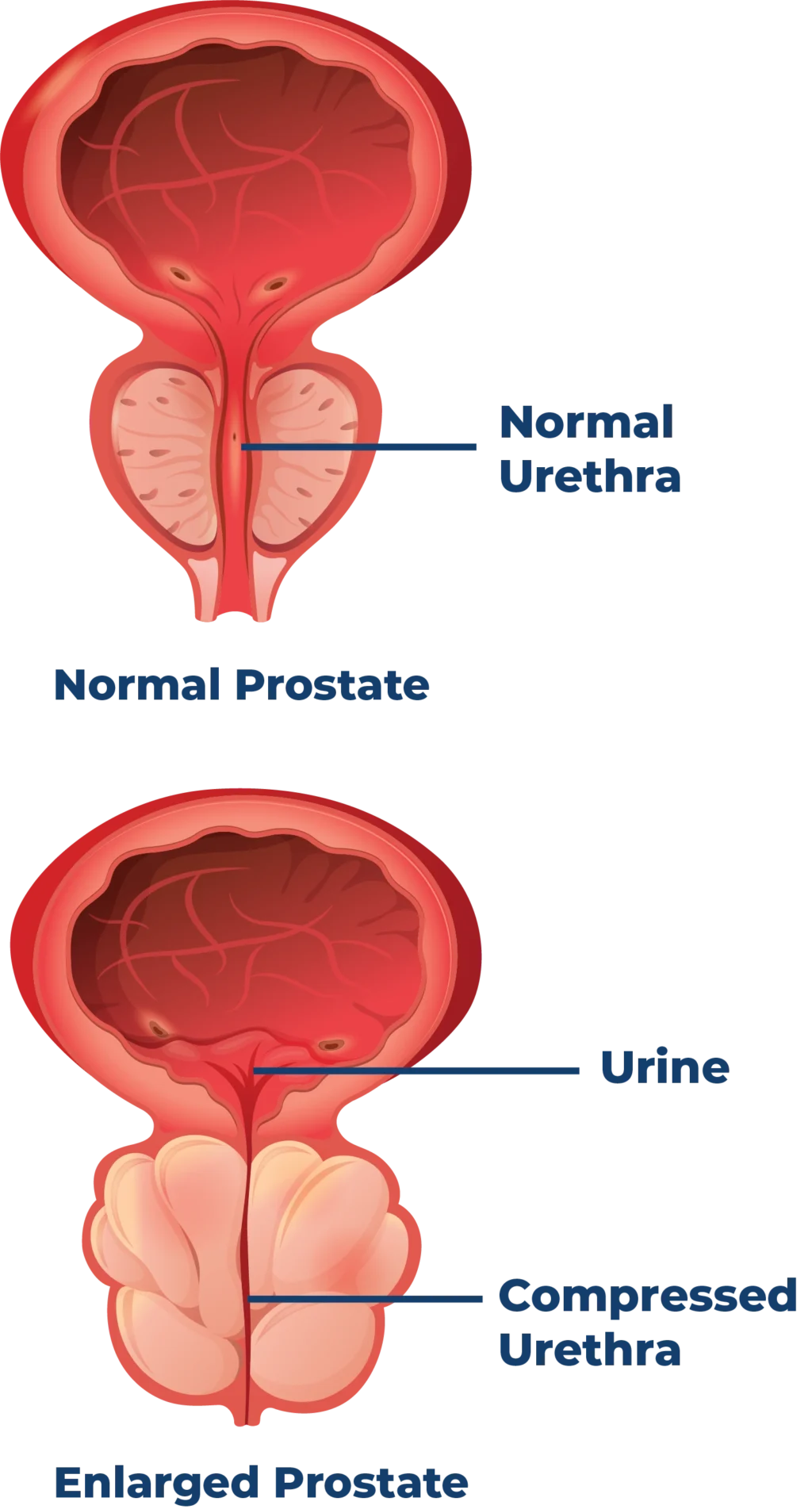
This is one reason I believe benign prostatic hyperplasia (BPH) deserves a broader conversation than it typically receives. BPH is a noncancerous enlargement of the prostate that becomes increasingly common with age. As the prostate enlarges, it can contribute to urinary symptoms such as frequency, urgency, a weak stream, difficulty starting urination, and a persistent feeling that the bladder has not emptied completely.
We tend to evaluate these symptoms by how frequently they occur and how severely they interfere with urinary function. That information is important, but it does not always capture the full experience of living with BPH. A man may report waking three times a night to urinate without mentioning that he has been exhausted for months. He might acknowledge needing frequent bathroom breaks without explaining that he has stopped taking long trips or attending certain events because of the uncertainty.
When urinary symptoms begin influencing where someone goes, how well they sleep, and how confidently they move through daily life, we are dealing with something more complicated than an enlarged prostate.
We are also dealing with the relationship between physical health and mental well-being, a connection that deserves particular attention during Movember.
When Everyday Decisions Begin Revolving Around BPH
The gradual nature of BPH can make its effects difficult to recognize. What starts with an occasional adjustment may eventually influence a man’s willingness to participate in activities he once enjoyed. Some begin avoiding situations where restroom access is uncertain, while others continue their usual routines but experience persistent worry about whether their symptoms will interfere.
This constant anticipation can become mentally exhausting, particularly when urinary urgency makes it difficult to feel comfortable away from familiar surroundings. Even when symptoms are manageable, the effort involved in planning around them may create frustration or anxiety that extends beyond the physical discomfort itself.
The difficulty is that these emotional consequences are not always captured during a medical appointment. We document frequency, urgency, nighttime urination, and difficulty emptying the bladder, but those findings represent only part of the patient’s experience. The remaining burden may appear in the decisions he makes throughout the day, many of which he may not think to mention during an appointment.
The Connection Between BPH, Sleep, and Emotional Health
Sleep is one of the clearest examples of how a physical condition can influence mental well-being.
Nocturia, the need to wake during the night to urinate, is a common complaint among men with BPH. For some, this means waking once and returning to sleep without much difficulty. Others may wake repeatedly, struggle to fall asleep afterward, or become so accustomed to disrupted nights that they no longer remember what a full night of uninterrupted sleep feels like.
Although nocturia can occur for several reasons beyond an enlarged prostate, it is an important symptom to investigate in men experiencing urinary difficulties.
Interrupted sleep can have consequences that extend into the following day. Persistent fatigue may affect concentration, patience, motivation, and the ability to manage everyday responsibilities. Activities that once felt manageable can become more demanding when someone has been sleeping poorly for an extended period.
There is also a relationship between insufficient sleep and emotional health. Sleep disturbances have been associated with increased anxiety and depressive symptoms, and research examining men with lower urinary tract symptoms suggests that urinary problems and psychological distress can influence one another.
I think this connection is particularly important because it can be difficult for patients to recognize where one problem ends and another begins. A man may attribute his irritability or lack of energy to work, stress, or getting older without considering whether repeated nighttime bathroom trips are contributing to how he feels.
At the same time, it would be inaccurate to assume that every sleep or mood concern in a man with BPH is caused by his prostate. Sleep apnea, medications, other medical conditions, and independent mental health concerns can contribute to these symptoms. A thoughtful evaluation needs to consider those possibilities rather than treating BPH as the automatic explanation.
When a patient describes urinary symptoms that repeatedly interrupt his sleep, I believe we should be interested in more than the number of times he wakes up. We should understand whether the disruption affects his energy, mood, and ability to function during the day.

Why the Emotional Burden Can Be Difficult to Discuss
Men do not always find it easy to discuss urinary symptoms, especially when those symptoms involve urgency, bladder control, or sexual concerns. Some view these issues as an unavoidable part of aging, while others may feel embarrassed or uncomfortable acknowledging that something as ordinary as urination has become a source of frustration.
The reluctance to discuss symptoms may be even greater when the conversation turns toward mental health.
A man might readily tell his physician that his urine stream has weakened, yet hesitate to mention that he has become anxious about leaving home. He may describe getting up repeatedly at night without connecting that experience to persistent exhaustion or changes in his mood. Even when these concerns are affecting his relationships or confidence, he may not consider them relevant to a medical appointment focused on his prostate.
This creates an important challenge in men’s healthcare. If we concentrate entirely on the physical symptoms a patient reports, we may overlook consequences that he either does not recognize or does not feel comfortable bringing into the conversation.
Urinary difficulties are sometimes treated as problems to be endured until they become severe enough to require intervention. Because BPH is common among older men, symptoms may be accepted as a normal feature of aging rather than something worth evaluating. This can allow discomfort and frustration to become established parts of daily life.
I would like to see us challenge that thinking. Aging may increase the likelihood of developing an enlarged prostate, but it should not automatically mean accepting years of disrupted sleep, limited activities, or persistent worry about urinary symptoms. Men should feel comfortable discussing these changes and seeking an evaluation without waiting until their symptoms become unbearable.
What Research Tells Us About BPH and Mental Health
Medical research has increasingly examined the relationship between urinary symptoms and mental health. Studies involving men with lower urinary tract symptoms have identified associations with anxiety, depression, sleep disturbances, and reduced quality of life, while more recent BPH-specific research has also reported higher rates of depression and anxiety among men with the condition.
A 2025 study using UK Biobank data found that men diagnosed with BPH experienced a greater long-term risk of depression and anxiety. The researchers also investigated possible genetic relationships, finding evidence that supports a causal connection between BPH and depression. However, these findings do not mean that every man with BPH will develop a mental health condition, and additional research is needed to clarify the biological, behavioral, and social factors involved.
Persistent urinary symptoms can contribute to psychological distress through disrupted sleep, reduced participation in social activities, embarrassment, and concerns about independence or bladder control. At the same time, anxiety and emotional stress may influence how people perceive and cope with physical symptoms.
Understanding these relationships can help physicians have more complete conversations with their patients. It encourages us to recognize that an enlarged prostate may be affecting much more than a man’s ability to urinate comfortably, particularly when symptoms have been present for an extended period.

Why Prostate Size Does Not Tell the Whole Story
One of the important distinctions in BPH care is that the size of the prostate does not always correspond to the severity of a man’s symptoms.
Some men have substantially enlarged prostates with relatively minor urinary difficulties, while others experience significant symptoms despite having less enlargement. The extent of urinary obstruction, bladder function, and several other factors may influence how the condition presents.
This is why evaluating BPH requires more than identifying that the prostate is enlarged. Physicians must consider the patient’s medical history, symptoms, examination findings, and appropriate diagnostic testing to determine what may be contributing to his urinary problems.
What We Measure vs. What Patients Experience
Clinical findings help physicians understand urinary function, but the personal impact of BPH may require a different set of questions.
| What We Measure Clinically | What It May Mean for the Patient |
|---|---|
| Prostate size | The degree of enlargement does not always reflect how much a man’s daily life is affected. |
| Frequency and urgency of urination | A patient may avoid activities or feel anxious about being somewhere without convenient restroom access. |
| Nighttime urination (nocturia) | Repeated interruptions may contribute to fatigue, difficulty concentrating, and changes in mood. |
| Urinary flow and bladder emptying | Difficulty urinating may create frustration, embarrassment, or concerns about bladder control. |
| Overall urinary symptom severity | Symptoms that appear relatively manageable clinically may still have a significant impact on confidence and quality of life. |
These differences help explain why treatment planning must account for individual experiences rather than relying on clinical measurements alone. One man may be most frustrated by nighttime urination, while another may be concerned about incontinence or potential effects of treatment on sexual function. Even when their clinical findings are similar, their priorities may lead to different treatment discussions.
Looking Beyond Symptom Management
Treatment for BPH has evolved considerably, and men now have several approaches to consider depending on their symptoms, prostate anatomy, overall health, and personal preferences.
For some, lifestyle modifications or medications may provide adequate symptom management. Other men continue experiencing bothersome urinary symptoms despite conservative treatment or have concerns about medication side effects. In these situations, additional treatment options may be considered following an appropriate medical evaluation.
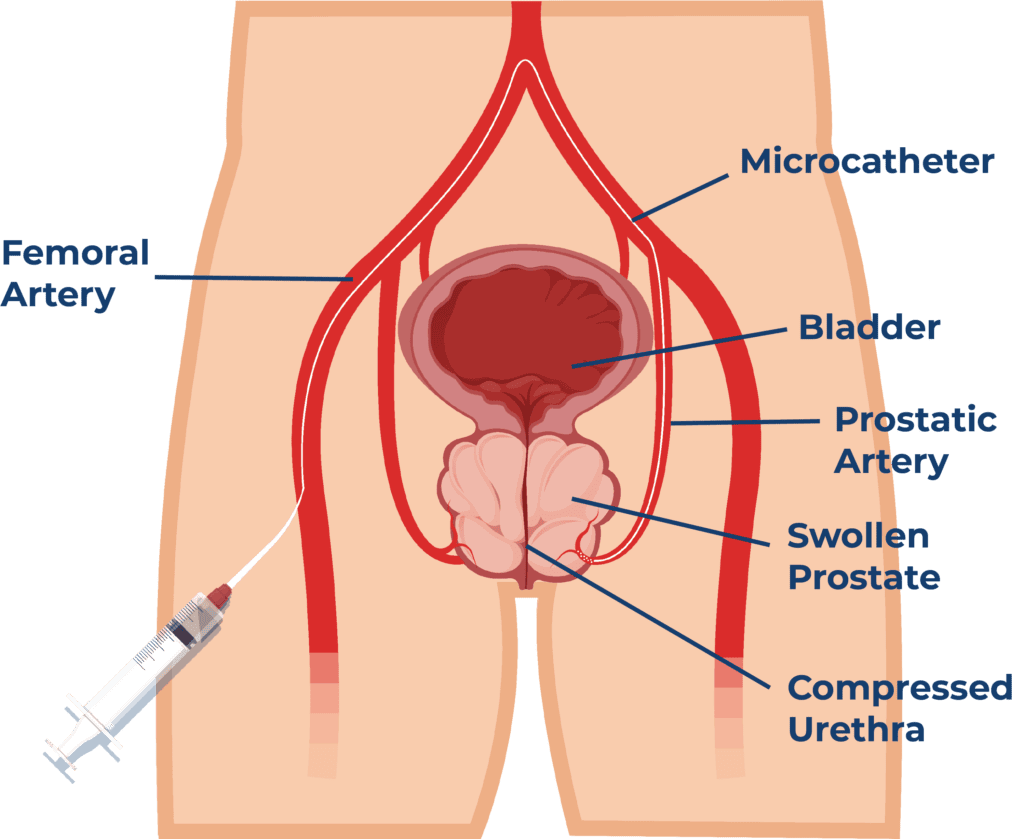
One option available to selected patients is prostate artery embolization (PAE), a minimally invasive vascular procedure designed to address urinary symptoms associated with an enlarged prostate.
During PAE, a physician uses image guidance to deliver tiny particles into selected arteries supplying the prostate. Reducing blood flow to the targeted prostate tissue can allow the gland to decrease in size over time, potentially relieving pressure on the urinary tract and improving symptoms.
PAE does not require the same surgical approach as traditional prostate procedures, although it has its own risks, limitations, and eligibility considerations. Not every patient with BPH is an appropriate candidate, and treatment recommendations should be individualized. The potential benefits and limitations of PAE should also be weighed against medications, other minimally invasive options, and surgical treatments when appropriate.
From my perspective, the value of treatment should be considered in terms of both urinary function and the patient’s broader quality of life. Reducing urinary frequency or improving bladder emptying may be important clinical goals, but patients are often equally interested in what those changes could mean for their daily routines.
For someone whose symptoms repeatedly interrupt sleep, improvement may mean feeling more rested during the day. For another patient, greater confidence in urinary control could make travel, social activities, or spending time away from home feel more manageable.
These possibilities are meaningful, although outcomes vary and treating BPH does not guarantee improvements in mental health. When psychological symptoms are present, they deserve their own evaluation and appropriate care rather than being assumed to resolve following prostate treatment.
Movember Should Encourage a Broader Conversation About Men’s Health
Movember has helped bring attention to important issues in men’s health, particularly prostate cancer, testicular cancer, mental health, and suicide prevention. The awareness surrounding these topics creates an opportunity to examine how men’s physical and emotional health intersect in ways that are not always obvious.
Although BPH is not prostate cancer, it deserves a place in conversations about prostate health because of how significantly persistent urinary symptoms can affect everyday living.
I think one of the most valuable messages we can communicate during Movember is that men do not need to separate their physical symptoms from the emotional consequences of living with them. Feeling frustrated by urinary urgency, exhausted by interrupted sleep, or anxious about bladder control does not make those experiences any less relevant to medical care.
The same principle applies to speaking openly about mental health. Men experiencing persistent anxiety, depression, or emotional distress should be encouraged to discuss those concerns with a healthcare professional, whether or not they have a diagnosed prostate condition. Addressing urinary symptoms and supporting mental well-being are complementary parts of comprehensive healthcare, not competing priorities.
In many cases, starting these conversations requires us as physicians to ask better questions and create an environment where patients feel comfortable answering them. A man may initially seek care because he wants to urinate less frequently, but his larger concern may be how much independence, comfort, or confidence he feels he has lost.
Recognizing that difference can change the conversation about treatment and help ensure that the patient’s priorities remain central to the decisions being made.

A Different Way to Think About Prostate Health
When I consider the relationship between BPH and mental health, I think about how easily men can become accustomed to symptoms that are affecting their well-being. They may continue working, traveling, and managing their responsibilities while privately dealing with disrupted sleep, frustration, or anxiety that they have come to accept as part of everyday life.
My hope this Movember is that more men recognize the value of discussing these concerns before they become deeply ingrained in their routines. Understanding what is contributing to persistent urinary symptoms is an important part of determining which treatment options may be appropriate, but recognizing their emotional and psychological impact is just as important to having a meaningful conversation about health.
For men experiencing persistent urinary symptoms related to an enlarged prostate, United Vein & Vascular Centers offers vascular consultations to help determine whether minimally invasive treatment options, including prostate artery embolization, may be appropriate.
Ultimately, caring for men’s health requires understanding both the condition and the person living with it. For men who have spent years adjusting their lives around urinary symptoms, simply having an open conversation about those experiences can be an important first step toward finding appropriate care.