Contents
- “Which Symptoms Should I Never Ignore When It Comes to My Vein Health, and Why?”
- Q: Why do vein symptoms matter more than most people think?
- Q: Are varicose veins dangerous? Are spider veins just cosmetic?
- Q: What symptoms should never be ignored?
- Q: How do you diagnose the cause of these symptoms?
- Q: When should someone seek medical attention?
- What’s Next in the Ask the Doc Series

Welcome to Ask the Doc, a new educational series from United Vein & Vascular Centers designed to bring clarity, confidence, and medically grounded answers to the vein-health questions patients ask most. Each week, a UVVC physician will break down essential topics surrounding vein and vascular care, what symptoms matter, when to seek help, and how modern minimally invasive treatments can restore comfort and mobility with minimal downtime.
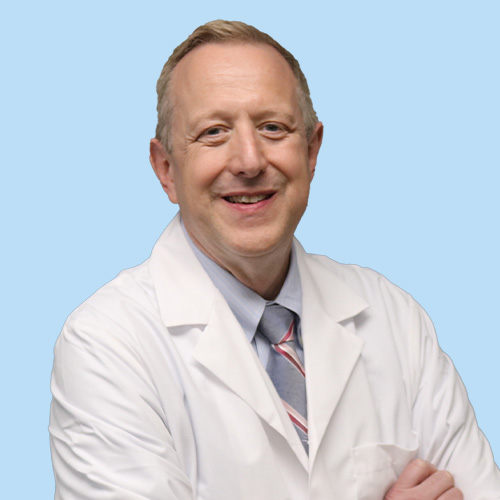
In this first installment, Dr. Domenic Zambuto addresses one of the most important questions in vein care:
“Which Symptoms Should I Never Ignore When It Comes to My Vein Health, and Why?”
His insights reinforce UVVC’s commitment to medical leadership, advanced diagnostic imaging, and comprehensive vascular care.
Q: Why do vein symptoms matter more than most people think?
Dr. Zambuto:
A lot of patients underestimate vein symptoms because the earliest signs often look harmless. Mild swelling, spider veins, or tired legs tend to be chalked up to aging, long workdays, or standing too much.
But the truth is that vein disease is progressive. It doesn’t correct itself. Most symptoms stem from venous valve failure, meaning the valves inside the veins weaken and allow blood to flow backward and pool in the legs. That increased pressure gradually leads to:
- persistent swelling
- heaviness and discomfort
- skin discoloration
- inflammation
- loss of mobility
- and in advanced cases, ulceration
So even symptoms that “don’t seem like a big deal” can be early indicators of something medically significant.
Q: Are varicose veins dangerous? Are spider veins just cosmetic?
Dr. Zambuto:
These are two of the most common misconceptions I encounter.
Some visible veins can be cosmetic, but many are not. Spider veins that spread quickly or varicose veins that bulge are often signs of underlying chronic venous insufficiency (CVI), a medical condition where blood pools in the legs over time.
CVI won’t improve without treatment, and the earlier we diagnose it, the easier it is to manage and relieve symptoms.

Q: What symptoms should never be ignored?
Dr. Zambuto:
There are seven symptoms I especially want patients to take seriously, even if they seem mild at first.
1. Persistent Leg Swelling
If swelling:
- worsens throughout the day
- returns every afternoon or evening
- or affects one leg more than the other
…it may be a sign of venous reflux, where blood is not circulating properly. Chronic swelling should never be dismissed.
2. Heaviness, Aching, or Fatigue in the Legs
Patients often describe it as “walking through wet sand.”
This sensation is a hallmark of rising venous pressure and is one of the earliest signs of CVI.
3. Burning, Itching, or Restless Legs
Burning, tingling, itching, or nighttime restlessness are extremely common. These symptoms are tied to inflammation and venous congestion and often get worse at night when venous pressure increases.
4. Skin Discoloration Around the Ankles
Brownish, reddish, or darkening skin changes near the ankles indicate long-standing vein pressure. This is a sign that vein disease is advancing and requires evaluation.
5. Sudden Pain, Warmth, or Firmness in the Leg
These symptoms are not a diagnosis, but they can be red flags for a potential DVT (deep vein thrombosis). Any sudden, localized pain or warmth should be evaluated promptly.
6. Bulging Varicose Veins or Rapidly Growing Spider Veins
Varicose veins are rarely just cosmetic. They usually indicate significant venous pressure.
Likewise, spider veins that rapidly appear or spread may reflect a deeper circulation issue.
7. Symptoms That Worsen at Night or After Activity
If your legs ache when you lie down, or if standing for long periods makes symptoms significantly worse, this is often due to underlying circulation problems, not general fatigue.
Q: How do you diagnose the cause of these symptoms?
Dr. Zambuto:
Our goal is to understand the complete picture of your vascular health. That means we don’t just look at surface symptoms, we evaluate the entire leg.
A diagnostic visit at UVVC may include:
Venous Ultrasound
To assess blood flow, valve function, and vein anatomy.
Arterial Screening
Helpful if symptoms suggest circulation issues beyond the venous system.
Lymphatic Evaluation
Crucial for patients with longstanding or complex swelling.
Detailed Clinical Review
We examine your symptoms, history, and imaging results to determine whether they align with venous insufficiency or another vascular conditions.
This thorough approach allows us to create individualized treatment plans using minimally invasive procedures that require little to no downtime.

Q: When should someone seek medical attention?
Dr. Zambuto:
I recommend contacting a vein specialist if you experience:
- sudden or rapidly worsening swelling
- redness, warmth, or tenderness in the leg
- increasing ankle discoloration or skin thickening
- pain that interrupts sleep
- swelling that no longer resolves overnight
- new difficulty walking or persistent heaviness
- painful or increasingly visible veins
Early evaluation is the best way to prevent symptoms from advancing and to preserve your long-term vein health.
What’s Next in the Ask the Doc Series
This is just the beginning of our Ask the Doc series. Each week, a UVVC physician will answer real patient questions to help you better understand your symptoms, your circulation, and your treatment options.
Next week, Dr. Loan Lam will explain how leg symptoms relate to circulation and what patients can expect during a diagnostic ultrasound.