Contents
- The Discoloration Was Part of a Bigger Picture
- When Skin Changes May Be Worth Evaluating
- Thomas’s Care in Gilbert Included RFA and Varithena®
- Thomas Saw the Discoloration Begin to Improve
- The Changes Went Beyond Appearance
- Thomas Appreciated the Gilbert Team’s Approach
- His Work at UPS Made Vein Health More Personal
- Skin Discoloration Gave Thomas a Reason to Take a Closer Look
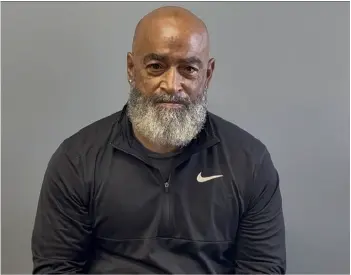
Skin discoloration was one of the first changes Thomas S. noticed in his legs.
What initially seemed like a cosmetic concern made him wonder whether the changes could be connected to his vein health. Rather than ignore the discoloration, Thomas decided to have his legs evaluated.
He eventually sought care at United Vein & Vascular Centers in Gilbert, where his treatment plan included radiofrequency ablation (RFA) and Varithena®.
The Discoloration Was Part of a Bigger Picture
Skin discoloration can develop for many reasons, and appearance alone does not identify the cause.
When changes around the lower legs or ankles persist or appear alongside visible veins, swelling, heaviness, aching, or other symptoms, they may be worth discussing with a provider.
For Thomas, getting the discoloration evaluated helped move the concern beyond appearance and toward a better understanding of what might be happening with his vein health.
When Skin Changes May Be Worth Evaluating
Skin changes related to circulation can look different from person to person.
Some people notice red, brown, purple, or darker areas around the lower legs or ankles. Others may see changes develop gradually alongside more prominent veins or other leg symptoms.
Because discoloration can have several possible causes, it is important to look at the full picture rather than assume why the skin has changed.
A vein screening can help determine whether signs of vein disease may be present and whether additional evaluation is appropriate.
Thomas’s Care in Gilbert Included RFA and Varithena®
After his evaluation, Thomas underwent radiofrequency ablation and Varithena®.
Radiofrequency ablation uses thermal energy to close an affected vein, while Varithena® uses an injectable microfoam to treat certain problem veins. Once treated veins are closed, blood can naturally redirect through healthier veins nearby.
The treatment plan depends on the veins involved, imaging findings, symptoms, medical history, and the provider’s evaluation.
As Thomas moved through treatment, one of the first changes he noticed involved the discoloration that had originally concerned him.
Thomas Saw the Discoloration Begin to Improve
The difference was visible to Thomas.
“First thing that I noticed was that the vein discoloration began to go away and the cosmetic concerns that I had also went away.”
For Thomas, seeing the discoloration improve gave him a clear way to recognize the change after treatment.
Beyond the visible change, Thomas noticed better movement and circulation. Even so, the improvement in the appearance of his legs remained one of the most immediate differences he could see.
The Changes Went Beyond Appearance
Although the discoloration was what first caught Thomas’s attention, he came to view treatment as more than a cosmetic decision.
He said he also noticed better movement and circulation and felt that addressing his vein concerns was time well spent.
Thomas believed some of the benefits may become more noticeable over time, which made him feel even more confident about taking action when he did.
Thomas Appreciated the Gilbert Team’s Approach
Thomas spoke highly of his experience with the Gilbert staff.
He described the team as timely, attentive, and consistently kind throughout his care.
“Always timely, always on point, always kind.”
That reliability stood out to Thomas and helped make the treatment process easier to navigate from visit to visit.
His experience was positive enough that he said he would recommend the clinic to others considering vein care.
His Work at UPS Made Vein Health More Personal
Thomas’s experience changed how he thought about vein concerns in the workplace.
As a UPS employee, he had seen other drivers deal with similar problems, which made him more aware of how common vein concerns can be among people who spend long hours on their feet.
Going through treatment himself made him more mindful of visible changes such as discoloration and the importance of paying attention when something in the legs begins to look different.
Skin Discoloration Gave Thomas a Reason to Take a Closer Look
Thomas sought care after discoloration in his legs raised questions about his vein health.
Following RFA and Varithena®, he reported that the discoloration had begun to fade, while other concerns about the appearance of his legs had improved as well.
His experience shows why persistent skin discoloration can be worth evaluating, especially when it appears alongside visible veins or other changes in the legs.
If skin discoloration on the legs is becoming more noticeable or does not seem to be going away, schedule a vein screening with United Vein & Vascular Centers. A screening can help determine whether vein disease may be contributing and whether additional evaluation may be appropriate.