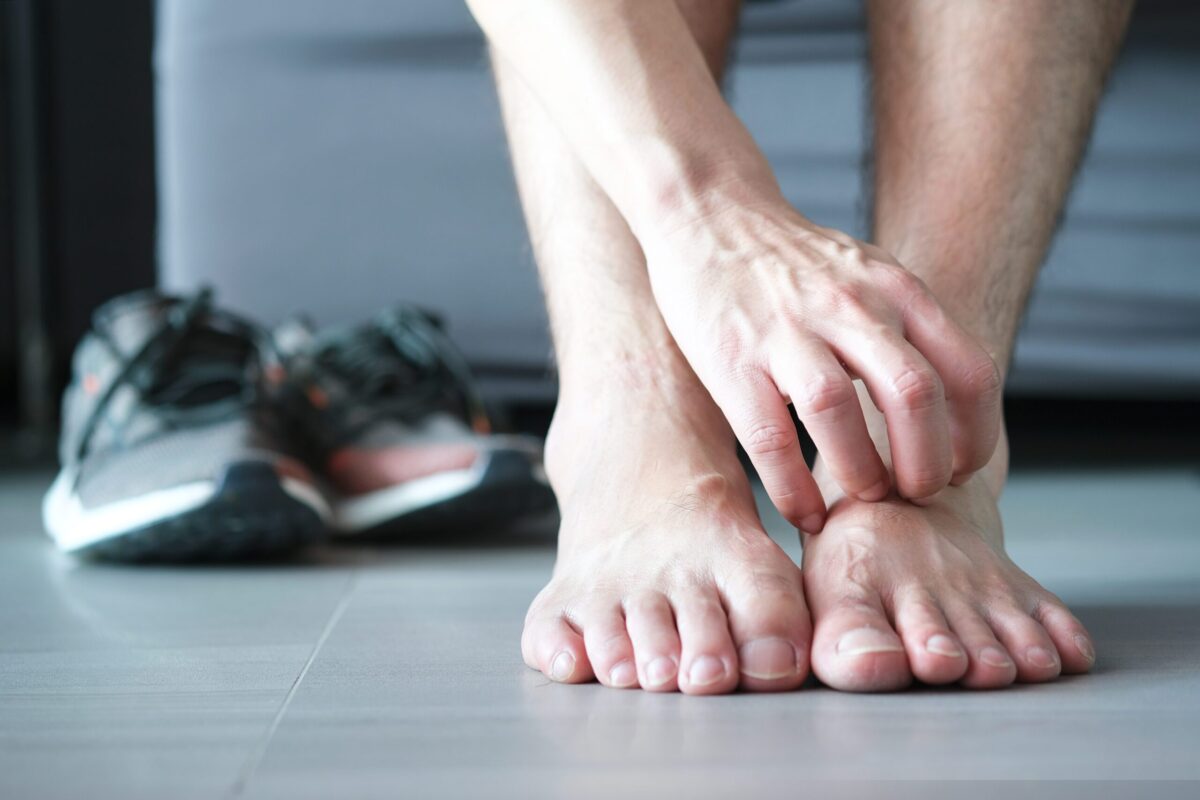
If you’ve noticed itching, aching, or a burning sensation in your legs, it may be easy to assume it’s just a skin issue or temporary irritation. However, these symptoms can sometimes be linked to how well your veins are functioning. When circulation is not working efficiently, changes beneath the surface can begin to affect how your skin looks and feels.
Understanding the connection between vein health and skin symptoms can help you recognize when something more may be going on, and when it may be time to take a closer look at your circulation.
Why Veins Can Cause Skin Symptoms
Vein-related symptoms don’t always show up as visible veins alone. In many cases, the skin can be one of the first places where changes are noticed. When veins are not circulating blood efficiently, pressure can build in the lower legs.
This increased pressure can cause fluid and inflammatory substances to leak into surrounding tissues, which may irritate the skin. As a result, people may experience itching, burning, or general discomfort in areas where vein function is compromised.
The Link Between Itching and Venous Stasis Dermatitis
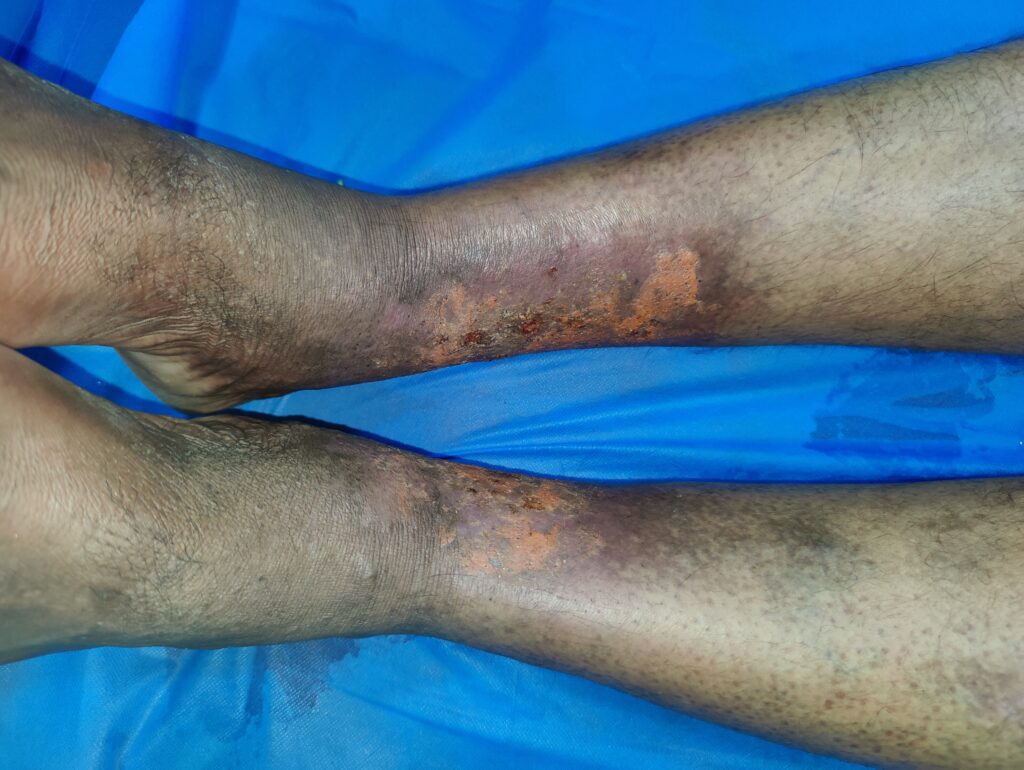
One of the most common causes of itching related to vein disease is venous stasis dermatitis. This condition occurs when blood pools in the lower legs due to poor circulation, leading to inflammation in the skin.
Early signs may include mild itching, redness, or dryness near the ankles. Over time, the skin can become more irritated, with scaling, discoloration, or a thickened texture. Without proper management, these changes can progress and become more difficult to treat.
Recognizing these symptoms early can help prevent more advanced skin complications associated with vein disease.
Other Symptoms of Vein Disease
In addition to itching, vein disease can cause a variety of symptoms that affect both the skin and the legs. These may include:
- Aching or throbbing discomfort
- Burning sensations in the legs
- Swelling in the lower legs or ankles
- Heaviness or fatigue, especially later in the day
- Visible varicose or spider veins
- Skin discoloration or irritation
These symptoms may start gradually but can become more noticeable as vein function continues to decline.
When Skin Changes May Signal Circulation Problems
Occasional itching or skin irritation may not always indicate a serious issue. However, persistent or worsening symptoms, especially when paired with visible veins or swelling, may signal an underlying circulation problem.
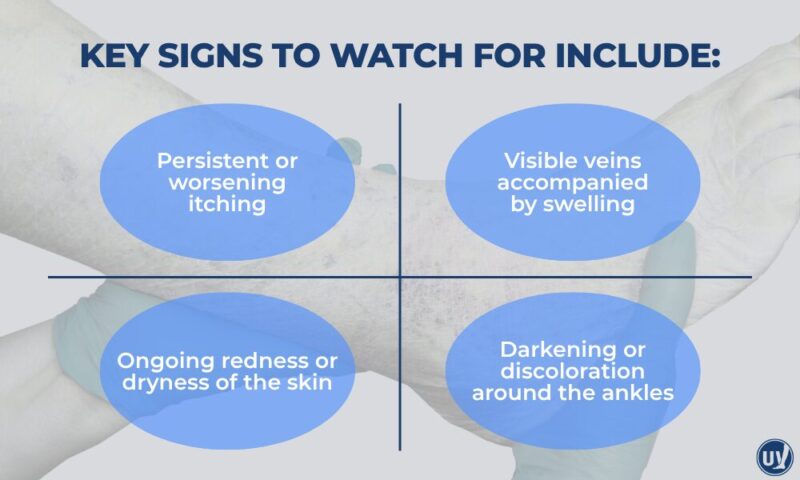
These changes can be early signs of chronic venous insufficiency. If left untreated, symptoms may progress to more advanced conditions, including skin thickening or venous ulcers.
Seeking evaluation early can help identify the cause and prevent symptoms from becoming more severe.
Diagnosis and Treatment Options
Diagnosing vein-related symptoms typically begins with a clinical evaluation and a duplex ultrasound. This non-invasive imaging test allows specialists to assess blood flow and identify areas where veins may not be functioning properly.
Treatment focuses on improving circulation and relieving symptoms by addressing the underlying vein issue. Depending on the severity, options may include:
- Compression therapy to support blood flow and reduce swelling
- Radiofrequency ablation (RFA) to close damaged veins using heat
- VenaSeal™to seal affected veins with medical adhesive
- Sclerotherapy to treat smaller or surface veins
By redirecting blood flow to healthier veins, these treatments can help reduce pressure, improve circulation, and relieve symptoms such as itching, burning, and discomfort.
Frequently Asked Questions
Varicose veins can cause itching due to increased pressure and inflammation in the surrounding skin, often related to poor circulation.
Burning sensations can occur when blood pools in the veins, leading to increased pressure and irritation of nearby tissues.
Yes, vein disease can lead to skin changes such as dryness, irritation, discoloration, and conditions like venous stasis dermatitis.
It is a skin condition caused by poor circulation in the veins, leading to inflammation, itching, and changes in skin texture, typically around the ankles.
You should seek evaluation if itching is persistent, worsening, or accompanied by swelling, pain, or visible vein changes.
Find Relief from Vein-Related Skin Symptoms
If you’re experiencing itching, burning, or discomfort in your legs, it may be more than a skin issue, it could be related to your vein health. Addressing the underlying cause can help improve both how your legs feel and how your skin looks over time.
At United Vein & Vascular Centers (UVVC), our specialists provide comprehensive vein evaluations and minimally invasive treatments designed to improve circulation and relieve symptoms at the source.
Take the next step toward relief by connecting with a UVVC specialist and exploring the treatment options that are right for you.