

Vein Ablation Treatment
Vein ablation is a minimally invasive vein procedure used to close damaged veins and improve blood flow. At United Vein & Vascular Centers, we use advanced ablation techniques to treat the underlying cause of varicose veins, helping relieve symptoms such as leg pain, swelling, and heaviness.
One of the most effective approaches is radiofrequency ablation (RFA), which uses controlled heat to safely close diseased veins and restore healthy circulation without the need for surgery. Before treatment, your provider will perform a detailed evaluation to confirm the diagnosis and determine if vein ablation is the right option for you.
Request a Vein Screening
What Is Vein Ablation?
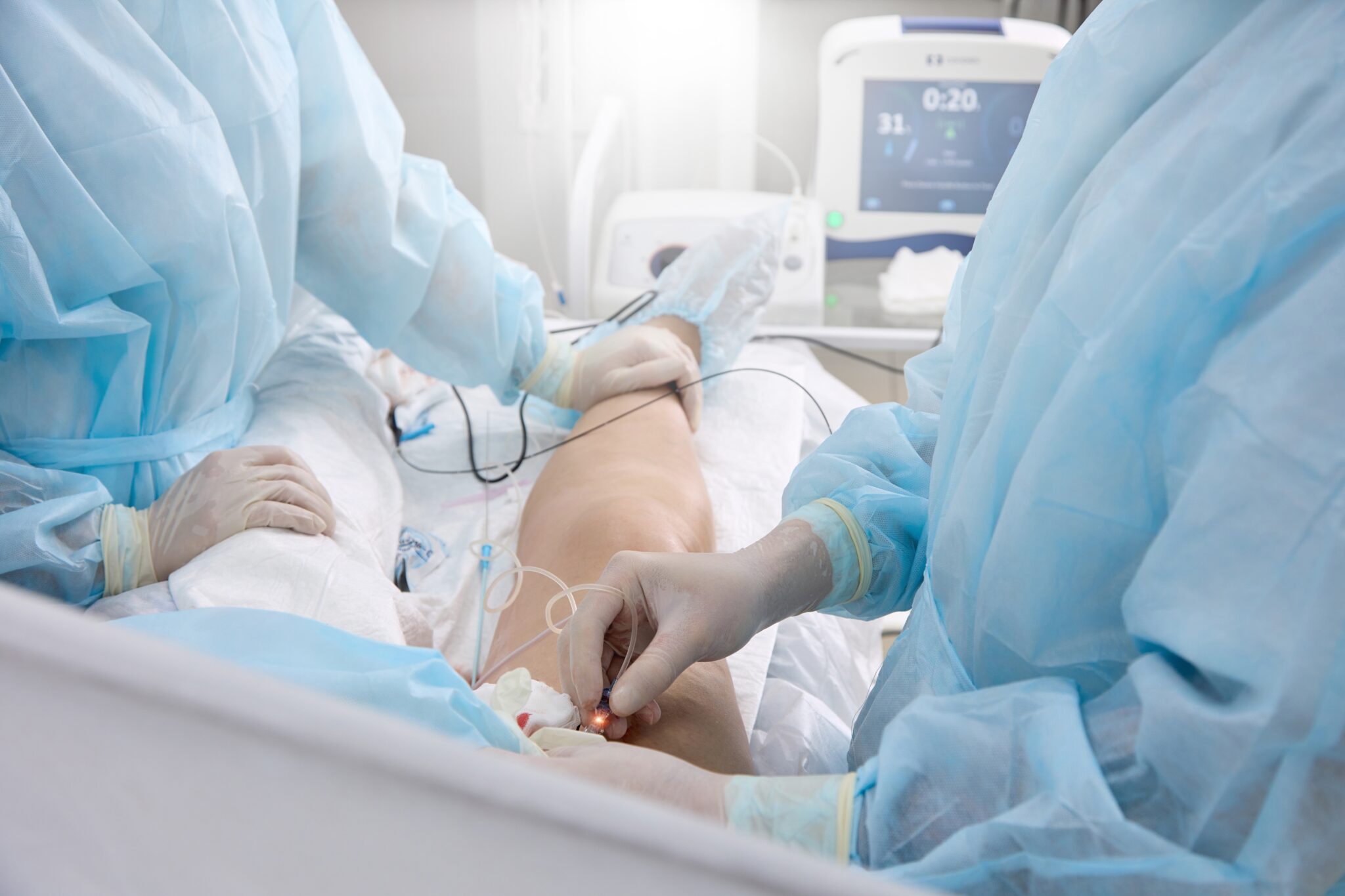
Vein ablation is a non-surgical treatment that uses thermal energy to seal malfunctioning veins. Once the vein is closed, blood is naturally redirected to healthier veins, improving circulation and reducing symptoms.
This approach focuses on treating the underlying cause of vein disease rather than just addressing visible surface veins. Vein ablation is commonly used as part of a comprehensive treatment plan to improve overall vein health and prevent symptoms from worsening over time.

Conditions Treated with Vein Ablation
Vein ablation may be recommended for:
These symptoms are often linked to underlying circulation issues and may benefit from medical evaluation.

Ideal Candidates for Vein Ablation
You may be a candidate for vein ablation if you:
- have symptomatic varicose veins
- experience leg pain, swelling, or heaviness
- have been diagnosed with chronic venous insufficiency
- are looking for a minimally invasive treatment option
What to Expect During Vein Ablation
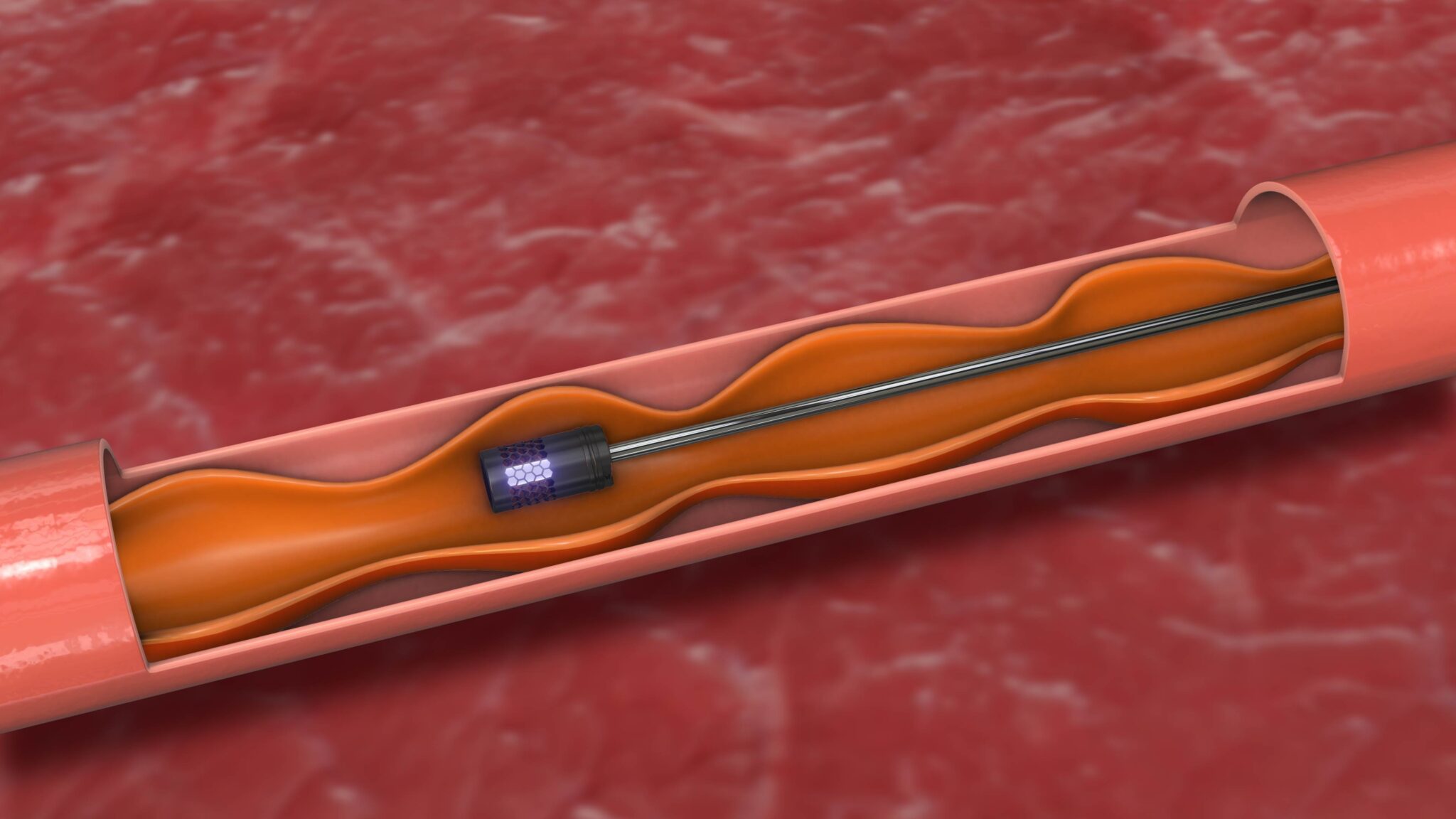
During vein ablation, a numbing agent is applied to the treatment area to ensure comfort. A small catheter is then inserted into the affected vein, allowing thermal energy to be delivered and safely close the vein. Once treated, blood flow is naturally redirected to healthier veins. The procedure is performed in-office and typically takes 30 to 60 minutes.

How to Prepare for Ablation Treatment
Before your procedure, your provider may recommend:
- following specific medication guidance
- avoiding certain supplements if advised
- wearing comfortable, loose-fitting clothing

Recovery After Vein Ablation
Vein ablation offers several advantages, including:
- minimally invasive treatment
- no large incisions
- quick recovery time
- long-lasting symptom relief
- improvement in leg comfort and appearance
Vein Ablation vs Other Vein Treatments
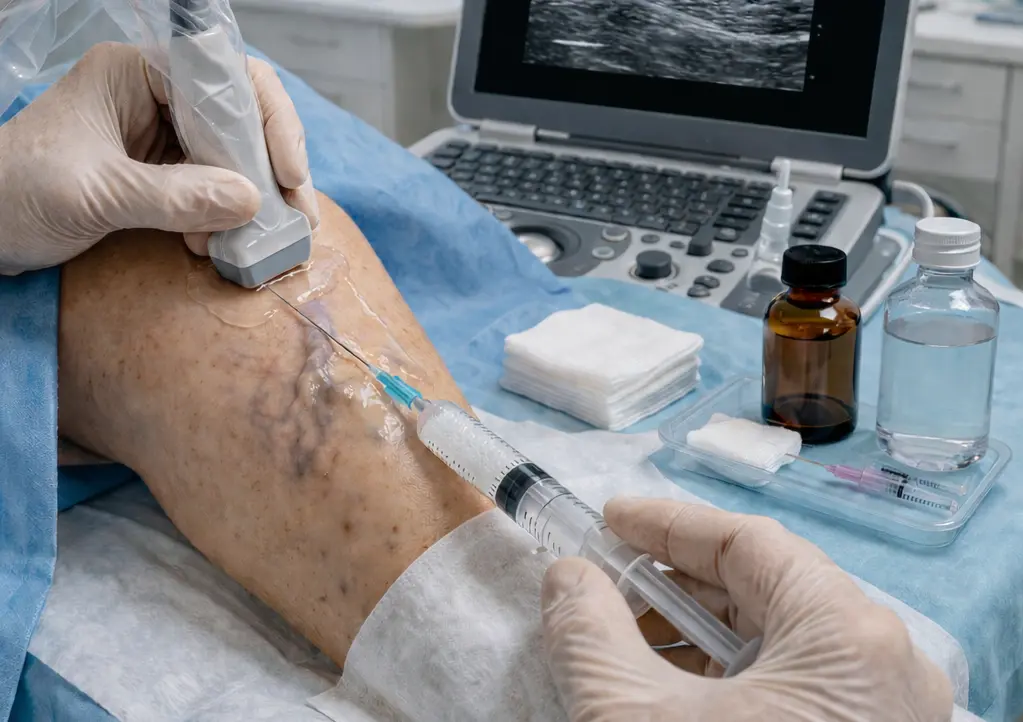
Vein ablation is often used as part of a comprehensive treatment plan. While it addresses the underlying vein disease, additional procedures may be recommended to treat visible veins.
For example, microphlebectomy may be used to remove larger, bulging surface veins, while sclerotherapy is commonly used for smaller veins. Your provider will determine the best combination of treatments based on your specific condition and goals.

Why Radiofrequency Ablation Is Commonly Recommended
Radiofrequency ablation is widely used because it provides:
- precise, controlled thermal treatment
- minimal discomfort during the procedure
- a fast return to daily activities
- reliable, long-term results
Your specialist will determine if this approach is appropriate based on your condition and symptoms.
Frequently Asked Questions
Vein ablation is a minimally invasive vein procedure that uses thermal energy to close damaged veins and improve circulation.
Radiofrequency ablation is a type of vein ablation. At our clinics, we use radiofrequency-based thermal ablation to treat vein disease.
Our specialists use radiofrequency thermal ablation rather than laser-based treatments, focusing on techniques designed for patient comfort and effective results.
The procedure is performed with a local anesthesia, and most patients experience little to no discomfort.
Most patients return to normal activities within one to two days.
Related Articles