Visible Veins
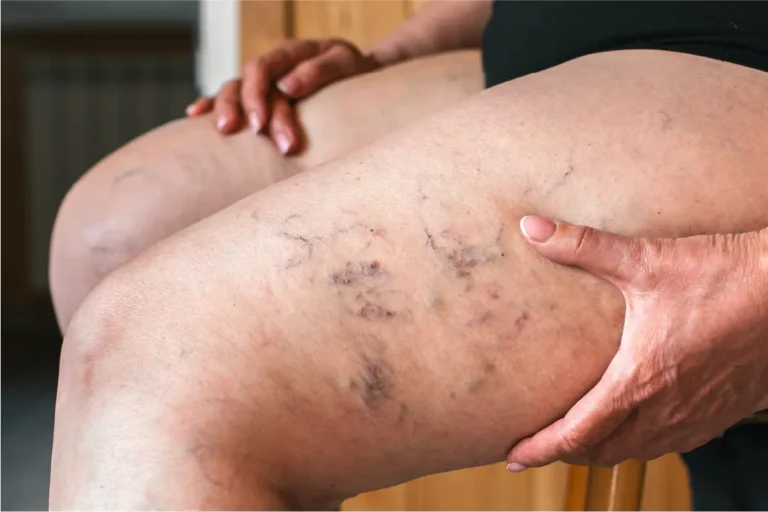
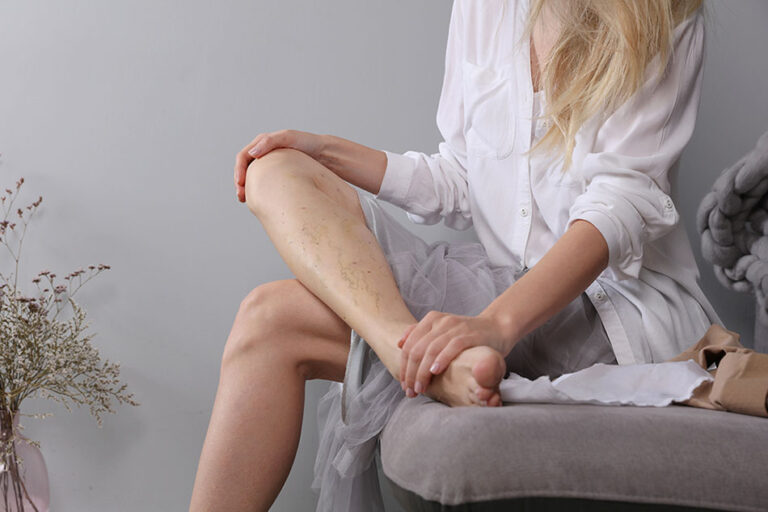
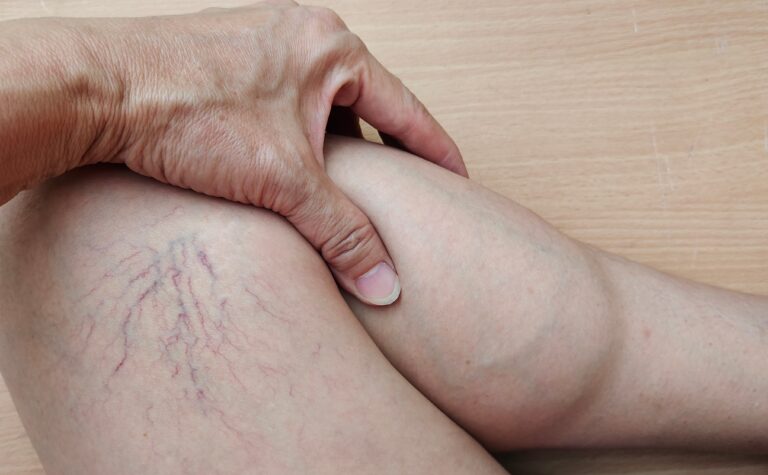
Visible veins may appear as fine red or purple lines, blue or green networks beneath the skin, or raised, twisting veins on the legs. Some veins are naturally easy to see and do not indicate a health problem. However, veins that become enlarged, bulge, or occur with aching, swelling, heaviness, itching, or skin changes deserve evaluation to determine whether an underlying vein condition may be contributing.
Symptoms That May Occur Along with Visible Veins
- Aching, throbbing, heaviness, or fatigue in the legs
- Swelling around the ankles or lower legs, particularly later in the day
- Itching, burning, dryness, or discoloration near visible veins
If you’re noticing new or existing visible veins on your legs, it may be caused by poor circulation. Request a vein screening at United Vein & Vascular Centers and let our specialists help you feel better.
Request a Screening
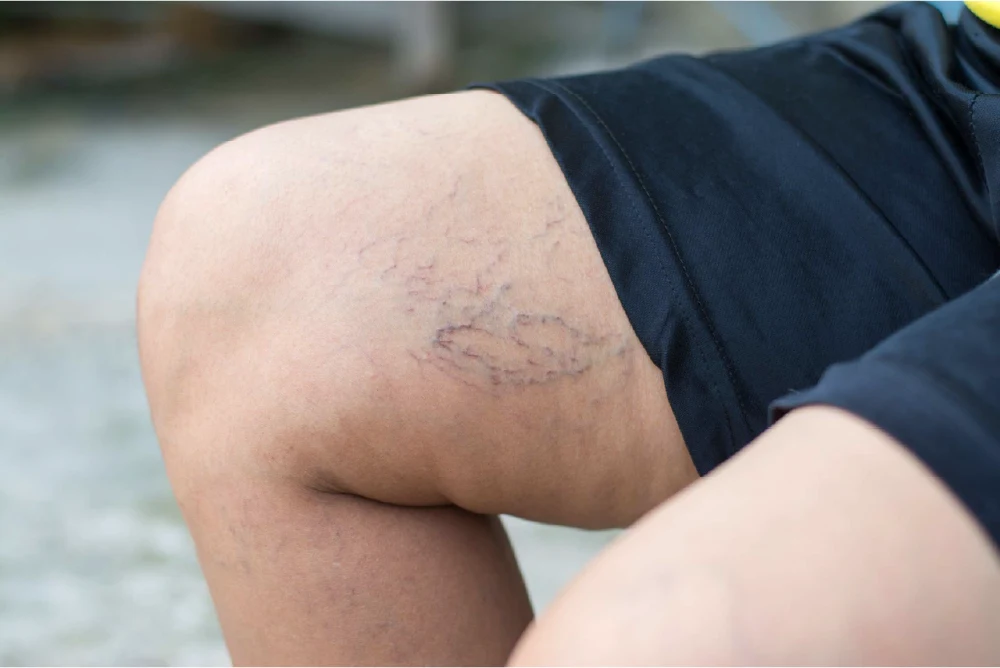
What Causes Visible Veins on Your Legs?
Veins may be easier to see because of skin characteristics, aging, or changes in body composition. Other visible veins develop when small blood vessels widen or larger veins become enlarged. In varicose veins, weakened or damaged valves can allow blood to flow backward, known as venous reflux. Blood can collect in the affected veins, increasing pressure and causing them to stretch, twist, or bulge.
Spider Veins vs. Varicose Veins: What's the Difference?
Spider Veins
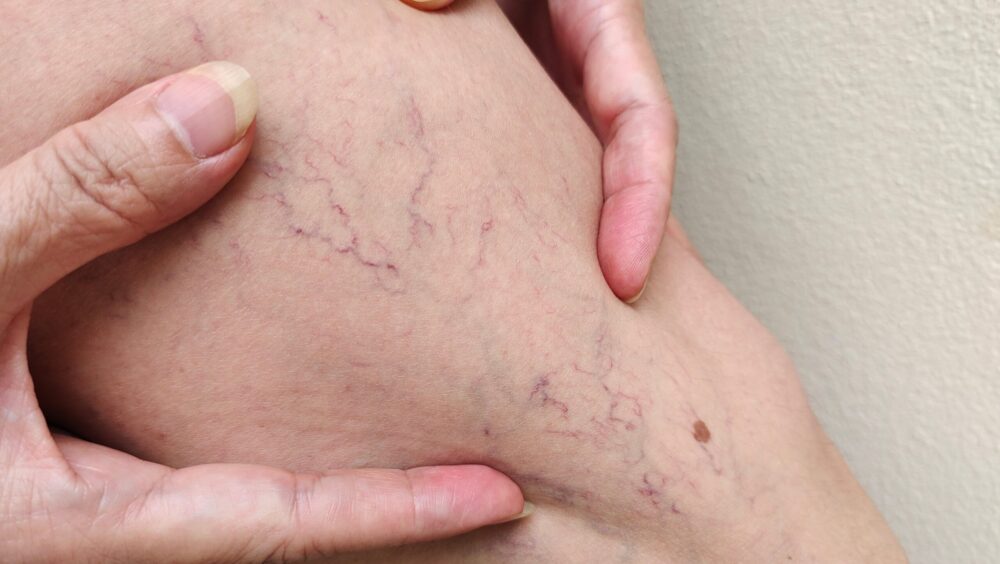
Spider veins are small red, blue, or purple vessels that form fine lines or branching patterns near the skin’s surface. Some patients experience itching, burning, or discomfort, but appearance alone does not establish an underlying circulation problem.
Quick Signs:
- Thin red, blue, or purple veins near the skin’s surface
- Often resemble webs, tree branches, or fine networks
- Usually flat rather than raised
- May cause itching, burning, or mild discomfort
Varicose Veins
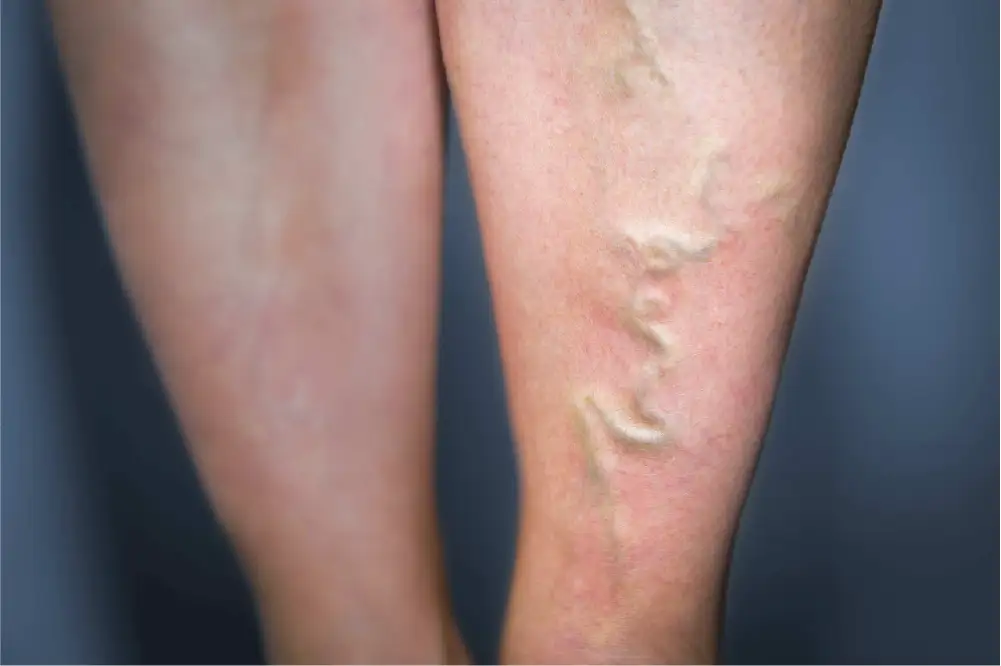
Varicose veins are enlarged, twisting veins that may appear raised, lumpy, or rope-like. They commonly develop in the legs and may occur with aching, heaviness, swelling, or throbbing. Discomfort may become more noticeable after prolonged standing or sitting and improve with elevation.
Quick Signs:
- Bulging, twisted, or rope-like veins
- Raised above the skin’s surface and slightly squishy when you press on them
- Often accompanied by aching, heaviness, or swelling
- Symptoms may worsen after long periods of standing
When Should You Seek Care for Visible Veins?
Visible veins are not always a medical concern, but it may be time to schedule a vein evaluation if they are causing symptoms, becoming more noticeable, or affecting your daily comfort. Early assessment can help determine whether your symptoms are associated with an underlying vein condition.
Consider scheduling a vein evaluation if you experience:
- Aching, heaviness, or fatigue in the legs
- Burning, itching, throbbing, or cramping near visible veins
- Leg swelling that occurs regularly
- Symptoms that worsen after prolonged standing or sitting
- Enlarging or increasingly noticeable veins
- Skin discoloration or skin changes around the ankles or lower legs
When to Seek Urgent Medical Attention
While visible veins alone are not usually an emergency, certain symptoms should be evaluated promptly.
Seek urgent or emergency care for:
- Bleeding from a varicose vein
- A newly hard, tender vein with warmth, redness, or surrounding swelling
- Sudden swelling in one leg accompanied by pain, warmth, or discoloration
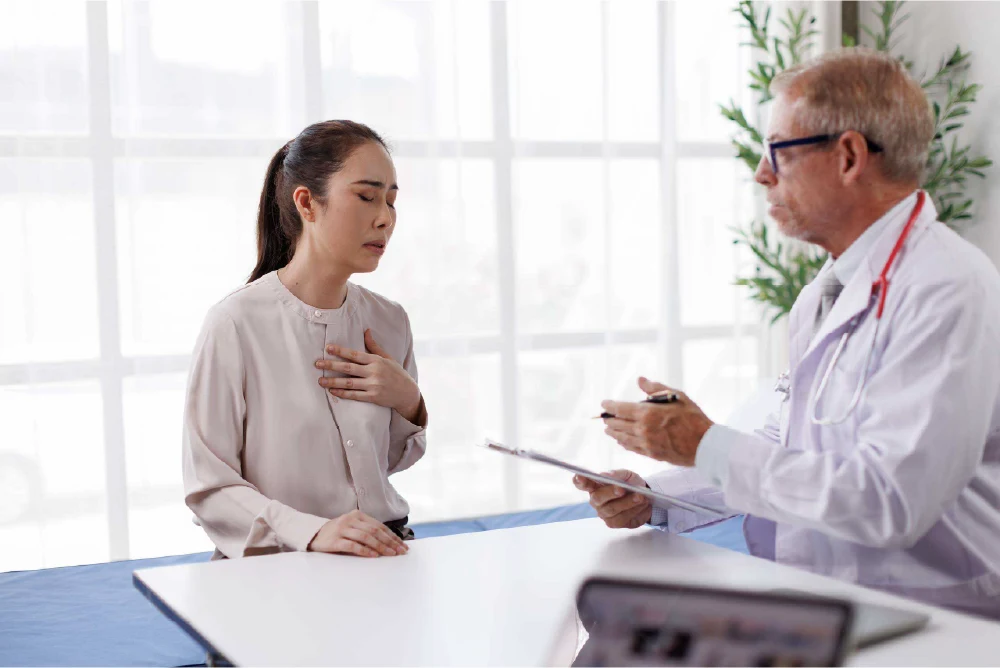
If a varicose vein begins bleeding, elevate the leg and apply firm, direct pressure with a clean cloth while seeking immediate medical attention. Call 911 if bleeding is heavy or uncontrolled, or if symptoms occur with chest pain, difficulty breathing, or fainting.
How Are Visible Veins Diagnosed?
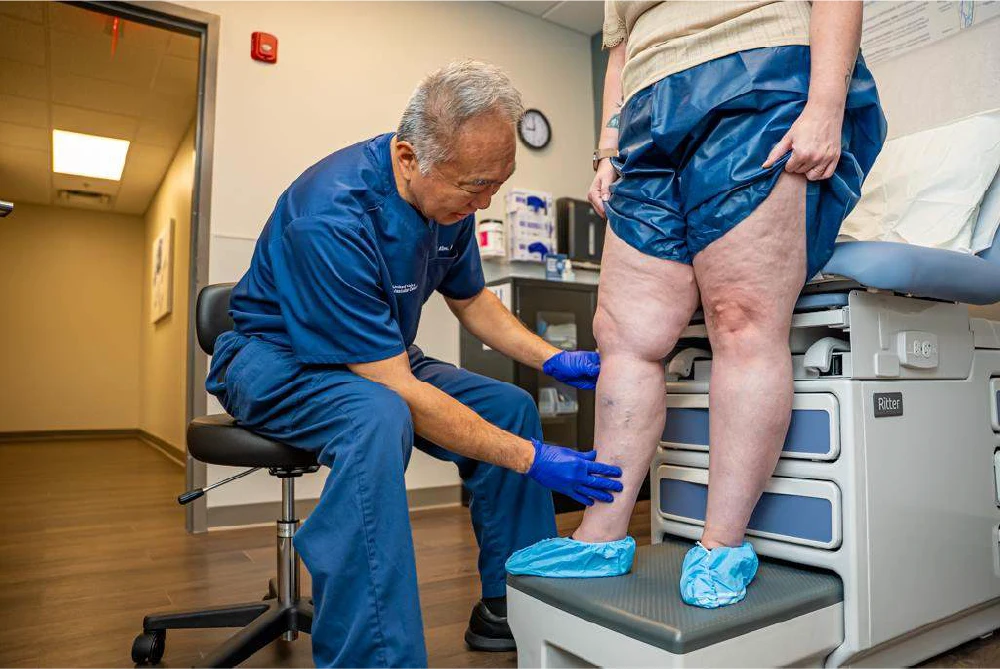
Evaluating visible veins involves more than identifying their size or color. A provider may examine the veins and surrounding skin, ask when the changes first appeared, and review symptoms such as swelling, aching, itching, or heaviness. Your medical history, family history, previous blood clots, and time spent sitting or standing can also help guide the evaluation. When an underlying vein problem is suspected, duplex ultrasound may be recommended to assess blood flow and valve function.
Evaluation may include:
- A review of visible changes, leg symptoms, medical history, and family history
- A physical exam of the legs, veins, surrounding skin, and any swelling
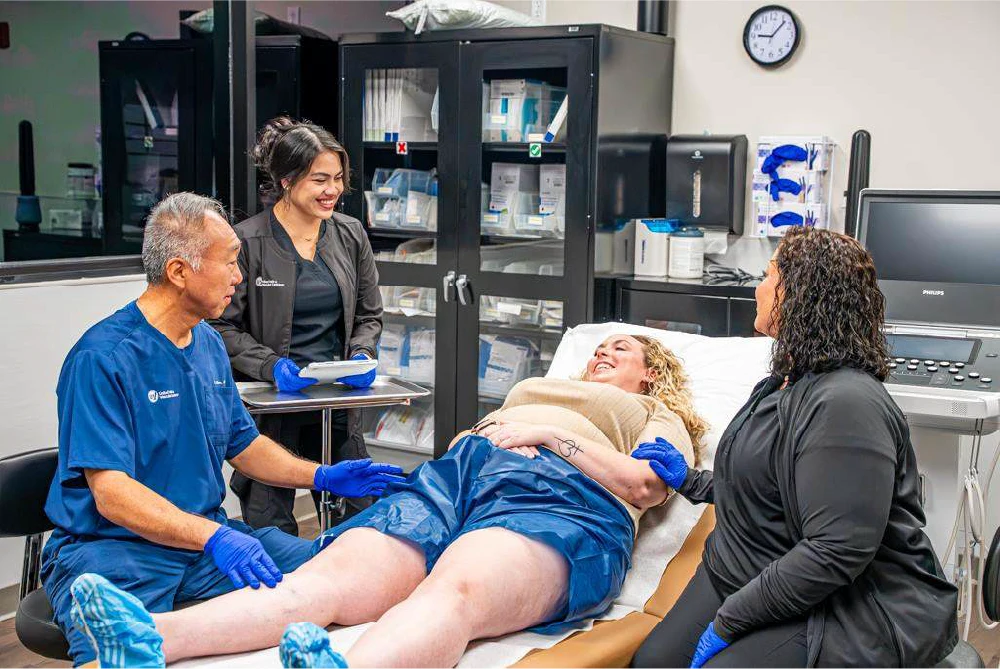
- Duplex ultrasound, when needed, to check for venous reflux or other vein issues
A vein screening is the first step in understanding whether further evaluation is needed. If an ultrasound is recommended, it may be scheduled for a later appointment.
Treatment Options for Visible Veins Caused by Poor Circulation
Treatment for itchy legs depends on what is causing the irritation. Dry skin, eczema, an allergic reaction, or an infection may require skin-directed care from a primary care provider or dermatologist. When vein disease is contributing, recommendations are individualized based on symptoms, medical history, ultrasound findings, vein anatomy, and the condition of the skin. A care plan may include compression therapy, lifestyle recommendations, skin care, or a minimally invasive vein procedure when appropriate.
Options include:
- Compression therapy: Properly fitted compression stockings may help manage cramping and other vein-related symptoms while supporting circulation
- Lifestyle recommendations: Walking, leg elevation, and regular breaks from prolonged sitting or standing may help reduce pressure in the lower legs
- Radiofrequency ablation (RFA): Uses controlled heat to close an affected vein so blood can reroute through healthier veins nearby
- VenaSeal™: Uses a medical adhesive to close an affected vein without heat
- Varithena®: Uses an injectable microfoam to close certain affected veins that are not circulating blood properly
- Ultrasound-guided sclerotherapy: Uses ultrasound imaging to guide a medical solution or foam into an affected vein, causing it to close
These options address different vein problems and are not recommended for all types of visible veins. Treating the underlying vein disease may improve discomfort and some visible changes, but results vary and new veins may develop over time.
Related Articles