
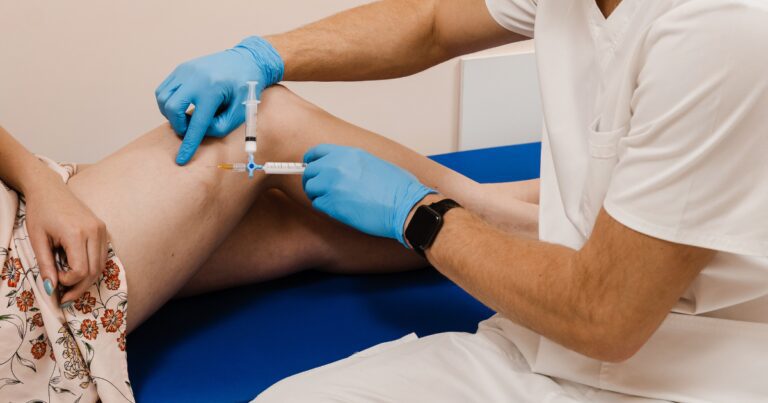
Leg Weakness
Leg weakness can make it harder to stand, climb stairs, maintain balance, or walk comfortably. Some people experience a true loss of muscle strength, while others describe legs that feel tired, heavy, or unsteady. Weakness may affect one or both legs and can have muscular, nerve-related, metabolic, or circulatory causes. Persistent, recurring, or worsening leg weakness should be evaluated to identify what may be contributing.
Symptoms Commonly Associated with Leg Weakness
- Difficulty standing from a chair, climbing stairs, or lifting the foot
- Numbness, tingling, cramping, pain, or problems with balance
- Swelling, heaviness, aching, skin changes, or a cold sensation in the leg or foot
If your legs regularly feel weak, request a vein screening at United Vein & Vascular Centers to learn whether poor circulation and vein disease may be contributing.
Request a Screening

What Causes Weak Legs?
Leg weakness can develop when the muscles are overworked or deconditioned, nerves cannot communicate with the muscles properly, or an underlying health condition affects strength and movement. Reduced arterial blood flow may cause weakness or fatigue during activity. Vein disease more commonly causes heaviness, aching, swelling, and fatigue, which some patients may describe as their legs feeling weak.
Common causes include:
- Muscle fatigue, overuse, or physical deconditioning
- Muscle strain or injury
- Sciatica or another form of nerve compression
- Peripheral neuropathy
- Diabetes-related nerve damage
- Anemia
- Vitamin or electrolyte deficiencies
- Thyroid disorders
- Certain medications
- Varicose veins or chronic venous insufficiency
- Peripheral artery disease (PAD)
- Neurological or muscular conditions
What Does Leg Weakness Feel Like?
Loss of Strength or Control
Difficulty lifting the foot, getting up from sitting, walking up stairs, or keeping the knee from buckling may indicate a muscle or nerve-related problem. Weakness may occur with numbness, tingling, shooting pain, changes in reflexes, or reduced coordination.
Legs That Feel Weak or Shaky
Legs that feel weak or shaky after sitting or standing for long periods of time may be related to poor circulation, especially when symptoms occur with swelling, aching, or visible veins. Weakness that begins during walking and improves with rest may be associated with reduced arterial blood flow.
When to Seek Care for Leg Weakness
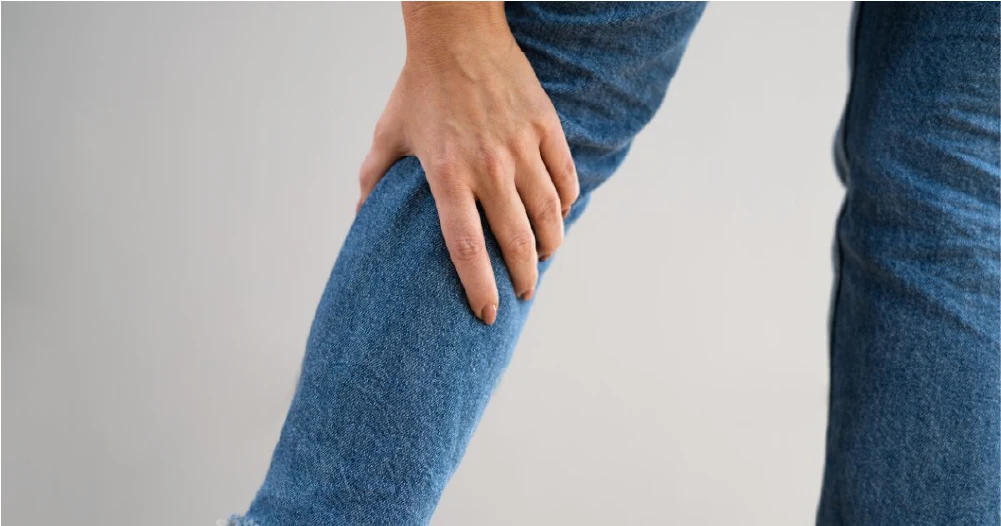
Occasional leg weakness can happen for many reasons, including fatigue, overexertion, or prolonged inactivity. However, weakness that is persistent, keeps returning, or occurs along with other leg symptoms may warrant a medical evaluation.
Schedule an evaluation if your leg weakness:
- Occurs regularly or becomes more noticeable over time
- Is accompanied by leg swelling, aching, heaviness, cramping, or throbbing
- Develops or worsens after long periods of sitting or standing
- Occurs along with visible varicose veins or changes in the skin around the lower legs or ankles
- Makes walking, climbing stairs, standing, or completing normal daily activities more difficult
- Improves when you elevate your legs or after resting
Because leg weakness can have many possible causes, a United Vein & Vascular Centers vein specialist can evaluate your symptoms and determine whether poor circulation, a nerve or muscle problem, medication, or another condition may be contributing.
If your symptoms occur alongside other signs of chronic venous insufficiency, such as swelling, heaviness, aching, or varicose veins, a vein evaluation may help determine whether poor circulation is playing a role.
Sudden leg weakness, especially with facial drooping, difficulty speaking, severe pain, numbness, or a cold or pale leg, requires immediate medical attention.
How Is Leg Weakness Due to Poor Circulation Diagnosed?
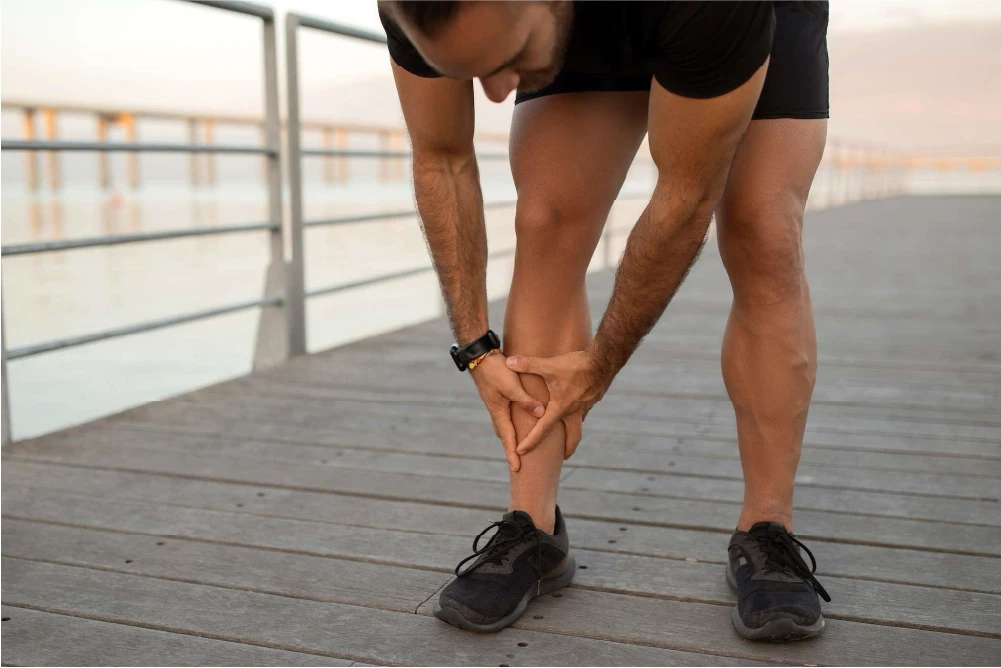
Evaluating leg weakness begins with understanding what the patient means by “weak.” A provider may ask whether the problem involves a loss of strength, heaviness, fatigue, unsteadiness, or reduced walking endurance. The timing also matters, including whether symptoms began after an injury, worsen with activity, follow a particular position, or become more noticeable after prolonged sitting or standing.
Evaluation may include:
- A review of symptoms, medical history, medications, activity level, and the pattern of weakness
- A physical examination of muscle strength, walking, balance, reflexes, sensation, pulses, temperature, swelling, and visible veins
- Bloodwork when anemia, vitamin deficiencies, electrolyte changes, or another metabolic cause is suspected
- Nerve testing or spinal imaging when symptoms suggest neuropathy or nerve compression
- Arterial circulation testing when weakness occurs during walking or with a cold, pale, or numb foot
- Duplex ultrasound when swelling, heaviness, aching, skin changes, or other symptoms suggest a vein-related cause
The findings can help determine whether vein care or another type of medical evaluation is the appropriate next step.
Treatment Options for Leg Weakness
Treatment for leg weakness depends on its underlying cause. Muscle injuries, nerve conditions, anemia, medication effects, and arterial circulation problems require different approaches. When vein disease contributes to weak feeling legs, treatment may focus on managing symptoms and addressing affected veins that are causing poor circulation.
Vein-related treatment options may include:
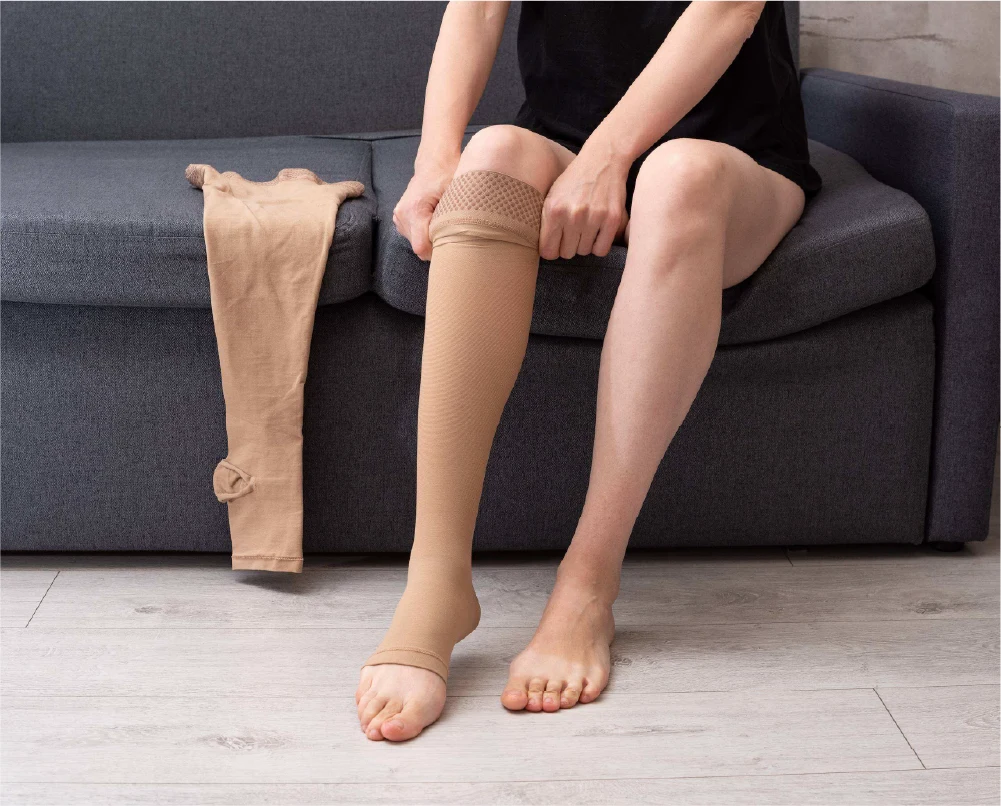
- Compression therapy: Properly fitted compression stockings may help manage swelling and other venous symptoms when a provider determines they are appropriate.
- Lifestyle recommendations: Walking, leg elevation, and regular breaks from prolonged sitting or standing may help manage vein-related discomfort.
- Radiofrequency ablation (RFA): Uses controlled heat to close an affected vein so blood can reroute through healthier veins nearby.
- VenaSeal™: Uses a medical adhesive to close an affected vein without heat.
- Varithena®: Uses an injectable microfoam to close certain affected veins.
- Ultrasound-guided sclerotherapy: Uses ultrasound imaging to guide a medical solution or foam into a targeted vein, causing it to close.
Treating an underlying vein problem may help reduce leg weakness. It will not correct muscle weakness caused by a separate nerve, muscle, or medical condition.
Related Articles
