
Venous Stasis Dermatitis
What is Venous Stasis Dermatitis?
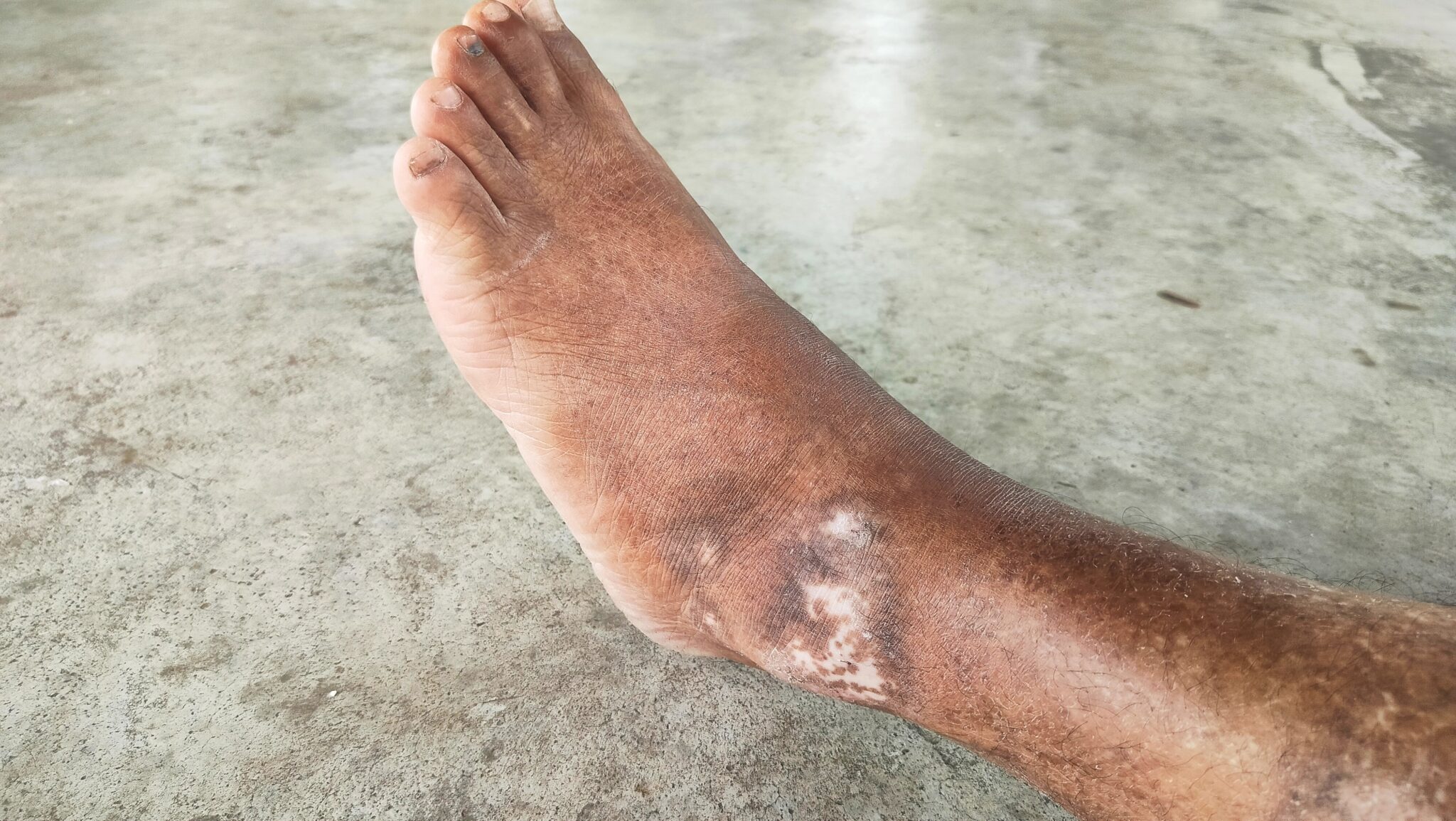
Venous stasis dermatitis is a skin condition that develops when blood does not circulate properly through the veins of the legs. It most often affects the lower legs and ankles and is commonly linked to underlying vein disease, particularly chronic venous insufficiency (CVI).
While the condition often begins with mild skin irritation, it can worsen over time without proper evaluation and treatment. Early care is key to protecting both your skin and vein health.
Common symptoms include:
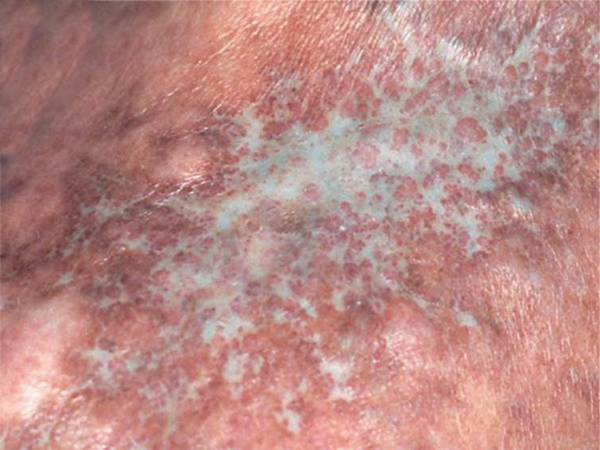
- Red, itchy, or inflamed skin around the ankles or lower legs
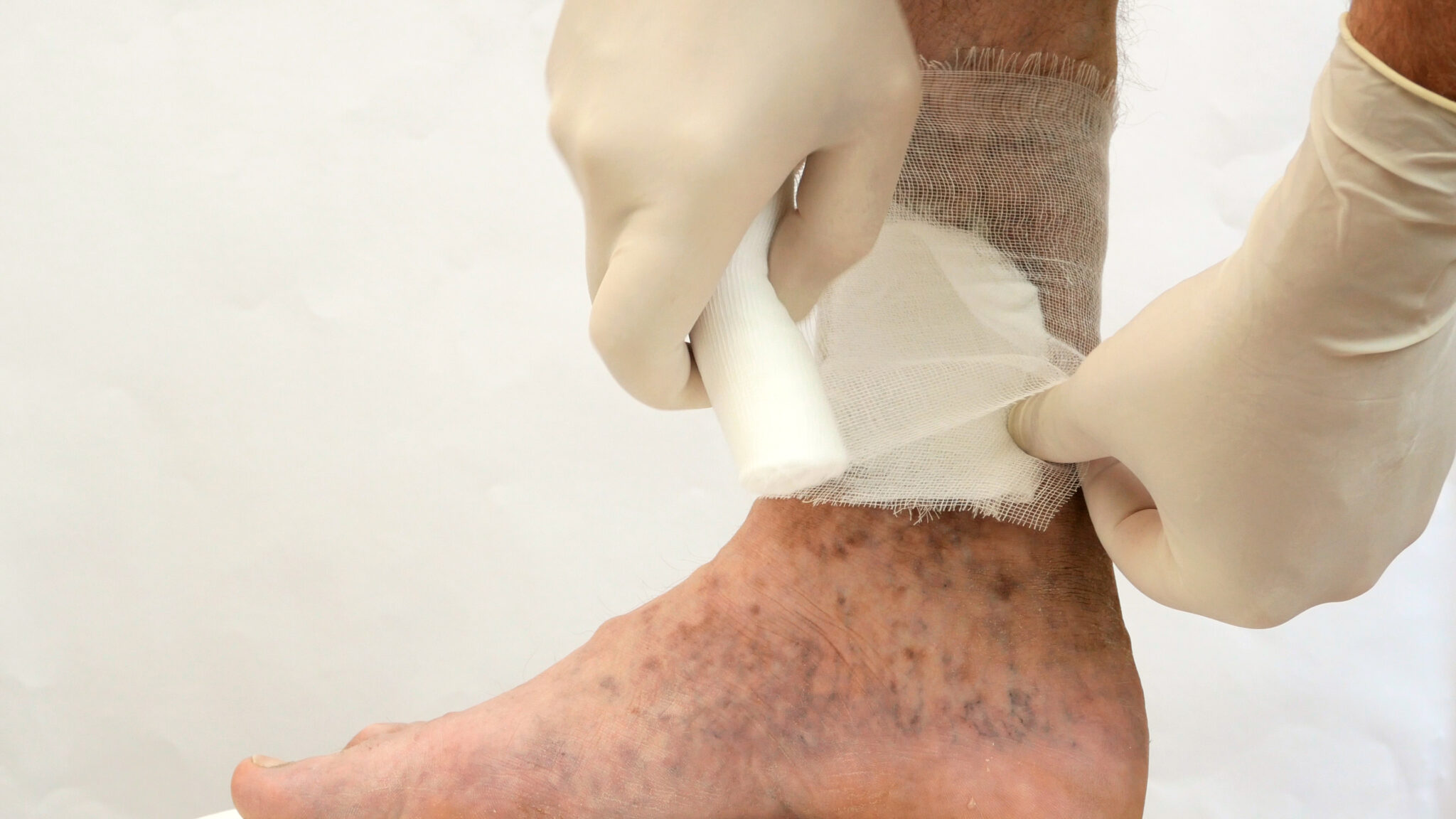
- Brown or purple discoloration of the skin
- Dry, flaky, or thickened skin
- Persistent leg swelling
- Tenderness or aching in the legs
- Oozing or crusting skin in more advanced cases
Over time, untreated venous stasis dermatitis can lead to skin breakdown and venous leg ulcers. If you suspect you may have venous stasis dermatitis, please call us today to schedule a consultation with our board-certified vein specialists.
Request a Consultation
What Causes Venous Stasis Dermatitis?
Healthy leg veins rely on one-way valves to move blood back to the heart. When these valves weaken or fail, blood can pool in the lower legs. This increased pressure causes fluid and inflammatory substances to leak into surrounding tissues, leading to skin irritation and visible changes.
Venous stasis dermatitis is typically caused by:
- Chronic venous insufficiency
- Long-standing varicose veins
- A history of leg swelling or blood clots
- Prolonged sitting or standing
- Age-related vein changes
Is Venous Stasis Dermatitis Serious?
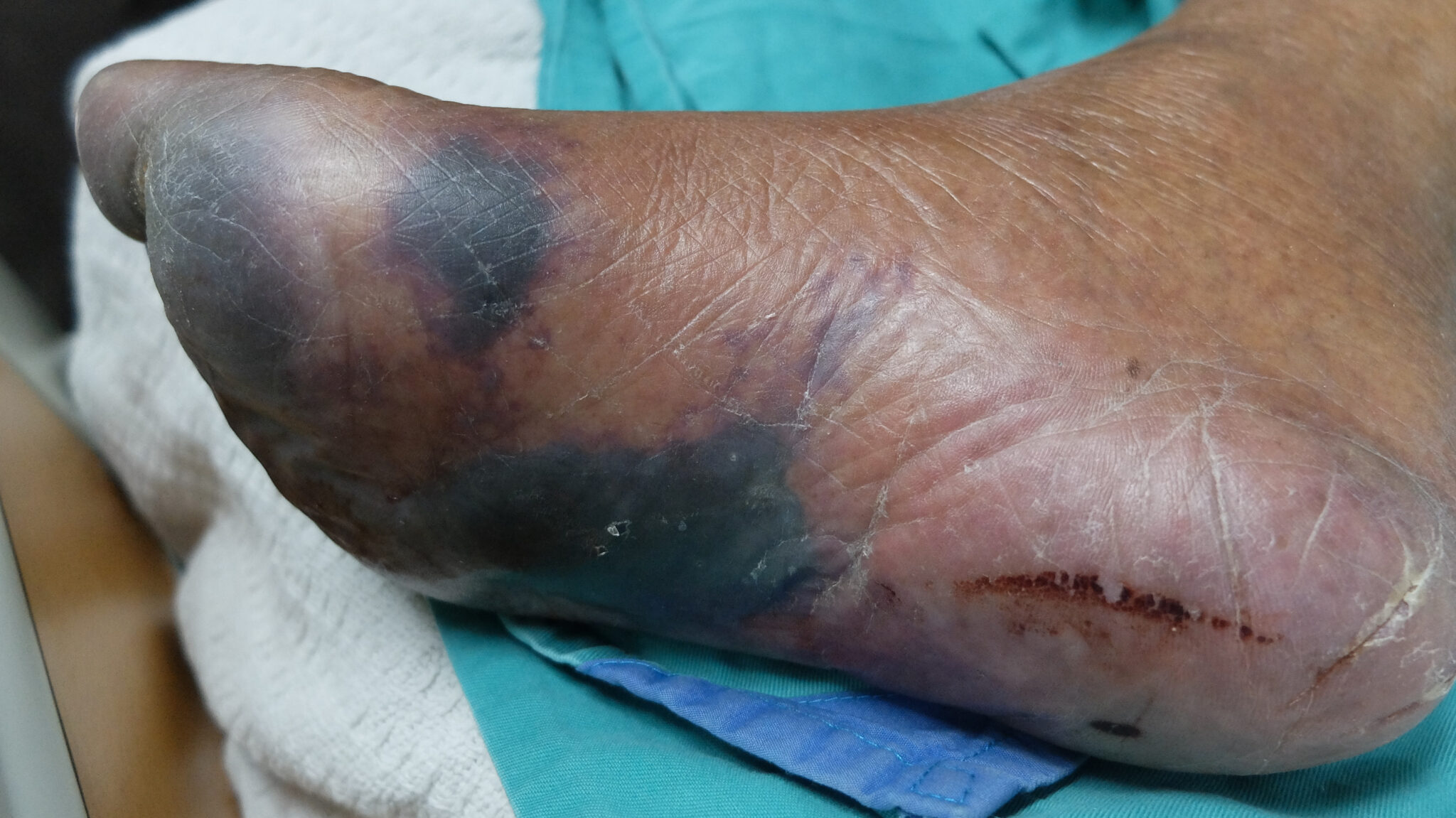
While not life-threatening, venous stasis dermatitis should not be ignored. The condition signals ongoing circulation problems that can worsen if left untreated. Without proper vein care, patients may experience:
- Chronic skin inflammation
- Recurrent skin infections
- Open sores or non-healing ulcers
- Permanent skin discoloration
Treating the underlying vein condition is the most effective way to prevent progression.
How Venous Stasis Dermatitis Is Diagnosed?
Diagnosis begins with a physical examination of the legs, along with a review of symptoms and medical history. Because the condition is closely tied to vein health, a venous ultrasound is often used to evaluate blood flow and identify valve dysfunction or reflux.
This imaging allows providers to determine whether vein disease is contributing to skin changes and helps guide appropriate treatment.
Treatment Options for Venous Stasis Dermatitis
Relief depends on addressing both skin symptoms and the underlying vein problem.
Conservative Management
- Compression therapy to reduce swelling
- Elevating the legs throughout the day
- Gentle skin care and moisturizing
- Avoiding prolonged standing or sitting
Treating the Underlying Vein Disease
When venous insufficiency is present, minimally invasive vein treatments may be recommended to improve circulation and reduce pressure in the legs. Treating the root cause often leads to significant improvement in skin symptoms and helps prevent recurrence.

When to See a Vein Specialist
If you notice persistent leg swelling, skin discoloration, itching, or irritation that does not improve, it may be time for a vein evaluation. Early intervention can help prevent skin damage and protect long-term leg health.
At United Vein & Vascular Centers, our specialists focus on diagnosing and treating the vein conditions that lead to venous stasis dermatitis using advanced, outpatient techniques designed to restore healthy circulation.
Related Articles


Frequently Asked Questions
Venous stasis dermatitis cannot be fixed, but it can usually be controlled and improved by treating both the skin and the underlying vein problem. The first step is scheduling a consultation with a board-certified vein specialist.
Venous stasis dermatitis itself is usually a chronic condition due to the underlying vein disease, but many of its symptoms can be significantly improved and sometimes almost completely quieted with minimally invasive vein treatments and skin care.
Yes. Walking is good for venous stasis dermatitis because it helps improve the underlying vein disease that causes it.