
Plantar Fasciitis Embolization (PFE) for Heel Pain Relief
If chronic heel pain from plantar fasciitis hasn’t improved with rest, stretching, physical therapy, or other conservative treatments, plantar fasciitis embolization (PFE) may be the right option for you. At United Vein & Vascular Centers, our specialists evaluate persistent heel pain and determine whether PFE is an appropriate treatment.
Plantar fasciitis is one of the most common causes of chronic heel pain and can make everyday activities like walking, standing, exercising, or taking your first steps in the morning painful.
Plantar fasciitis embolization is a minimally invasive image-guided procedure designed to reduce abnormal blood vessel growth associated with chronic inflammation, helping relieve heel pain while preserving the plantar fascia.
Request a consultation with a board-certified specialist today and find relief sooner.

Request a Consultation
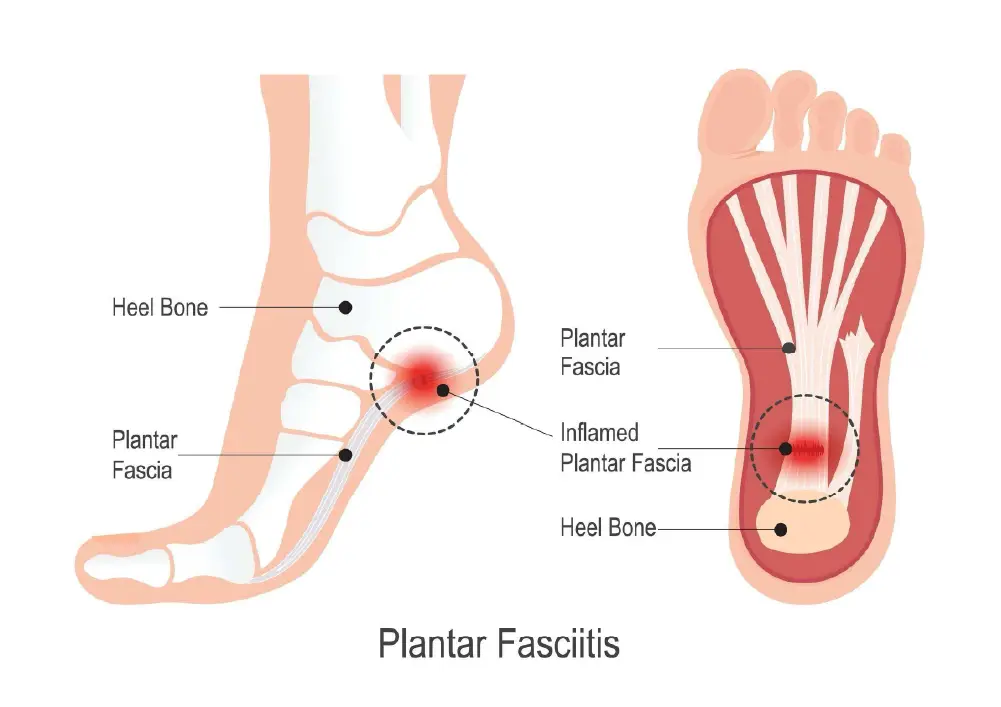
What Is Plantar Fasciitis?
Plantar fasciitis is a condition that affects the plantar fascia, the strong band of tissue that runs from the heel to the toes along the bottom of the foot. This tissue supports the arch of the foot and helps absorb pressure during movement.
When the plantar fascia becomes strained, irritated, or inflamed, it can cause pain near the heel or along the bottom of the foot. The pain may develop gradually and become more noticeable during certain parts of the day, especially after rest or prolonged activity.
Although plantar fasciitis is often associated with runners and athletes, it can affect anyone, especially people who spend long hours on their feet or regularly place stress on the heel and arch.

Common Symptoms of Plantar Fasciitis
The most common symptom of plantar fasciitis is heel pain. For many people, the pain is most noticeable during the first few steps in the morning or after sitting for a long period.
Symptoms may include:
- Sharp, stabbing, or aching pain near the bottom of the heel
- Pain with the first steps after waking up
- Heel discomfort after sitting or resting
- Pain that worsens after prolonged standing
- Discomfort after walking, running, or exercise
- Tenderness along the bottom of the foot
- Tightness in the arch, heel, or calf
- Difficulty staying active because of foot pain
Some patients notice that the pain improves once they begin moving, but returns after activity or later in the day.

What Causes Plantar Fasciitis?
Plantar fasciitis often develops when repeated stress places strain on the plantar fascia. Over time, this strain can lead to irritation, inflammation, and pain.
Common contributing factors include:
- Standing for long periods of time
- Walking or running on hard surfaces
- Sudden increases in activity
- Wearing shoes without enough support
- Tight calf muscles or Achilles tendon tightness
- Flat feet or high arches
- Excess pressure on the heel
- Repetitive movement from work, sports, or exercise
Plantar fasciitis may also develop without one clear cause. A thorough evaluation can help determine what may be contributing to your symptoms.
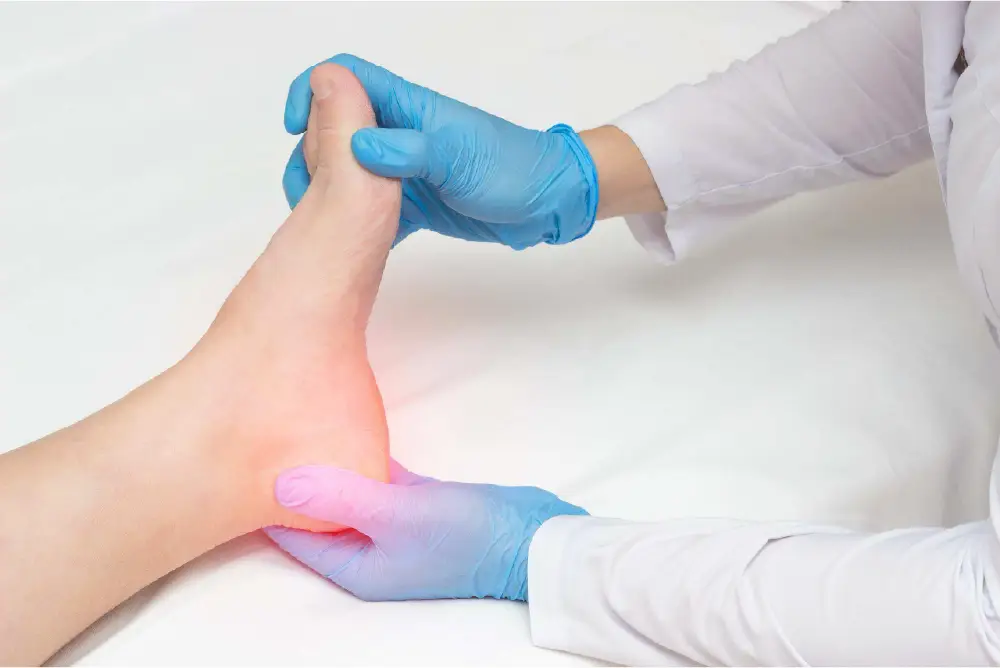
How Plantar Fasciitis Is Diagnosed
A plantar fasciitis evaluation usually begins with a discussion of your symptoms, medical history, activity level, and previous treatments. Your provider may ask where the pain is located, when it occurs, how long it has been present, and what makes it better or worse.
An evaluation may include:
- A physical exam of the foot and heel
- Review of symptom location and severity
- Discussion of footwear, activity level, and daily routine
- Review of previous treatments
- Assessment of flexibility, tenderness, and range of motion
Because heel pain can have several possible causes, an accurate diagnosis is important. Conditions such as tendon problems, arthritis, stress injuries, nerve irritation, or circulation concerns can sometimes cause similar symptoms.

Other Plantar Fasciitis Treatment Options
Treatment for plantar fasciitis depends on the severity of your symptoms, how long you have had pain, and what may be contributing to the condition. Many patients begin with conservative care before considering additional options.
Common approaches may include:
- Stretching exercises
- Physical therapy
- Supportive footwear
- Orthotics or heel cups
- Activity modification
- Ice therapy
- Anti-inflammatory medication when appropriate
- Night splints
- Injections in select cases
For some patients, chronic plantar fasciitis does not improve with conservative care alone. When heel pain continues to affect walking, standing, work, or daily activity, a specialist may recommend further evaluation to determine whether an advanced treatment option may be appropriate.

Plantar Fasciitis Embolization for Chronic Heel Pain
Plantar fasciitis embolization is a minimally invasive vascular procedure for select patients with chronic plantar fasciitis that has not improved with conservative care. It may be an option for people who continue to have heel pain after trying treatments such as stretching, supportive footwear, physical therapy, medications, or injections.
In some chronic cases, small blood vessels near the plantar fascia may continue to contribute to inflammation. During plantar fasciitis embolization, a physician uses image guidance to carefully direct a thin catheter through the blood vessels toward the source of irritation in the foot. Once the targeted vessels are reached, tiny particles are placed to reduce the blood flow contributing to inflammation.
The procedure does not remove the plantar fascia or require open surgery. Instead, it is designed to treat one of the factors that may be keeping the area irritated. By reducing inflammation at the source, plantar fasciitis embolization may help relieve heel pain and make daily movement more comfortable over time.
Because every case of plantar fasciitis is different, your provider will review your symptoms, prior treatments, and overall health to determine whether plantar fasciitis embolization may be appropriate for you.
Benefits & What to Expect After PFE
For appropriate candidates, plantar fasciitis embolization may offer another option when chronic heel pain has not improved with standard care.
Potential benefits may include:
- No open surgery
- No large incision
- Image-guided precision
- Outpatient treatment setting
- Targeted treatment of inflammation-related blood flow
- Reduced downtime compared with more invasive procedures
- Potential improvement in heel pain and daily mobility
Not every patient with plantar fasciitis will need plantar fasciitis embolization. Your provider will review your condition and recommend a care plan based on your individual needs.
Plantar fasciitis embolization is typically performed in an outpatient setting, meaning most patients return home the same day.
After the procedure, your care team will provide instructions for caring for the small access site, managing activity, and easing back into your normal routine.Recovery can vary from patient to patient. Some people may experience mild soreness, bruising, or tenderness near the access site.
Your provider may recommend avoiding strenuous activity for a short period while continuing to wear supportive footwear and following any personalized recovery instructions.Improvement may happen gradually as inflammation decreases over time. Follow-up care allows your provider to monitor your symptoms, answer questions, and help determine how your foot is responding after treatment.
Take the First Step Toward Relief from Chronic Heel Pain
If chronic heel pain from plantar fasciitis is limiting your life, PFE may be the non-surgical solution you’ve been searching for.
Find a clinic near you today to find out if PFE is right for your chronic heel pain.