

Foot & Leg Cramps
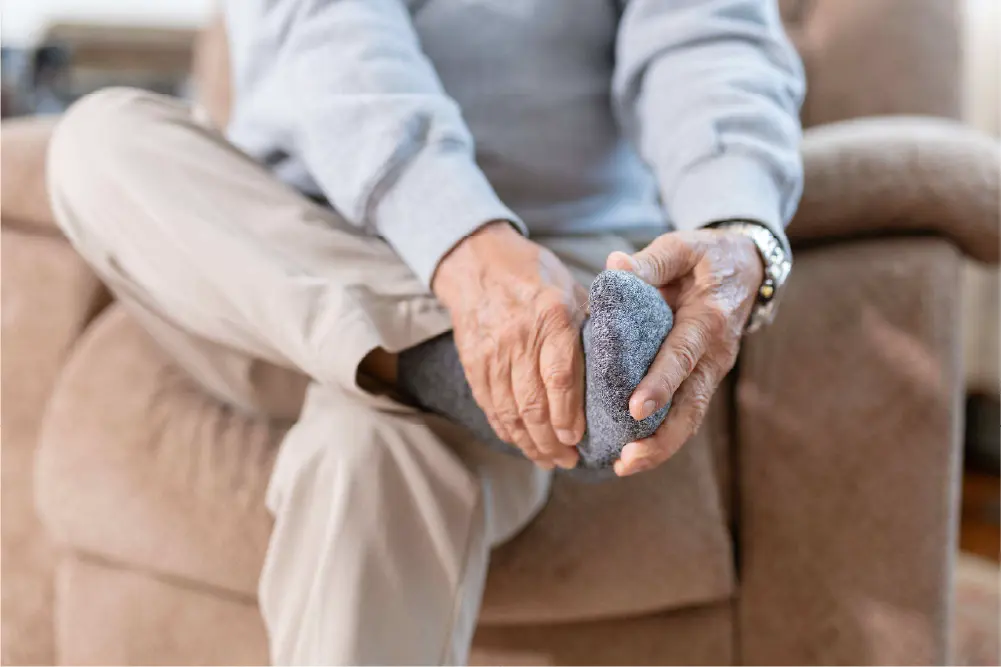
Foot and leg cramps are sudden, involuntary muscle contractions that can cause tight, sharp, or knotting pain in the feet, calves, or thighs. They may occur during activity, after exercise, while resting, or at night. Occasional cramps are common, but cramps that persist, regularly return, interrupt sleep, limit walking, or occur with swelling, heaviness, skin changes, numbness, or weakness should be evaluated to determine whether circulation or another health issue may be contributing.
Symptoms That May Occur with Foot & Leg Cramps
- Sudden tightening, knotting, or sharp pain in a muscle
- Muscle tenderness or soreness after the cramp releases
- Swelling, heaviness, aching, visible veins, numbness, or tingling
If unexplained foot or leg cramps persist or keep returning, don’t wait. Request a vein screening at United Vein & Vascular Centers today.
Wniosek o badanie przesiewowe
What Causes Foot & Leg Cramps?
Foot and leg cramps occur when muscles contract suddenly and do not relax right away. They can follow muscle overuse, dehydration, or changes in electrolyte levels, but may also be connected to medications, nerve conditions, or circulation problems. When vein disease is contributing, cramping may occur with swelling, heaviness, aching, or other symptoms that worsen after prolonged sitting or standing. Because cramps have many possible causes, their timing and accompanying symptoms can help guide the type of evaluation needed.
Common causes include:
- Muscle fatigue or overuse
- Muscle strain or injury
- Odwodnienie
- Changes in electrolyte levels
- Długotrwałe siedzenie lub stanie
- Ciąża
- Certain medications
- Nerve compression or peripheral neuropathy
- Żylaki
- Chronic venous insufficiency or venous reflux
- Peripheral artery disease (PAD)
An evaluation can help identify why cramps are occurring and determine whether vein care or another type of medical care may be appropriate.
Could Your Leg Cramps Be Related to Poor Circulation?
Common Causes of Leg Cramps
Cramps that follow exercise, heat exposure, heavy sweating, or muscle overuse may be related to fatigue, dehydration, or changes in electrolyte levels. Cramping may also occur after an injury, with certain medications, or alongside a nerve condition.
When Leg Cramps May Signal a Circulation Problem
Nighttime cramps that occur with swelling, aching, heaviness, or visible veins may be associated with vein disease. Cramping in the calf, thigh, or foot during walking that consistently improves with rest may be connected to an arterial circulation problem, such as peripheral artery disease.
When to Seek Immediate Care
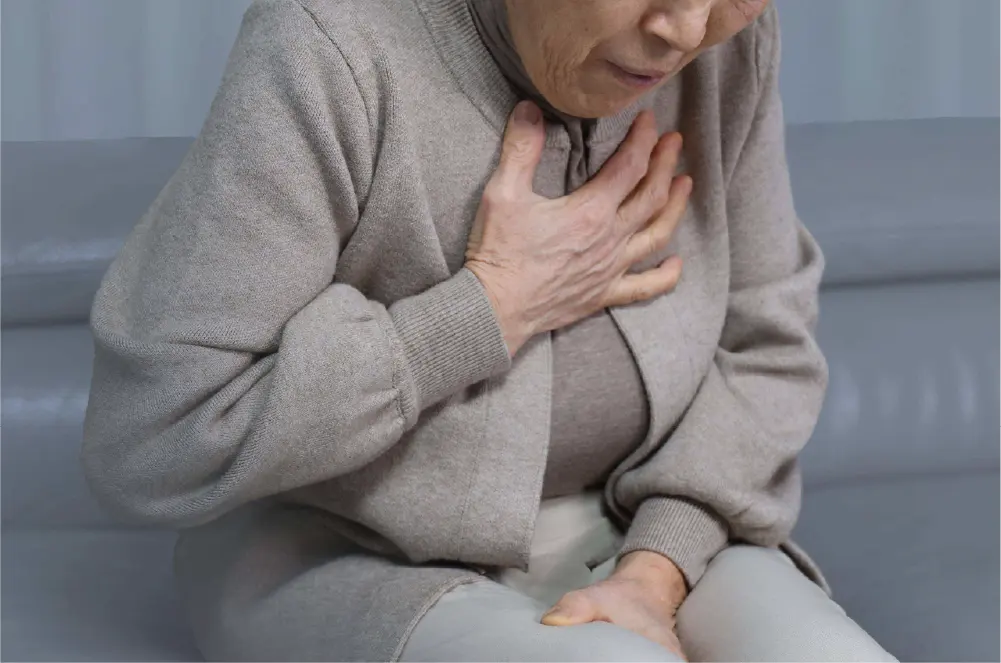
Most muscle cramps are not emergencies, but certain symptoms require prompt medical attention. Sudden cramping or pain in one leg with swelling, warmth, redness, or discoloration may be a sign of deep vein thrombosis (DVT). Cramping accompanied by chest pain, difficulty breathing, fainting, or coughing up blood may indicate a pulmonary embolism. Sudden severe pain or cramping with a pale, cold, numb, or weak foot or leg may signal a serious loss of arterial blood flow.
Seek urgent or emergency care for:
- Sudden cramping or pain in one leg with swelling, warmth, redness, tenderness, or discoloration
- Foot or leg cramps accompanied by chest pain, difficulty breathing, fainting, a rapid heartbeat, or coughing up blood
- Sudden severe pain or cramping accompanied by a pale, cold, numb, or weak foot or leg
Seek immediate medical attention for these symptoms, and call 911 for chest pain, breathing difficulty, fainting, or other signs of a medical emergency.
How Are Foot & Leg Cramps Diagnosed?
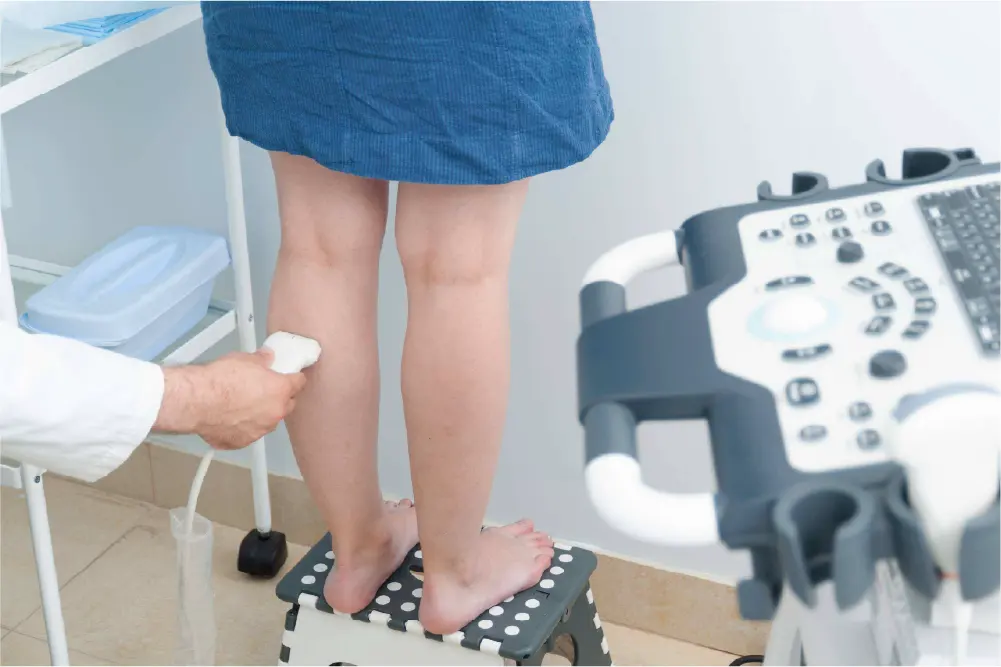
Determining the cause of foot and leg cramps begins with when they occur, how long they last, and what other symptoms accompany them. A provider may ask whether the cramps develop during activity or rest, affect one or both legs, interrupt sleep, or improve with movement or elevation. An examination may assess muscle tenderness, swelling, skin changes, temperature, pulses, and visible veins. If a vein-related cause is suspected, duplex ultrasound may be recommended to evaluate blood flow and vein valve function.
Evaluation may include:
- A review of symptoms, medical history, medications, activity level, hydration, and the timing and pattern of cramps
- A physical examination of the feet and legs, including the muscles, skin, temperature, pulse, swelling, and visible veins
- Duplex ultrasound when a vein-related cause is suspected, with bloodwork or other testing when appropriate
These findings can help determine whether vein care or another type of medical evaluation may be needed.

Treatment Options for Foot and Leg Cramps Due to Vein Disease
Treatment for foot and leg cramps depends on their underlying cause. When vein disease is contributing, recommendations are individualized based on symptoms, medical history, ultrasound findings, and vein anatomy. A care plan may include properly fitted compression therapy, walking, leg elevation, and breaks from prolonged sitting or standing. If affected veins are contributing to recurring cramps, a minimally invasive vein procedure may be recommended to close the vein so blood can reroute through healthier vessels nearby.
Vein-related treatment options may include:
- Compression therapy: Properly fitted compression stockings may help manage cramping and other vein-related symptoms while supporting circulation.
- Lifestyle recommendations: Walking, leg elevation, and regular breaks from prolonged sitting or standing may help manage symptoms.
- Radiofrequency ablation (RFA): Uses controlled heat to close an affected vein so blood can reroute through healthier veins nearby.
- VenaSeal™: Uses a medical adhesive to close an affected vein without heat.
- Varithena®: Uses an injectable microfoam to close certain affected veins that are not circulating blood properly.
- Ultrasound-guided sclerotherapy: Uses ultrasound imaging to guide a medical solution or foam into an affected vein, causing it to close.
Treating an underlying vein problem may help reduce cramping and related leg symptoms, but individual results vary.
Powiązane artykuły