Radiofrequency Ablation (RFA) Treatment
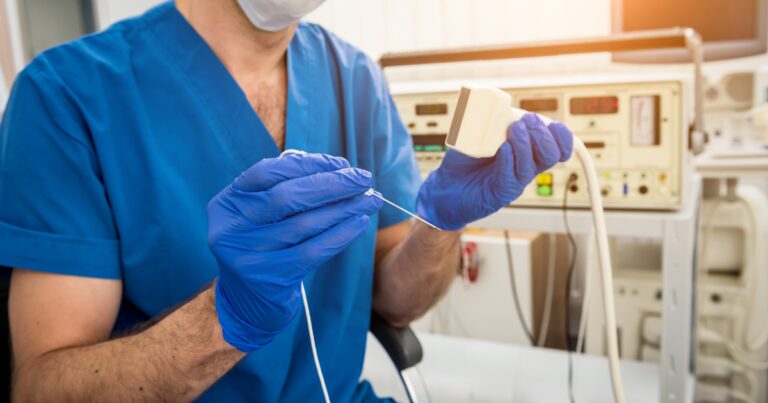
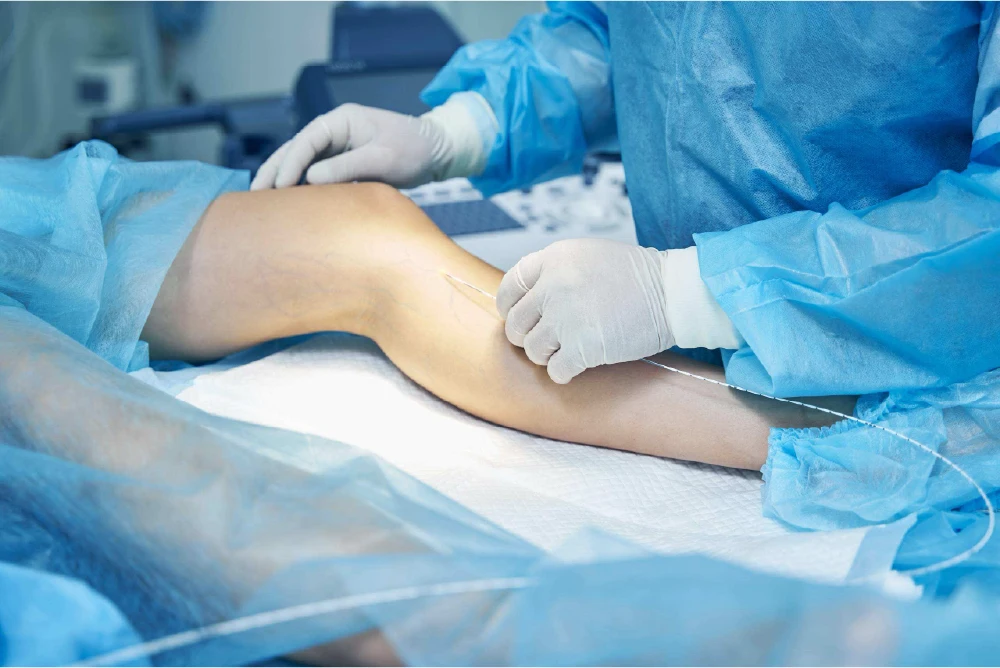
Radiofrequency ablation (RFA) is a minimally invasive thermal ablation vein treatment used to close superficial veins affected by venous reflux. During the procedure, a physician guides a thin catheter into the affected vein and delivers controlled radiofrequency energy. The resulting heat causes the vein walls to contract and seal, allowing blood to reroute through healthier veins.
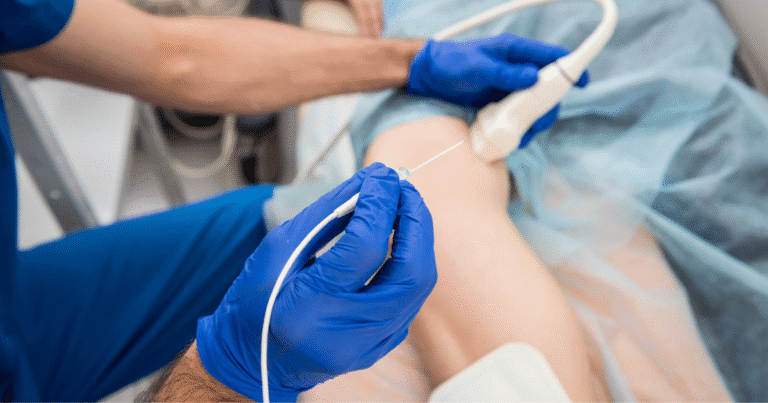
RFA is performed using ultrasound guidance and local anesthesia. Tumescent anesthesia is placed around the treatment area to improve comfort and protect the surrounding tissue from heat. Most patients can walk immediately after the procedure and return to many of their usual activities within a short period.
Radiofrequency ablation may be recommended for select patients experiencing leg pain, heaviness, swelling, fatigue, cramping, skin changes, or visible varicose veins. A vein screening and diagnostic ultrasound can help determine whether RFA vein treatment is for you. Request a screening now to get started.
Request a Screening
What Is Thermal Ablation?
Thermal ablation is the general name for vein treatments that use controlled heat to close an unhealthy vein. Radiofrequency ablation is a specific type of thermal ablation that uses radiofrequency energy to heat and seal the vein from within.
Thermal ablation differs from non-thermal treatments such as cyanoacrylate closure, which uses medical adhesive rather than heat to seal the vein. The appropriate method depends on the patient’s vein anatomy, medical history, symptoms, and treatment plan.
What Does RFA Treat?
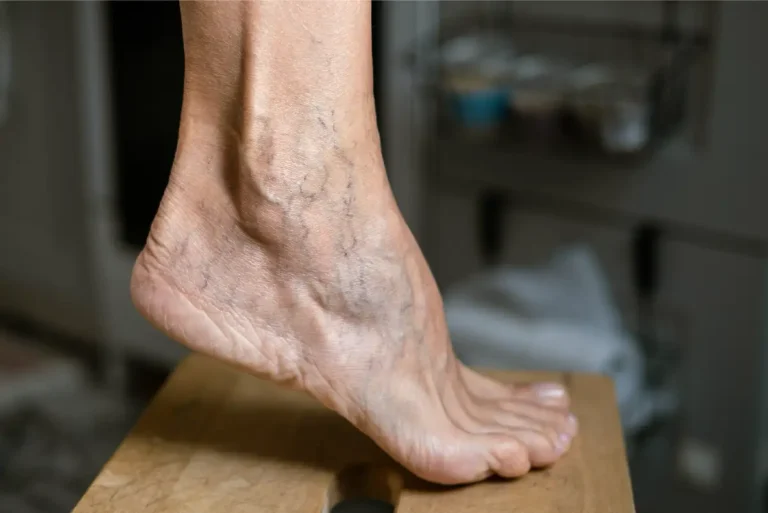
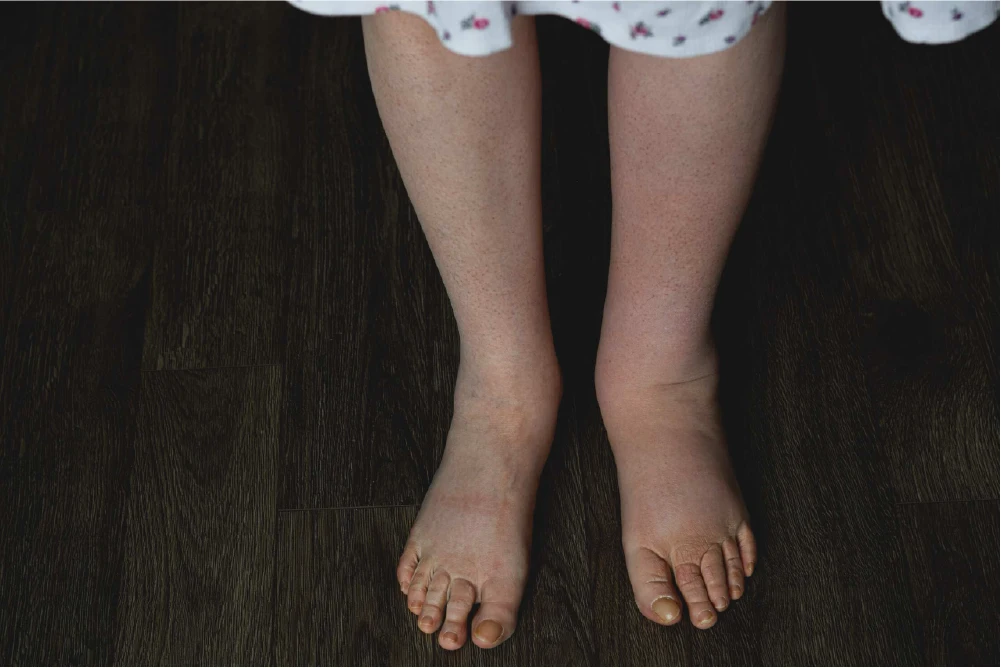
Radiofrequency ablation is primarily used to treat venous reflux, a condition in which damaged vein valves allow blood to flow backward and collect in the legs. Venous reflux can contribute to chronic venous insufficiency and the development of varicose veins.
RFA may be considered for patients experiencing:
- Aching or throbbing leg pain
- Ciężkość lub zmęczenie nóg
- Obrzęk podudzi lub kostek
- Burning, itching, or cramping
- Restless or uncomfortable legs
- Visible or bulging varicose veins
- Przebarwienia lub zmiany tekstury skóry
- Symptoms that worsen after prolonged sitting or standing
These symptoms can have several possible causes. A vein screening may help identify concerns, but a diagnostic duplex ultrasound is generally needed at a later appointment to confirm venous reflux and develop a treatment plan.

What to Expect During RFA Treatment
RFA is performed through a small catheter rather than a surgical incision.
During the procedure:
1. The physician identifies the affected vein using ultrasound imaging.
2. A small access point is created in the skin.
3. A thin catheter is guided into the vein.
4. Tumescent local anesthesia is placed around the treatment area.
5. The catheter delivers controlled radiofrequency energy in targeted sections.
6. The heat causes the vein walls to contract and close.
7. The catheter is removed, and the access point is covered with a small bandage.
Blood then reroutes through nearby veins that are functioning properly. The procedure is typically performed in an outpatient setting without general anesthesia or a hospital stay.
Benefits of RFA Vein Treatment
- Minimally invasive treatment, no surgery
- Performed with local anesthesia for comfort
- Ultrasound-guided catheter placement
- Small catheter access point
- Procedura ambulatoryjna
- Brief recovery for many patients
- Improved circulation through healthier veins
- Relief from vein-related symptoms for appropriate candidates

Recovery After RFA Treatment
Patients are generally encouraged to walk shortly after radiofrequency ablation. A compression stocking or bandage may be recommended for a specific period based on the physician’s instructions.
Many patients return to work and routine activities soon after treatment, although they may need to temporarily limit strenuous exercise, heavy lifting, prolonged sitting, and extended travel. Follow-up ultrasound imaging may be scheduled to confirm that the treated vein has closed and to monitor recovery.
Temporary tenderness, bruising, redness, mild swelling, numbness, or tingling may occur. Some patients also notice a pulling or tight sensation or firm areas beneath the skin as the vein closes. These effects often improve as the area heals. Patients should follow their care team’s instructions and report symptoms that are severe, worsening, or unexpected.
Powiązane artykuły