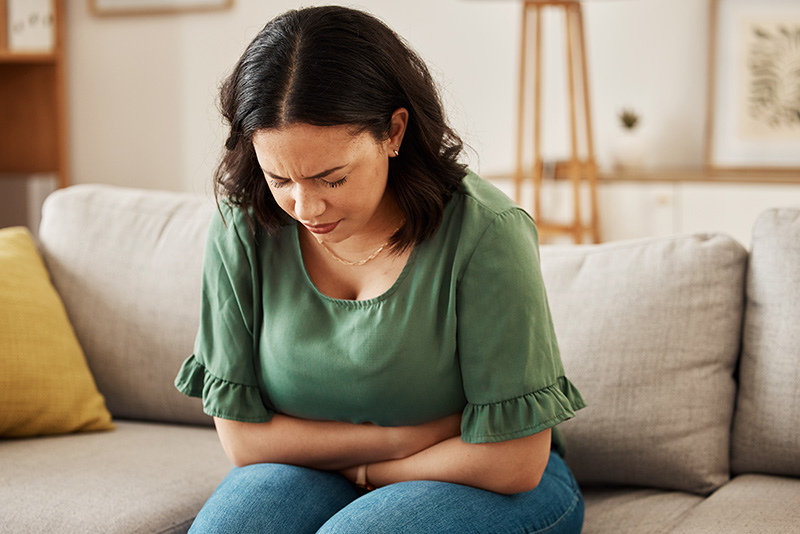
Uterine fibroids are non-cancerous growths that affect millions of women worldwide. While some fibroids remain silent and unnoticed, others can trigger a range of uncomfortable symptoms. One of the most common questions women ask is: what does uterine fibroid pain feel like? The truth is, fibroid pain is not the same for everyone. Its intensity, type, and location can vary depending on the size, number, and position of the fibroids, as well as your individual anatomy.
Understanding Uterine Fibroid Pain
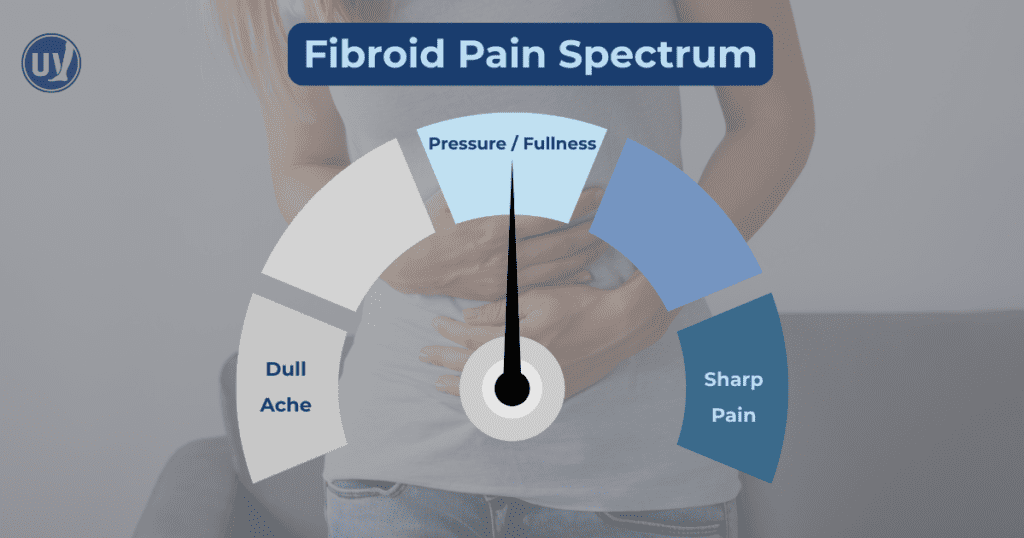
Fibroid pain can manifest in several ways. It is often described as a spectrum of sensations ranging from mild discomfort to severe, debilitating pain. Knowing what to expect can help you identify whether your symptoms are linked to fibroids and guide you toward effective treatment.
Dull, Persistent Ache
Many women experience a constant, low-grade ache in the lower abdomen. This sensation is often similar to a lingering period cramp that never fully goes away. Smaller fibroids are frequently responsible for this type of discomfort, and it may worsen during certain activities or throughout your menstrual cycle.
Feeling of Pressure and Fullness
Some fibroids create a sensation of heaviness or pressure in the pelvis. This can feel like your uterus is carrying extra weight, causing bloating, abdominal fullness, and even discomfort during everyday movements. Larger fibroids are more likely to cause these pressure-related symptoms, which can affect your quality of life.
Sharp, Stabbing Pain
Occasionally, fibroids can trigger sudden, sharp pains that radiate to the back or legs. This is particularly common with larger fibroids or those pressing on nearby nerves. These stabbing sensations can be severe, making it difficult to move comfortably or concentrate on daily tasks.
Intense Menstrual Cramping
Women with fibroids often describe their menstrual cramps as far more intense than usual. Periods can become prolonged and heavier, with pain that seems to escalate with each cycle. This symptom can significantly impact work, exercise, and social activities.
How Fibroid Type, Size, and Location Affect Pain
Fibroid pain varies depending on the type, size, and location of the growths. Understanding these differences can help explain why some women experience more discomfort than others.
Subserosal Fibroids
Subserosal fibroids develop on the outside of the uterus. They often grow outward, pressing against surrounding organs. While they may cause minimal pain initially, larger subserosal fibroids can lead to pressure on the bladder or bowel, resulting in urinary or digestive issues.
Intramural Fibroids
Intramural fibroids grow within the muscular wall of the uterus. These are the most common type and often cause feelings of fullness or pressure in the pelvis. They can also contribute to heavy menstrual bleeding and abdominal bloating.
Submucosal Fibroids
Submucosal fibroids form inside the uterine cavity and can distort its shape. These fibroids are strongly associated with heavy bleeding, prolonged periods, and severe cramping. Because they impact the inner lining of the uterus, they can significantly affect fertility and overall menstrual health.
Other Symptoms of Uterine Fibroids
While pain is often the most noticeable symptom, fibroids can cause a range of additional issues:
- Frequent urination due to pressure on the bladder
- Constipation or bloating if the fibroid presses on the bowel
- Lower back or leg pain from nerve compression
- Fatigue caused by heavy menstrual bleeding and potential anemia
Recognizing these symptoms alongside fibroid pain can help you identify whether your discomfort is related to fibroids.
The Emotional Impact of Fibroid Pain
Fibroid pain does not just affect your physical health. Chronic discomfort, unpredictable flare-ups, and the stress of managing heavy periods can take a toll on mental well-being. Anxiety, frustration, and low mood are common among women living with fibroids. Addressing fibroid pain can not only improve physical comfort but also support emotional health and daily functioning.
Treatment Options for Uterine Fibroids
The good news is you do not have to endure fibroid pain in silence. Several treatment options are available, ranging from non-invasive approaches to medical interventions.
Lifestyle and Supportive Therapies
- Over-the-counter pain relievers
- Heat therapy for cramping
- Dietary adjustments to reduce inflammation
- Stress management techniques like yoga or meditation
Medical Treatments
- Prescription medications to regulate hormones and reduce bleeding
- Uterine Fibroid Embolization (UFE), a minimally invasive procedure that shrinks fibroids
- Surgical options, including myomectomy or hysterectomy, for severe cases
Early diagnosis is key. Consulting a vascular specialist can help you determine the most effective treatment plan for your individual needs.
Frequently Asked Questions
Yes. Depending on their location, fibroids can create discomfort or pain during sexual activity. Submucosal and intramural fibroids are most commonly associated with this symptom.
No. While fibroids are a common source of pelvic pain, other conditions such as endometriosis, ovarian cysts, or infections may produce similar symptoms. A proper evaluation by a vascular specialist is important.
You should seek medical attention if you experience persistent or severe pelvic pain, heavy menstrual bleeding, or symptoms affecting your daily life. Early diagnosis can prevent complications and improve treatment outcomes.
Finding Relief from Fibroid Pain With UVVC
Fibroid pain is not something you have to accept as part of life. Consulting a specialist at a United Vein & Vascular Centers can help you get an accurate diagnosis and explore treatment options tailored to your needs. Whether you are seeking lifestyle adjustments, medication, or minimally invasive procedures like UFE, there is a path to relief.
Take the Next Step to Manage Your Fibroid Pain
Do not let fibroid pain control your life. Schedule a consultation in a clinic near you today to discuss your symptoms and treatment options. Take control of your health and start your journey toward a fibroid-free life.