


Zawartość
- Q: What causes tingling in the calf muscles?
- Q: Can poor circulation cause tingling in the calves?
- Q: Why do my calves tingle after sitting, standing, or lying down?
- Q: Why do my calves tingle after walking?
- Q: Is tingling in the calf muscles serious?
- Q: How is the cause of calf tingling diagnosed?
- Q: How can I stop tingling in my calves?
- Q: How can UVVC help if vein disease is contributing to calf tingling?
- Często zadawane pytania
- Recurring Calf Tingling with Leg Symptoms? Schedule a Vein Screening
Welcome back to Ask the Doc, an educational series from United Vein & Vascular Centers where our physicians help patients make sense of symptoms that can be noticeable, uncomfortable, and sometimes difficult to describe. By looking beyond the symptom itself, each installment explores the patterns that may help identify its source and determine when further evaluation is appropriate.
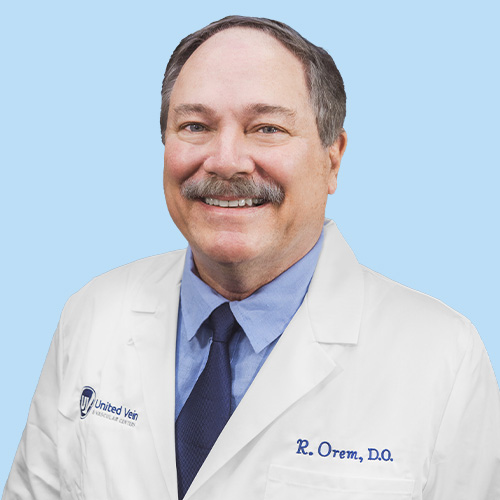
In this installment, Dr. Randall Orem explains what can cause tingling in the calf muscles, when vein disease may be contributing, and how an evaluation can distinguish circulation problems from nerve-related symptoms.
Key Takeaway: Tingling in legs may result from temporary nerve pressure, peripheral neuropathy, a compressed nerve in the lower back, medication effects, or certain medical conditions. Vein and arterial circulation problems are also possible. Tingling that occurs with swelling, aching, heaviness, visible veins, or ankle skin changes may warrant a vein evaluation. Symptoms accompanied by weakness, walking-related pain, or a cold or discolored foot may require a different care pathway.
Q: What causes tingling in the calf muscles?
Dr. Orem:
Patients often describe tingling as though it is happening inside the calf muscle, but the sensation usually involves the nerves supplying that area. It may feel like tiny pinpricks, vibration, crawling, buzzing, or a patch of skin that has partly lost sensation.
A temporary episode can happen when pressure affects a nerve. Crossing the legs, kneeling, or sitting in one position for an extended period may cause the leg to feel “asleep.” The sensation often settles after that pressure is removed. Tingling that persists or repeatedly returns needs a broader evaluation.
Possible causes include:
- Pressure on a nerve from posture, prolonged positioning, or an injury
- Peripheral neuropathy, including diabetes-related nerve damage
- A compressed or irritated nerve in the lower back
- Certain vitamin deficiencies, thyroid conditions, or other metabolic problems
- Medication effects
- Przewlekła niewydolność żylna
- Reduced arterial blood flow
Peripheral neuropathy often begins in the feet and can extend upward into the lower legs. Symptoms may include burning, reduced sensation, or balance changes as well as tingling. A lower-back problem may instead produce symptoms that travel down a particular part of one leg.
The word “tingling” alone cannot identify the cause. Its location, duration, triggers, and accompanying symptoms help determine what should be investigated.

Q: Can poor circulation cause tingling in the calves?
Dr. Orem:
Yes. Circulation problems can cause altered sensations in the legs, but vein disease and arterial disease affect blood flow in different ways.
Healthy leg veins return blood toward the heart. One-way valves help prevent backward flow, while the calf muscles assist by squeezing the veins during movement. When valves do not work properly, blood can flow backward and increase pressure within the lower-leg veins. This is called venous reflux and may contribute to chronic venous insufficiency.
Tingling can occur with venous insufficiency, particularly alongside swelling, aching, heaviness, burning, itching, or changes around the ankles. It is not specific enough to diagnose the condition on its own.
Arteries deliver oxygen-rich blood to the legs and feet. Peripheral artery disease (PAD) narrows those pathways and may cause calf discomfort during walking, numbness, weakness, or foot temperature and color changes.
The surrounding symptoms help guide the next step:
| Symptom pattern | Possible explanation | Details worth noting |
| Tingling after sitting in an awkward position | Temporary nerve pressure | Whether it resolves after changing position |
| Tingling with burning or reduced sensation in the feet | Peripheral neuropathy | Whether both feet are affected or symptoms extend upward |
| Tingling that travels from the back or buttock down the leg | Spinal nerve irritation | Whether back position changes the sensation |
| Tingling with swelling, aching, heaviness, or ankle skin changes | Possible venous insufficiency | Whether discomfort builds after prolonged standing |
| Tingling or numbness with walking-related calf pain or a cold foot | Possible arterial circulation problem | Whether stopping to rest helps and whether foot changes persist |
These symptoms can overlap. A person may have a nerve condition and vein disease at the same time, so finding one problem does not necessarily explain every sensation.
Q: Why do my calves tingle after sitting, standing, or lying down?
Dr. Orem:
Different positions can affect the nerves and circulation differently.
When tingling develops while sitting, consider how you are positioned. Crossed legs, pressure from a chair edge, or remaining still for a long time may affect a nerve. Symptoms that improve soon after repositioning follow a different pattern from tingling that continues regardless of posture.
Prolonged standing can make vein-related discomfort more noticeable. It may also aggravate spinal nerve compression. With lumbar spinal stenosis, for example, standing upright or walking can trigger leg symptoms that improve when a person sits or bends forward.
Tingling at night also has several possible explanations. Diabetic peripheral neuropathy can cause symptoms that are worse at night, while a sleeping position may place temporary pressure on a nerve.
Pay attention to what actually helps. Does uncrossing your legs stop it? Does sitting relieve it, or does getting up help? Does the sensation remain even after you change position? Those details are more useful than assuming that all nighttime or standing-related tingling comes from the same condition.
Q: Why do my calves tingle after walking?
Dr. Orem:
Walking-related symptoms are important because they can reveal a pattern that is not apparent while resting.
Peripheral artery disease may cause calf aching, cramping, fatigue, or weakness when the working muscles need more blood than narrowed arteries can supply. Symptoms often improve after stopping to rest. Some patients also experience numbness or other altered sensations.
A spinal nerve problem can create a similar limitation. With lumbar spinal stenosis, standing and walking may worsen symptoms, while sitting or leaning forward provides relief. Someone may find it easier to walk while leaning on a shopping cart than while standing fully upright.
Walking generally supports venous return by activating the calf muscles. For that reason, tingling that consistently begins after walking a predictable distance should not automatically be labeled a vein symptom.
Tell your provider whether the sensation starts during the walk or afterward, how far you can walk before it begins, and whether stopping relieves it. If tingling repeatedly occurs with walking, an evaluation can help determine what is causing it.

Q: Is tingling in the calf muscles serious?
Dr. Orem:
Occasional calf tingling is not necessarily serious, especially when it follows sitting in an awkward position and goes away after you move. Tingling becomes more concerning when it persists, repeatedly returns without an obvious cause, worsens, or occurs with other symptoms.
Schedule an evaluation if the sensation disrupts sleep or daily activities, spreads into the feet, or develops with reduced sensation, balance changes, or muscle weakness. These changes may indicate a nerve or circulation problem that needs treatment.
Seek prompt medical care if tingling occurs with new swelling, pain, tenderness, warmth, or redness in one leg. These symptoms may indicate deep vein thrombosis, a blood clot in a deep vein.
Seek emergency care for sudden severe leg pain with a cold, pale, numb, or weak foot; tingling with sudden weakness, speech changes, or loss of coordination; or new groin numbness with difficulty urinating or loss of bladder or bowel control. Call 911 for chest pain or unexplained shortness of breath.
How long the tingling lasts, whether it is changing, and what happens alongside it are more useful indicators of seriousness than the sensation alone.
Q: How is the cause of calf tingling diagnosed?
Dr. Orem:
The evaluation begins with a detailed symptom history. A provider considers where the sensation starts, whether it affects one or both legs, how long it lasts, and what brings it on or provides relief. Medical conditions, injuries, medications, and changes in activity are also relevant.
The examination may include checking sensation, strength, reflexes, balance, pulses, skin temperature, swelling, and visible veins. The findings help determine which tests are appropriate.
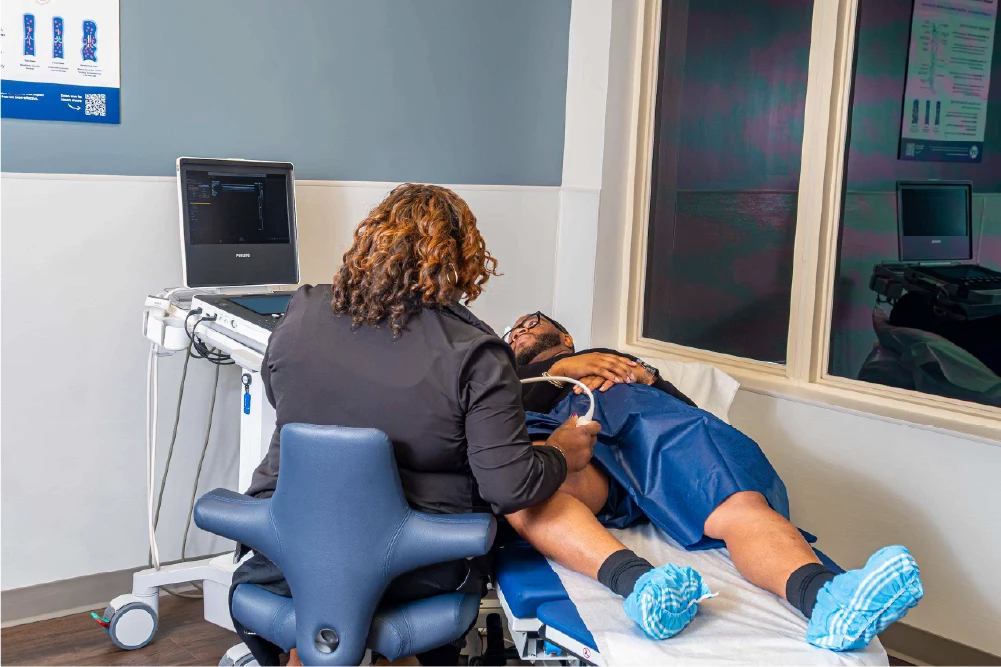
When vein disease is suspected, a diagnostic duplex ultrasound may be recommended. This noninvasive test examines the veins and blood flow, including whether the valves are allowing blood to move backward.
An arterial evaluation may include an ankle-brachial index, which compares blood pressure at the ankle and arm, along with other vascular testing when needed.
If the findings suggest a nerve or metabolic cause, testing may include blood glucose, vitamin B12, or thyroid measurements, nerve studies, or evaluation of the spine. Not every patient needs every test. The goal is to investigate the most relevant possibilities rather than assume that a single scan can identify every cause of tingling.
Q: How can I stop tingling in my calves?
Dr. Orem:
The most useful treatment is the one that addresses the source. A change in posture may relieve temporary nerve pressure, but it will not correct neuropathy or an underlying circulation problem.
For occasional position-related symptoms, start by removing pressure from the leg and changing position. Avoid staying in the same posture for long periods and discuss recurring symptoms with a provider rather than repeatedly working around them.
For diagnosed venous insufficiency, practical measures may include:
- Taking regular movement breaks during prolonged sitting or standing
- Walking or performing gentle ankle movements when appropriate
- Elevating the legs when recommended for swelling or venous discomfort
- Using properly fitted compression under a provider’s guidance
Compression is not appropriate for everyone, particularly certain patients with reduced arterial blood flow. These measures may manage symptoms, but they do not repair damaged vein valves.
Do not stop a prescribed medication or begin high-dose supplements because tingling might be a side effect or a deficiency symptom. A provider should confirm what needs to change.
Q: How can UVVC help if vein disease is contributing to calf tingling?
Dr. Orem:
United Vein & Vascular Centers begins by reviewing the full symptom pattern. A vein screening can help identify concerns that warrant further investigation, particularly when tingling occurs with swelling, aching, heaviness, visible veins, or ankle skin changes.
If the findings suggest venous insufficiency, a diagnostic duplex ultrasound may be scheduled at a later appointment. The results help identify affected veins and determine whether venous reflux fits the patient’s symptoms. A screening is the starting point, not a substitute for diagnostic testing.
When treatment is appropriate, recommendations may include symptom-management measures or a minimally invasive vein procedure. Depending on the affected veins, ultrasound findings, and medical history, options may include:
- Radiofrequency ablation: A thin catheter delivers controlled radiofrequency energy inside an affected superficial vein. The resulting heat closes the vein, allowing blood to reroute through healthier veins nearby.
- VenaSeal™: A catheter delivers a small amount of medical adhesive to seal a malfunctioning vein without thermal energy. The procedure treats the affected pathway so blood can return through veins that are functioning more effectively.
- Varithena®: An injectable microfoam is used to close certain veins affected by venous reflux. Ultrasound helps the physician guide and monitor treatment in the selected veins.
- Ultrasound-guided sclerotherapy: Ultrasound imaging helps locate an affected vein beneath the skin and guide an injectable solution into it. The treatment closes the selected vein, allowing blood to move through healthier pathways.
Recommendations are individualized. Treating confirmed vein disease may help related leg symptoms, but a vein procedure will not address tingling caused by an unrelated nerve or spinal condition. If the findings suggest an arterial problem, a vascular consultation may be appropriate. Other causes may require care from a primary care provider or another specialist.
Często zadawane pytania
Yes. Altered nerve sensation can occur without pain. A painless sensation that keeps returning or lasts a long time still deserves evaluation, particularly if it involves reduced sensation or changes in strength. The absence of pain does not establish that the cause is harmless.
The distribution can help guide the evaluation, but neither pattern identifies the cause by itself. A problem affecting one nerve may cause localized symptoms, while some neuropathies affect both feet and lower legs. New one-sided symptoms accompanied by swelling, pain, warmth, or weakness need particular attention.
Yes. Certain deficiencies, including vitamin B12 deficiency, can cause tingling. Testing may be appropriate based on the symptoms and medical history. Taking supplements without confirming the cause is not a substitute for evaluation, and high doses of some vitamins can be harmful.
Not necessarily. Restless legs syndrome typically includes a strong urge to move the legs and uncomfortable sensations that worsen during rest, especially at night. Tingling alone can have other explanations. Tell your provider whether movement provides relief and whether an urge to move is part of the experience.
Can vein disease cause symptoms without visible varicose veins?
Yes. Vein problems are not always apparent at the skin’s surface. Symptoms and diagnostic ultrasound findings may provide information that appearance alone cannot. However, the absence of visible veins also makes it important to consider other explanations for tingling rather than assume the veins are responsible.
Recurring Calf Tingling with Leg Symptoms? Schedule a Vein Screening
A sensation that keeps returning is worth discussing, even when it is difficult to describe. Before your appointment, note when it begins, whether it spreads into the feet, and how sitting, standing, walking, or changing position affects it.
If calf tingling occurs with swelling, aching, heaviness, visible veins, or ankle skin changes, request a vein screening at United Vein & Vascular Centers. Our care team can help determine whether further vein testing is appropriate.
Walking-related discomfort or foot temperature and color changes may require a vascular consultation. Persistent sensory changes without signs of vein disease may be better evaluated through a primary care provider or nerve specialist.
Medically reviewed by Dr. Domenic Zambuto, National Medical Director at United Vein & Vascular Centers. Board-certified in vascular and interventional radiology, Dr. Zambuto has more than 20 years of experience treating vascular disease and helping patients manage complex vein and circulatory conditions.