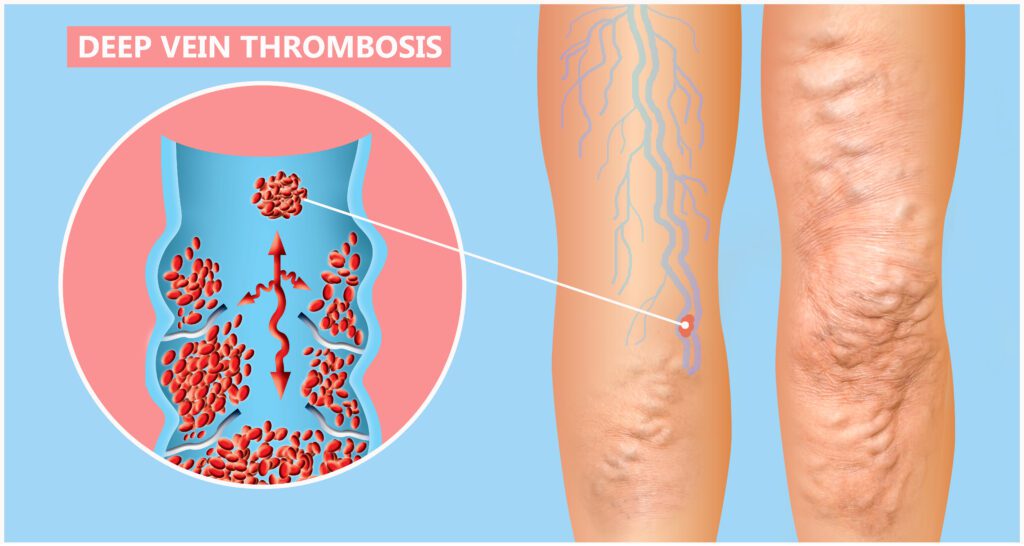
A deep vein thrombosis (DVT) is a blood clot that forms in a deep vein, usually in the leg. It can interfere with blood flow and become dangerous if part of the clot breaks loose and travels to the lungs, causing a pulmonary embolism (PE).
Knowing the warning signs of deep vein thrombosis can help you recognize when something may be wrong and seek medical care promptly. While DVT can cause leg pain, swelling, warmth, or skin discoloration, some people have no noticeable symptoms at all.
Understanding what to look for, who may be at risk, and when to seek emergency care is an important part of protecting your vascular health.
What Are the Warning Signs of Deep Vein Thrombosis?
DVT symptoms can vary from person to person. They often affect one leg, although a blood clot can develop in other parts of the body.
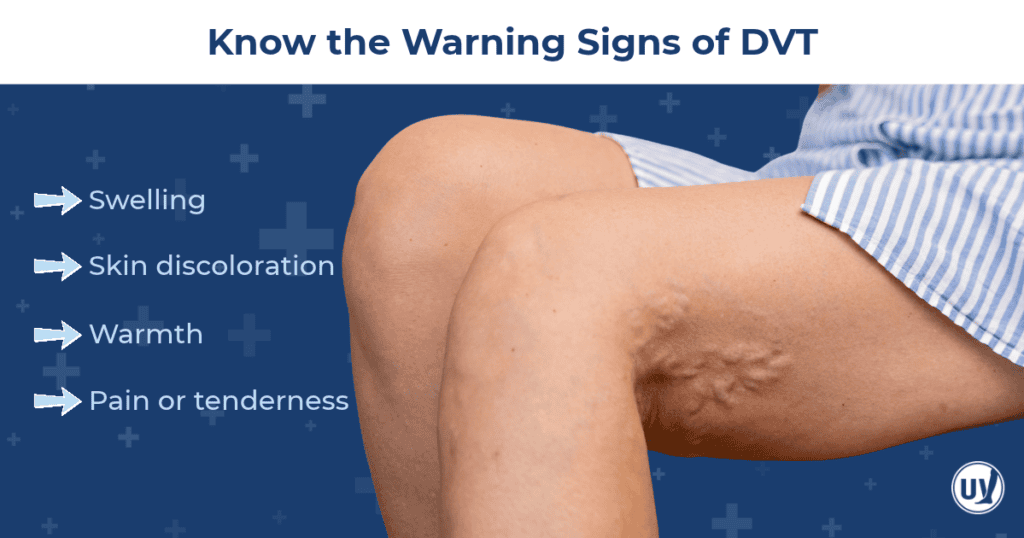
Common warning signs of deep vein thrombosis include:
- Swelling in one leg: Unexplained swelling in the calf, ankle, or entire leg can be a sign of DVT, particularly when it develops suddenly.
- Leg pain or tenderness: You may notice aching, cramping, soreness, or pain in your calf or thigh. The discomfort may feel worse when standing or walking.
- Warm skin: The area around the clot may feel warmer than the surrounding skin.
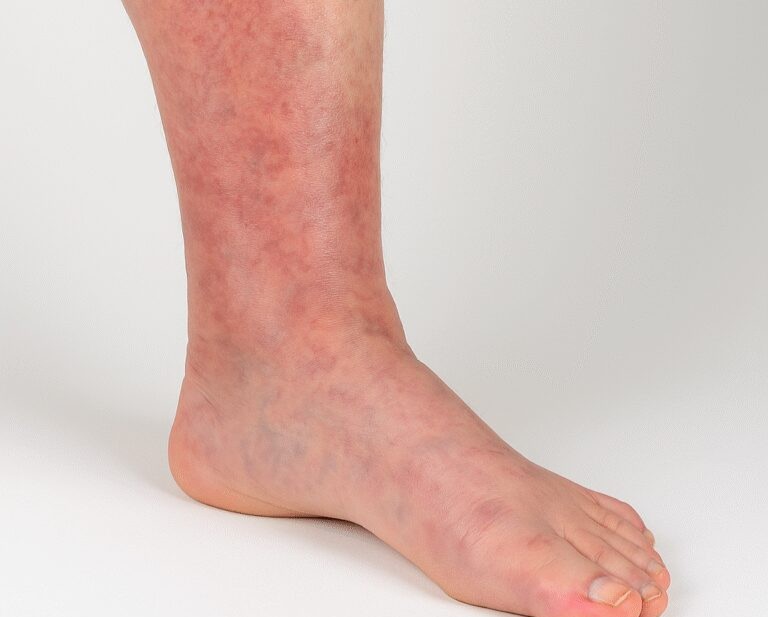
- Skin discoloration: The affected area may look red, purple, or darker than usual, depending on your skin tone.
- Changes in the appearance of surface veins: Veins near the skin may become more noticeable or appear swollen.
These symptoms do not automatically mean you have a blood clot. Muscle strains, injuries, and other conditions can cause similar changes. However, new or unexplained symptoms, especially swelling and pain in one leg, should be evaluated promptly by a medical professional.
What Does a Blood Clot in the Leg Feel Like?
A blood clot in a deep vein may feel like a persistent ache, cramp, or soreness in the calf or thigh. Some people describe a tight or heavy feeling in the affected leg, while others primarily notice swelling, warmth, or tenderness.
DVT discomfort can resemble a pulled muscle, which makes it difficult to identify based on symptoms alone. Unlike typical muscle soreness, however, DVT may cause unexplained swelling or skin changes and does not necessarily follow physical activity or an injury.
It’s also important to know that not everyone with DVT experiences pain or obvious symptoms. You should not rely on how your leg feels to rule out a blood clot.
If you develop unexplained leg swelling, pain, warmth, or discoloration, seek prompt medical evaluation. A healthcare professional can determine whether testing is needed to check for a clot.
When Is a Blood Clot a Medical Emergency?
The biggest concern with deep vein thrombosis is the possibility of a pulmonary embolism. This happens when a blood clot travels to the lungs and blocks blood flow.
Seek emergency medical care immediately if you experience symptoms such as:
- Sudden or unexplained shortness of breath
- Chest pain, especially pain that worsens with a deep breath or coughing
- A rapid or irregular heartbeat
- Odkrztuszanie krwi
- Lightheadedness, fainting, or collapse
Call 911 if you suspect a pulmonary embolism. Do not wait for a vein screening or routine appointment.
Even without these emergency symptoms, suspected DVT requires prompt medical assessment. A clinician may recommend a leg ultrasound and other tests to determine whether a blood clot is present.
Who Is at Risk for Deep Vein Thrombosis?
DVT can affect anyone, but certain factors increase the likelihood of developing a blood clot.
Czynniki ryzyka obejmują:
- Prolonged sitting or limited movement, including during long trips or bed rest
- Recent surgery, hospitalization, or a significant injury
- A previous blood clot or a family history of blood clots
- Cancer and certain cancer treatments
- Pregnancy and the period after giving birth
- Estrogen-containing medications, including some birth control pills and hormone therapies
- Older age and certain chronic medical conditions
Having one or more risk factors does not mean you will develop DVT. However, knowing your risk can help you recognize potential warning signs and discuss prevention with your healthcare provider.
During long periods of sitting, moving your legs and taking regular walking breaks when possible can help support circulation. If you have a history of blood clots or other significant risk factors, ask your healthcare provider about additional prevention strategies.
How Is Deep Vein Thrombosis Diagnosed?
DVT cannot be confirmed by symptoms alone. Healthcare professionals typically consider your symptoms, medical history, and risk factors when deciding which tests are appropriate.
A duplex ultrasound is commonly used to evaluate blood flow and look for clots in the deep veins of the legs. A blood test called a D-dimer may also help determine whether additional testing is needed, depending on your level of risk and clinical evaluation.
If DVT is diagnosed, treatment often involves anticoagulant medications, commonly called blood thinners, which help prevent the clot from growing and reduce the risk of additional clots.
Treatment depends on your individual situation and should be guided by a medical professional.
If you suspect you have a blood clot, seek medical evaluation rather than waiting for a routine vein appointment or attempting to treat the problem at home.
Często zadawane pytania
Yes. Some people with deep vein thrombosis have no noticeable symptoms. Others experience swelling, pain, tenderness, warmth, or skin discoloration. Because symptoms can be subtle or absent, seek medical advice if you have concerns about a possible clot, particularly if you have known risk factors.
A pulled muscle often develops after physical activity or an injury and may improve with time. DVT can also cause aching or tenderness, but it may be accompanied by unexplained swelling, warmth, or skin discoloration. Symptoms can overlap, so you cannot reliably distinguish the two at home. Seek prompt medical evaluation if you suspect DVT.
A routine vein screening is not a substitute for an urgent medical evaluation for suspected DVT. If you have new leg swelling, pain, warmth, or other possible blood clot symptoms, seek prompt medical care. A clinician can determine whether diagnostic testing, such as a duplex ultrasound, is needed.
Take the Next Step for Your Vein Health
Understanding your symptoms and knowing when to seek medical attention can make a meaningful difference in protecting your vascular health. If you have concerns about your circulation, visible veins, or other ongoing vein symptoms, UVVC can help you understand your options for evaluation and care.
Ready to take a closer look at your vein health? Schedule a free vein screening with United Vein & Vascular Centers today to discuss your concerns and determine whether further evaluation may be appropriate.