Pelvic congestion syndrome (PCS) is a chronic vascular condition that affects women worldwide, particularly those in their reproductive years. PCS occurs when varicose veins form in the pelvic area, leading to uncomfortable symptoms that can interfere with daily life. These veins can become enlarged, twisted, and inefficient at returning blood to the heart, resulting in blood pooling and increased pressure in the pelvis.
Symptoms often include pain or discomfort during menstruation, intercourse, or physical activity, but the impact of PCS can extend further, causing complications if left untreated. Early recognition of PCS is crucial, as proper diagnosis and treatment can prevent worsening symptoms and help maintain quality of life.
Understanding PCS is the first step toward managing the condition and regaining control over your health. By knowing the signs and risk factors, women can seek timely care and receive expert guidance from specialists in vein and vascular health.

How Common Is Pelvic Congestion Syndrome?
Pelvic congestion syndrome accounts for 10-20% of gynecological visits and referrals. It is most common among those between the ages of 25-45 and can sometimes be seen in postmenopausal women.
In the United States alone, PCS is estimated to affect around 10 million women. Many cases go unrecognized because PCS symptoms can mimic other conditions, such as endometriosis, ovarian cysts, or urinary tract infections. This overlap often results in delayed diagnosis or inappropriate treatments.
Awareness among healthcare providers and patients alike is vital. By understanding risk factors and common presentations, PCS can be identified earlier, allowing for interventions that reduce symptoms and improve long-term pelvic health.
Symptoms of Pelvic Congestion Syndrome
The hallmark symptom of PCS is a persistent aching or throbbing pain in the lower abdomen or pelvis. This discomfort often worsens during certain activities, including:
- Standing for long periods
- Sitting for extended durations
- Walking or exercising
- Sexual intercourse
Other common symptoms may include:
- Heavy or swollen feeling in the lower abdomen
- Painful intercourse or urination
- Pelvic pressure or fullness
- Lower back pain
- Leg swelling or achy legs
PCS can also affect reproductive health, as some women experience difficulty conceiving. The combination of chronic pain and reproductive challenges can significantly impact quality of life, making timely evaluation and treatment critical.

What Happens If PCS Is Left Untreated?
Without proper care, PCS can lead to serious complications that affect both pelvic and overall vascular health.
Potential consequences of untreated PCS include:
- Pelvic organ prolapse, where pelvic organs descend into the vaginal canal due to weakened support structures
- Varicose veins in the rectum or anus, sometimes leading to hemorrhoid-like symptoms
- Chronic pelvic pain, which can interfere with work, daily activities, and sexual relationships
- Difficulty conceiving, as prolonged vascular pressure may impact the uterus and ovaries
Early diagnosis and intervention can help prevent these complications and improve symptom management, allowing women to maintain mobility, reproductive health, and overall well-being.
Diagnosing PCS
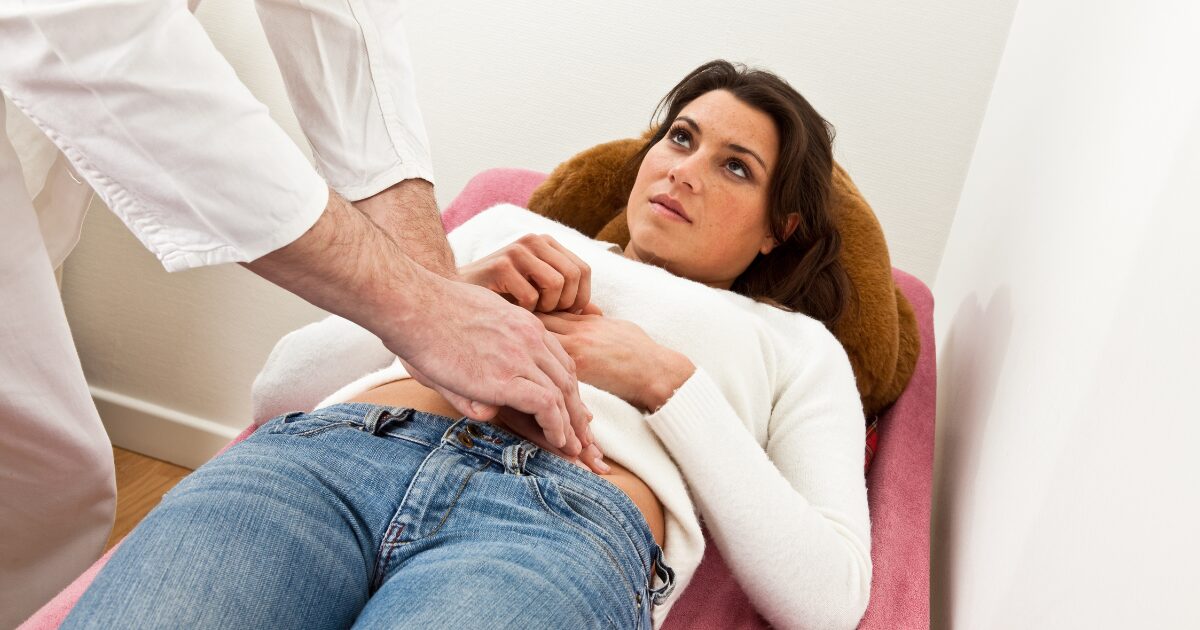
Diagnosis begins with a comprehensive medical evaluation. Your provider will review your symptoms, medical history, and any prior treatments for pelvic pain. A physical examination of the pelvic and lower abdominal area may reveal varicose veins, tenderness, or swelling.
To confirm PCS, additional imaging tests are often recommended, including:
- Pelvic ultrasound, which evaluates blood flow in the pelvic veins
- Magnetic Resonance Imaging (MRI), providing detailed visualization of vein structures and any abnormalities
Accurate diagnosis is crucial because PCS symptoms can resemble other gynecologic or urologic conditions. Once diagnosed, your provider can create a personalized care plan that addresses your symptoms, reduces complications, and improves quality of life.
Treatment Options for Pelvic Congestion Syndrome
Treatment for PCS depends on symptom severity, vein involvement, and individual patient needs. In many cases, a combination of approaches is recommended. Common treatments include:
Lifestyle Modifications
Lifestyle adjustments can reduce discomfort and improve blood flow:
- Wearing compression garments to support veins
- Avoiding prolonged standing or sitting
- Maintaining a healthy weight
- Incorporating light exercise to encourage circulation
Minimally Invasive Procedures
For more advanced or persistent cases, interventional procedures may be recommended:
- Sclerotherapy, where a solution is injected to close affected veins
- Vein embolization, a minimally invasive procedure to block abnormal veins
- In rare cases, surgical interventions may be needed to repair or remove damaged veins
These procedures are performed by specialists with expertise in vascular care and typically involve short recovery times, allowing patients to return to their daily routines quickly.
Support With PCS
If you are struggling to cope with the symptoms of PCS, it is important to seek support from friends, family members and medical professionals. Additionally, there are several online support groups that provide resources and advice for those suffering from PCS. These support groups can be incredibly helpful for those seeking to find additional information and connect with others experiencing the same condition.
No one should have to suffer from pelvic congestion syndrome alone. With proper treatment, lifestyle modifications and support, you can manage your symptoms and live a full and active life.
Frequently Asked Questions
PCS can sometimes contribute to difficulty conceiving, especially if chronic vascular pressure affects the uterus or ovaries. Early evaluation and treatment can help protect reproductive health.
Most patients recover quickly, often returning to normal activities within a few days. Your specialist will provide detailed post-procedure instructions to ensure proper healing.
While a direct hereditary link has not been fully established, women with a family history of varicose veins or vascular conditions may be at higher risk. Genetic factors can contribute to vein valve weakness or vein structure abnormalities.
Seek Appropriate Care for Women’s Health at UVVC
United Vein & Vascular Centers is a leading provider of comprehensive vein and vascular care, with over 50 clinics across Arizona, Chicago, Colorado, Florida, Georgia, Texas, and expanding. Our mission is to revolutionize vascular care by delivering an all-inclusive clinic experience that addresses every aspect of lower extremity vein and vascular conditions.
If you are experiencing pelvic pain, swelling, or other symptoms of PCS, reach out to UVVC today. Our team of board-certified specialists can provide expert diagnosis, personalized treatment plans, and ongoing support to help you manage PCS and improve your quality of life.
Schedule a consultation today and take the first step toward expert care and relief from pelvic congestion syndrome.