
Peripheral Artery Disease, or PAD, is a common circulatory condition in which narrowed arteries limit blood flow to the limbs, particularly the legs. This restriction can cause symptoms such as leg pain, cramping, or a heavy feeling during activities like walking or climbing stairs.
These symptoms can significantly impact quality of life, making daily activities more challenging. Despite these difficulties, structured walking programs can improve circulation, relieve discomfort, and become an essential part of a comprehensive treatment plan.
Understanding PAD and how it affects blood flow is the first step toward effective management. When fatty deposits build up in the arteries, blood struggles to reach the legs and other extremities. This reduced blood flow causes discomfort during activity, which typically eases with rest but returns when movement resumes.
Lifestyle interventions, particularly consistent walking, can help alleviate these symptoms, improve endurance, and enhance overall mobility.
Why Walking Helps With PAD
Walking is a low-impact exercise that stimulates circulation and encourages the formation of collateral blood vessels. These smaller vessels develop naturally to bypass blockages, a process that improves oxygen delivery to the muscles. As circulation improves, individuals often experience reduced pain and the ability to walk longer distances without discomfort.
In addition to its circulatory benefits, walking strengthens leg muscles, improves overall cardiovascular health, and increases stamina. These physical improvements help reduce the fatigue and heaviness commonly associated with PAD.
Walking also provides mental health benefits by promoting the release of endorphins, which enhance mood and reduce stress and anxiety, making it a holistic component of PAD management.
Creating a Personalized Walking Program
Before beginning any exercise program, it is essential to consult with a healthcare provider. A physician can ensure the program is safe and tailor recommendations based on an individual’s health status. A structured walking program allows for gradual improvement in endurance, enhanced circulation, and better overall physical condition.
The key components of a successful walking program include realistic goal setting, a safe walking environment, and adherence to a structured walking-rest cycle. Starting with achievable goals helps individuals build confidence and maintain consistency. Even short walking sessions of a few minutes per day can produce meaningful improvements over time, and gradually increasing duration and intensity will continue to challenge the body and enhance circulation.
Selecting the right environment is also critical. Walking on even surfaces, such as park paths or indoor treadmills, reduces the risk of falls or injuries. Ensuring proper lighting and a clear path further minimizes hazards and creates a comfortable exercise setting.
How Structured Walking Programs Work
An effective walking program for PAD often follows a walk-rest-repeat approach. Start with a gentle warm-up of five to ten minutes to prepare the muscles and increase heart rate. Then, walk at a pace that induces mild to moderate discomfort within a few minutes. This discomfort signals the muscles and arteries to improve circulation. Pause and rest until the discomfort subsides, and then repeat the walking interval.
Sessions should typically last 30 to 45 minutes, including warm-up and cool-down periods. Gradually increasing walking time as endurance improves is essential for continued benefits. Aim for at least three to five sessions per week to maintain consistent progress. Regularity is crucial to achieving long-term improvements in circulation and symptom relief.
Complementary Treatments for PAD
Walking programs are most effective when paired with other treatments and lifestyle changes. Healthcare providers may prescribe medications to manage symptoms or treat underlying conditions such as high blood pressure or high cholesterol.
Common medications include antiplatelet agents to prevent blood clots, cholesterol-lowering medications to reduce arterial plaque, and blood pressure medications to support overall cardiovascular health. Regular follow-up appointments help ensure that medications are effective and adjusted as needed.
Lifestyle changes such as adopting a heart-healthy diet, quitting smoking, and managing stress also enhance walking program benefits. Diets rich in fruits, vegetables, whole grains, and lean proteins help support circulation and overall health. Smoking cessation reduces arterial damage, while stress management techniques, including meditation or yoga, promote physical and mental well-being.
Tracking Progress and Staying Motivated
Monitoring walking program progress helps maintain motivation and ensures continued improvement. Keeping a walking journal or using a fitness tracker allows individuals to log session duration, intensity, and symptom levels. Reviewing this data over time reveals progress and highlights areas for adjustment, making it easier to maintain a consistent routine and gradually improve endurance.
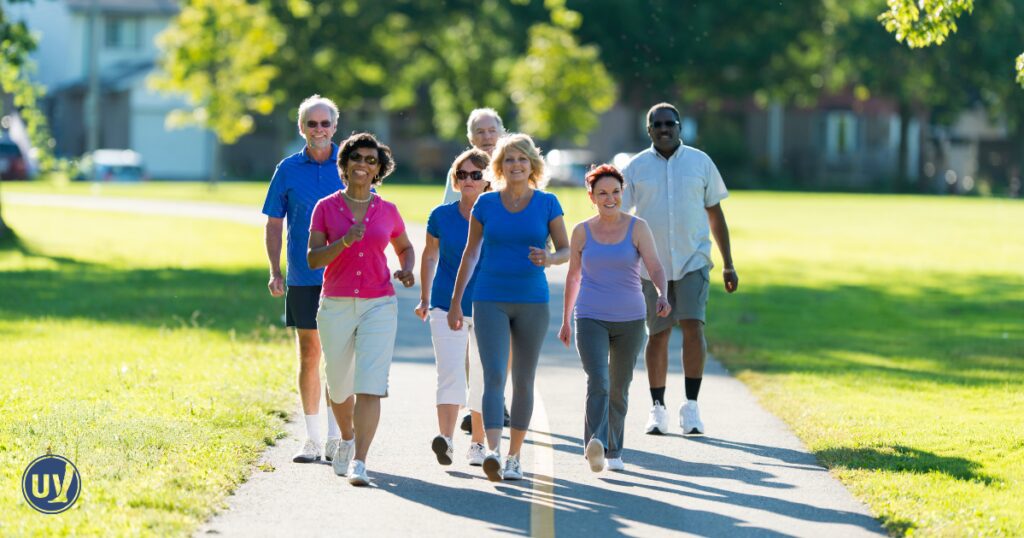
Common obstacles can be overcome with practical strategies. Walking with a partner can increase accountability and enjoyment, while patience and persistence ensure progress even when improvements seem gradual. Listening to the body is equally important; individuals should avoid pushing through severe pain and adjust pace or rest periods as needed.
Long-Term Benefits of a Walking Program
Structured walking programs for PAD do more than improve circulation. They reduce pain, strengthen muscles, enhance endurance, and contribute to overall cardiovascular health. Regular walking helps individuals maintain independence, engage in daily activities more comfortably, and improve overall quality of life.
By combining walking with medical treatment, dietary improvements, and lifestyle changes, people with PAD can achieve meaningful symptom relief and take an active role in managing their condition.
Take Control of Your Circulation
Peripheral Artery Disease can be challenging, but a structured walking program offers a proven method to improve circulation, reduce symptoms, and enhance overall health. Regular walking, when paired with medical guidance, dietary improvements, and lifestyle adjustments, provides a comprehensive approach to managing PAD.
If you are living with PAD or experiencing leg pain, cramping, or fatigue during activity, the specialists at United Vein and Vascular Centers can help. Schedule a consultation today to receive personalized guidance, create a tailored walking program, and take the next step toward better circulation and a more active lifestyle.
Często zadawane pytania
Walking improves circulation by encouraging the formation of new blood vessels that bypass blocked arteries. Structured walking programs can reduce leg pain, increase endurance, and enhance overall mobility for those living with PAD.
For optimal results, aim for walking sessions three to five times per week. Begin with shorter intervals that induce mild discomfort, rest as needed, and gradually increase the duration and intensity to safely build endurance and improve circulation.
No. Walking programs complement medical care but should not replace prescribed treatments. Medications, lifestyle changes, and guidance from a healthcare provider work together with walking to manage PAD effectively.