September is National Peripheral Artery Disease (PAD) Awareness Month, a time to raise awareness of a vascular condition that can affect mobility, comfort, and circulation in the legs and feet.
PAD can be easy to overlook because its symptoms often resemble other common problems. Leg cramping may seem like overexertion, numbness may be blamed on neuropathy, and difficulty walking may be attributed to arthritis, aging, or poor conditioning.
That is why recognizing changes in how your legs feel and function matters. Understanding the signs and risk factors of PAD can help patients know when persistent or worsening symptoms deserve a closer look.
What Is Peripheral Artery Disease?
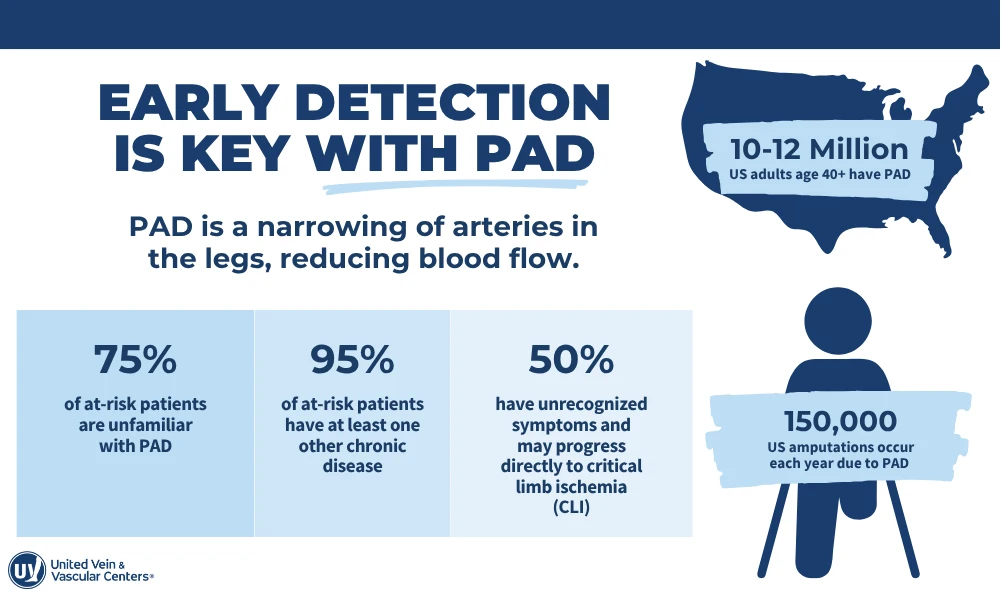
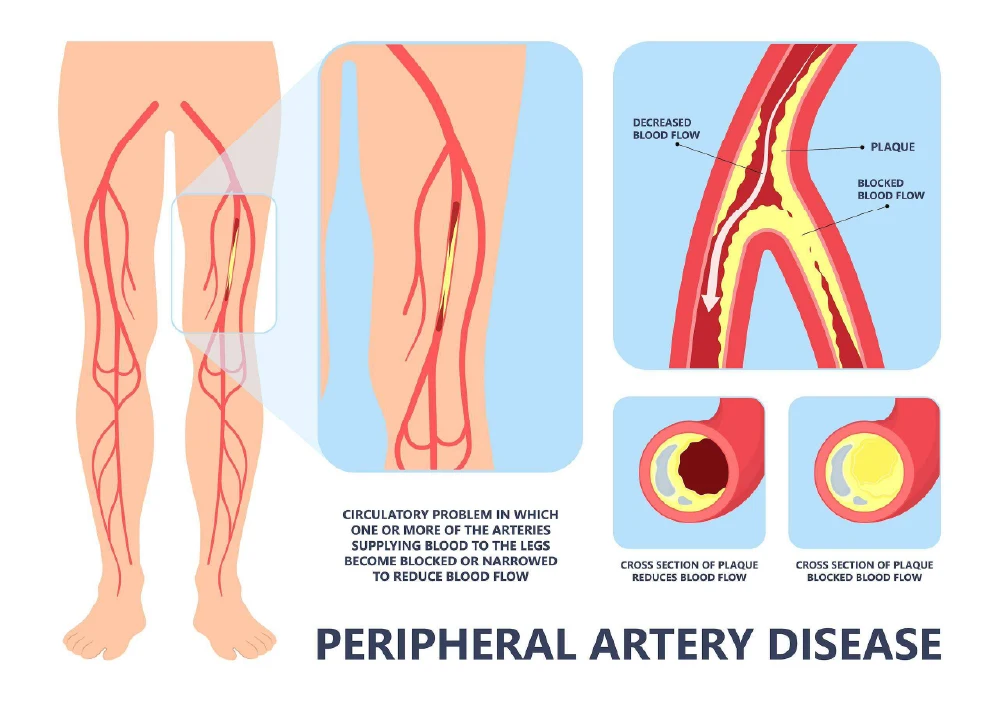
Peripheral artery disease (PAD) is a circulation condition that occurs when arteries become narrowed or blocked, limiting blood flow to the legs and feet.
A common cause is atherosclerosis, which develops when plaque builds up inside the arteries. As the arteries narrow, less oxygen-rich blood can reach the muscles and tissues in the lower extremities.
This reduced blood flow may become especially noticeable during physical activity. When you walk, climb stairs, or exercise, the muscles in your legs need more oxygen. If circulation is limited, symptoms such as cramping, aching, or fatigue may begin during activity and improve after resting.
PAD can affect people differently, and not everyone experiences the same pattern of symptoms.
What Are the Symptoms of PAD?
One of the most recognizable symptoms of PAD is leg discomfort that develops during walking or physical activity and improves with rest. This is known as claudication.
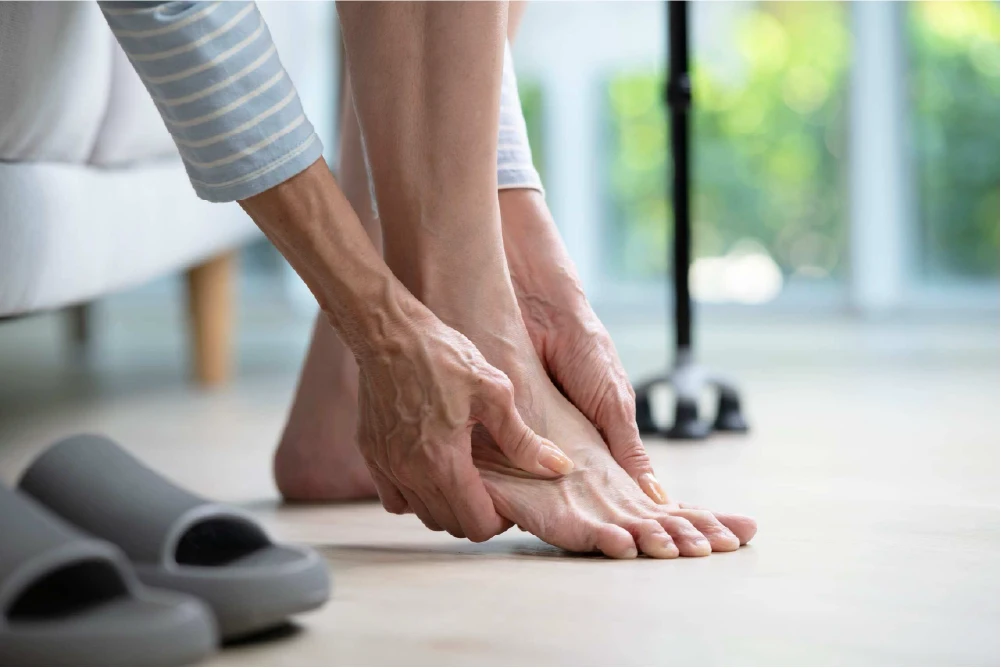
The discomfort may be felt in the calves, thighs, hips, or buttocks depending on where circulation is reduced. It may feel like cramping, aching, heaviness, tightness, or fatigue.
Other possible signs and symptoms of PAD may include:
- Leg or calf cramping during walking or activity
- Aching, weakness, heaviness, or numbness in the legs
- Foot or leg pain while at rest
- One foot or leg feeling cooler than the other
- Cold or numb toes
- Changes in skin color
- Sores or wounds on the legs or feet that are slow to heal
- Reduced walking distance or difficulty keeping up with normal activities
Not everyone with PAD experiences classic leg pain. Some patients may notice more subtle changes, such as a decline in how far they can comfortably walk, persistent coldness in one foot, or weakness that begins to interfere with everyday activities.
Why PAD Can Be Easy to Overlook
PAD symptoms can overlap with several other common conditions, which can make it difficult for patients to recognize that circulation may be involved.
For example, discomfort with walking may be blamed on arthritis or joint problems. Numbness or tingling may seem related to neuropathy or another nerve condition. Weakness, fatigue, or reduced walking endurance may simply feel like part of getting older.
The pattern of symptoms can sometimes provide an important clue. PAD-related discomfort often becomes more noticeable during activity because the muscles need additional blood flow. Rest reduces that demand, so symptoms may improve.
Still, symptoms alone cannot confirm whether PAD is present. A vascular evaluation can help determine whether reduced arterial blood flow or another condition may be contributing to the problem.
Who Is at Greater Risk for PAD?
Certain health and lifestyle factors can increase the likelihood of developing peripheral artery disease.
| PAD Risk Factor | Why It Matters |
| Smoking or a history of smoking | Tobacco use can damage blood vessels and contribute to atherosclerosis. |
| Cukrzyca | High blood sugar over time can damage blood vessels and increase vascular risk. |
| Wysokie ciśnienie krwi | Elevated blood pressure places additional stress on the arteries. |
| High cholesterol | Excess cholesterol can contribute to plaque buildup inside the arteries. |
| Starszy wiek | PAD becomes more common with age. |
| Choroba nerek | Chronic kidney disease is associated with a greater risk of vascular disease. |
| Cardiovascular disease | PAD may occur alongside disease affecting arteries elsewhere in the body. |
| Otyłość | Excess weight may occur alongside other cardiovascular risk factors that affect vascular health. |
Having one or more of these risk factors does not mean that someone has PAD. However, risk factors can provide important context when symptoms such as cramping, numbness, coldness, or changes in walking ability begin to develop.
How Is PAD Evaluated?
Evaluating possible peripheral artery disease generally begins with a review of the patient’s symptoms, medical history, and risk factors.
A vascular specialist may ask when symptoms occur, what activities bring them on, whether they improve with rest, and whether there have been changes involving the feet, skin, wounds, or walking ability.
One test commonly used when PAD is suspected is the ankle-brachial index, or ABI. This test compares blood pressure at the ankle with blood pressure in the arm to help determine whether blood flow to the legs may be reduced.
Depending on the patient’s symptoms and initial findings, additional testing or vascular imaging may also be recommended to better understand circulation and identify areas of narrowing or blockage.
A vascular consultation helps determine which next steps are appropriate based on the individual patient’s symptoms, medical history, and overall vascular health.
How Is PAD Treated?
Treatment for peripheral artery disease depends on several factors, including the severity and location of arterial disease, the patient’s symptoms, medical history, imaging findings, and overall health.
For some patients, treatment may focus on managing risk factors and improving cardiovascular health. Recommendations may include smoking cessation, physical activity or structured exercise when appropriate, and management of conditions such as diabetes, high blood pressure, or high cholesterol.
Medication may also be part of a patient’s care plan depending on their overall health and cardiovascular risk.
When reduced blood flow is significantly affecting symptoms, mobility, or tissue health, a minimally invasive vascular procedure may be considered.
Treatment options may include:
- Angioplasty: A minimally invasive vascular procedure used to help open a narrowed artery and improve blood flow.
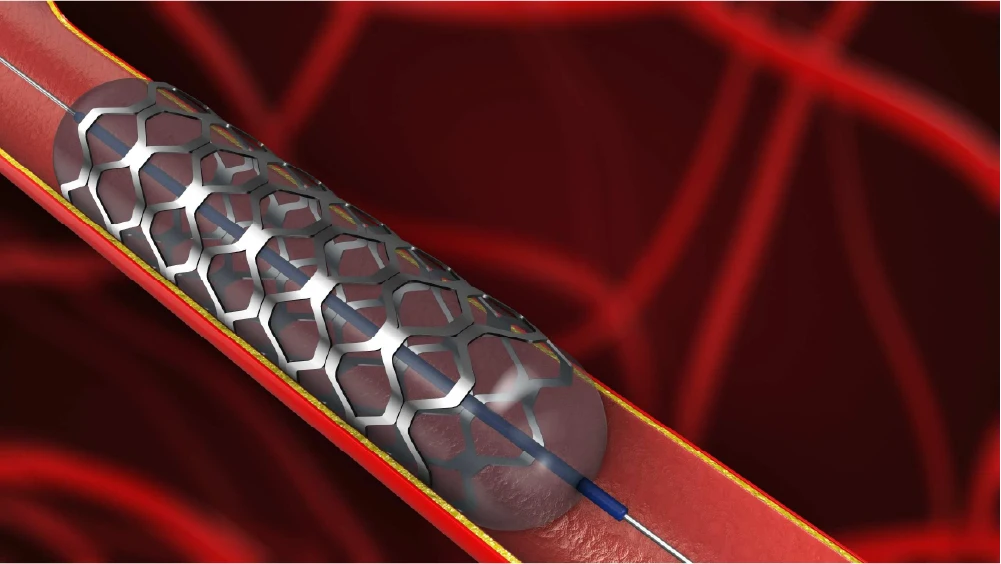
- Stenting: A small mesh tube called a stent may be placed inside an artery to help keep the treated area open and support circulation.
- Atherectomy: A minimally invasive vascular procedure used to remove buildup inside an artery to help improve blood flow.
Not every patient with PAD needs a procedure. Treatment recommendations should be individualized and based on evaluation, symptoms, imaging, and overall health.
Why PAD Awareness Matters
PAD awareness is about more than recognizing one type of leg pain. It is about understanding that changes in walking, comfort, temperature, sensation, skin, or wound healing may sometimes be related to circulation.
It is also important to notice changes over time.
A gradual decline in walking distance may not seem significant at first. A patient may simply begin taking more breaks, avoiding longer walks, or limiting certain activities. Likewise, recurring leg cramping or persistent coldness in one foot may become something a person learns to live around rather than something they bring to a physician’s attention.
Recognizing these patterns can help patients ask an important question: could circulation be contributing to what I am experiencing?
Take a Closer Look at Your Circulation This PAD Awareness Month
If recurring leg discomfort, reduced walking ability, numbness, coldness, or other changes in your legs or feet are affecting your daily life, a vascular consultation can help determine whether circulation may be contributing to your symptoms.
At United Vein & Vascular Centers, vascular specialists evaluate circulation-related concerns and develop individualized recommendations based on each patient’s symptoms, medical history, imaging findings, and overall health.
Request a vascular consultation with United Vein & Vascular Centers to discuss your symptoms and appropriate next steps.