Zawartość
Good blood circulation is essential for your overall health. Your blood carries oxygen and nutrients to your organs and tissues, supports your immune system, and removes waste products from your body. When circulation is poor, it can lead to fatigue, swelling, numbness, cold extremities, and even more serious vascular problems.
Poor circulation is not always a temporary inconvenience. In some cases, circulation problems may be related to underlying vein conditions such as chronic venous insufficiency, varicose veins, or venous ulcers. Understanding how to improve circulation at home may help reduce symptoms, support vein health, and improve overall comfort.
While some circulation issues require professional care, there are several strategies you can implement at home to support vascular health. This guide will explore practical ways to improve circulation, lifestyle changes that make a difference, and when it’s time to consult a specialist.
Why Circulation Is Important
Your circulatory system works continuously to transport blood throughout your body. Healthy circulation ensures that your heart, brain, muscles, and organs receive the oxygen and nutrients they need to function optimally. Poor circulation can result in:
- Obrzęk i uczucie ciężkości w nogach
- Numbness or tingling sensations
- Leg cramps or pain while walking
- Cold hands and feet
- Fatigue and low energy
Over time, untreated circulation problems can contribute to more serious conditions, such as peripheral artery disease, blood clots, and chronic venous insufficiency. Paying attention to your circulation now can prevent complications later.
Conditions Linked to Poor Circulation
Poor circulation can contribute to several vascular conditions, including:
- Chronic venous insufficiency (CVI): Damaged vein valves allow blood to pool in the legs.
- Varicose veins: Enlarged, twisted veins that often develop due to increased pressure within the venous system.
- Venous ulcers: Slow-healing wounds that can occur when circulation problems persist over time.
Simple Home Strategies to Support Circulation
Everyday Habits That Support Healthy Circulation
- Utrzymanie prawidłowej masy ciała.
- Stay hydrated throughout the day.
- Eat a diet rich in fruits, vegetables, fiber, and lean proteins.
- Limit excess sodium to help reduce fluid retention.
- Avoid sitting or standing in one position for long periods.
- Wear supportive footwear that promotes healthy movement.
Uniesienie nóg
One of the easiest ways to improve circulation in your legs is to elevate them above heart level. Doing so encourages blood to flow back toward the heart and reduces fluid pooling in the lower extremities. This is especially helpful for individuals who spend long periods standing or sitting.
Tips for effective leg elevation:
- Lie down and place pillows under your legs so they are higher than your heart.
- Elevate for 15 to 30 minutes several times a day.
- Combine elevation with gentle ankle rotations or leg stretches to further stimulate blood flow.
Regular elevation can reduce swelling, relieve heaviness, and promote vein health over time.
Nawodnienie
Proper hydration is essential for healthy circulation. Blood is over 90% water, and dehydration can cause it to thicken, making it harder to flow through your arteries and veins. Drinking enough fluids ensures that your blood moves efficiently, supporting vascular health.
To stay hydrated:
- Drink at least eight glasses of water daily, adjusting for activity level and climate.
- Include water-rich foods like fruits and vegetables in your diet.
- Limit excessive caffeine or alcohol intake, which can dehydrate your body.
By keeping your blood fluid, you make it easier for your heart to pump oxygen- and nutrient-rich blood throughout your body.
Ćwiczenia i ruch
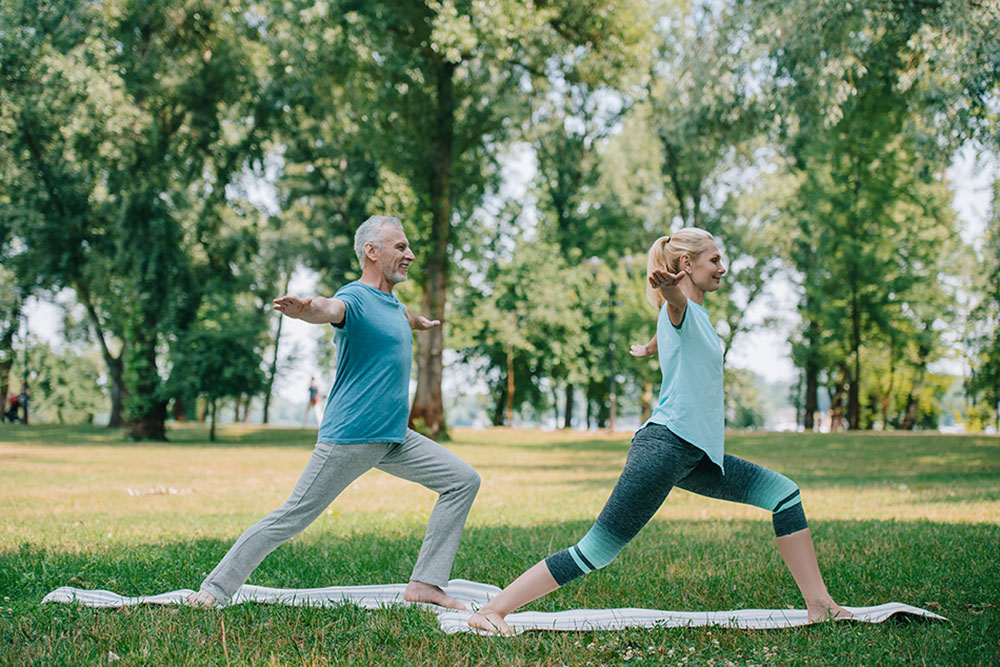
Regular physical activity is one of the most effective ways to boost circulation. Exercise strengthens the heart, encourages blood flow, and reduces fluid retention in the legs. You don’t need intense workouts to see benefits, gentle movements and low-impact activities can make a noticeable difference.
Cardiovascular exercise is particularly beneficial because it increases heart rate and encourages blood to move efficiently throughout the body. Even 20 to 30 minutes of walking, cycling, dancing, or other moderate activity each day can help reduce swelling and improve lower-leg circulation.
Some effective circulation-friendly exercises include:
- Walking or light jogging
- Yoga and stretching
- Calf raises and ankle rotations
- Resistance exercises for the legs
Even taking short walking breaks during long periods of sitting can improve circulation significantly. Pairing movement with leg elevation and compression therapy can further enhance blood flow.
Massage and Self-Care
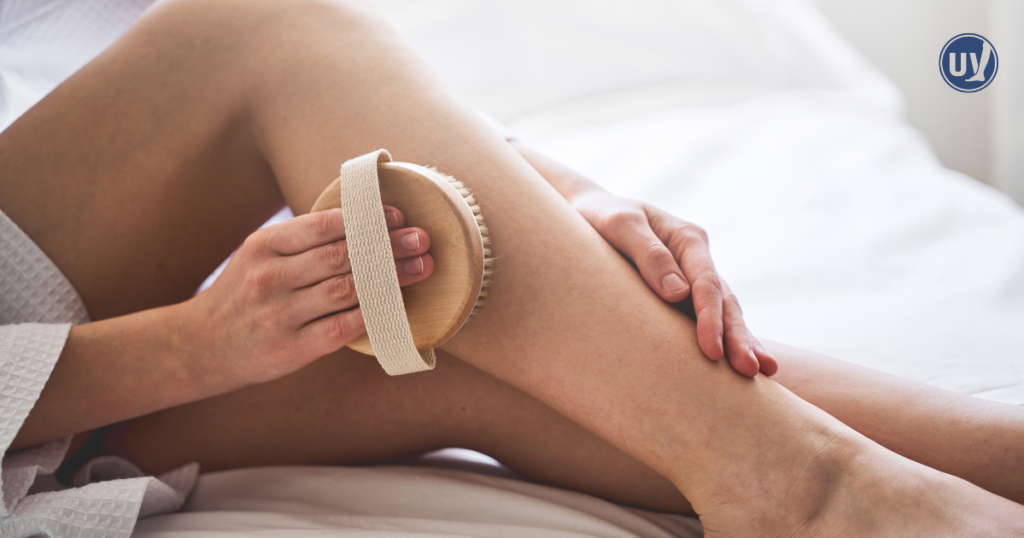
Gentle massage can help stimulate circulation and reduce fluid buildup in the legs. Techniques such as manual lymphatic drainage promote lymph flow and relieve swelling.
For at-home massage:
- Use upward strokes from your ankles toward your knees.
- Apply gentle pressure, avoiding deep pressure if your legs are swollen or tender.
- Combine massage with leg elevation or light exercise for optimal results.
Massage can also reduce discomfort, improve mobility, and complement other circulation-promoting strategies.
Odzież kompresyjna
Compression socks or stockings help veins push blood back toward the heart and reduce swelling and discomfort. They are particularly helpful for:
- People who stand or sit for long periods
- Individuals with varicose veins or mild venous insufficiency
- Those experiencing leg fatigue or swelling
A vein specialist at UVVC can help determine the right type and compression level for your needs, ensuring safe and effective results.
Nutrition for Better Circulation
Your diet has a powerful impact on circulation and vascular health. Certain foods can support blood flow and reduce inflammation:
- Fruits and vegetables rich in antioxidants, such as berries and leafy greens
- Omega-3 fatty acids from fish, flaxseed, or chia seeds
- Spices like turmeric and ginger that support healthy circulation
- Whole grains and lean proteins to maintain overall cardiovascular health
Reducing processed foods, excess sugar, and salt can also help prevent fluid retention and improve vascular function.
When to See a Vascular Specialist
At-home strategies can support circulation, but some symptoms require evaluation by a vein and vascular specialist. Seek professional care if you experience:
- Persistent swelling or heaviness in your legs
- Ciężkość lub zmęczenie nóg
- Numbness or tingling in legs or feet
- Cold feet or cold hands
- Leg pain or cramping while walking
- Visible varicose veins or spider veins
- Slow-healing wounds or ulcers
- Skin changes around the lower legs or ankles
Specialists at UVVC use advanced imaging and diagnostic tools to identify circulation problems and design personalized treatment plans. Early intervention can prevent complications and improve long-term vascular health.
Signs Poor Circulation May Be Related to a Vein Problem
Many circulation issues improve with exercise, hydration, and healthy habits. However, symptoms such as leg swelling, aching, heaviness, varicose veins, itching, skin discoloration, or symptoms that worsen after prolonged standing can indicate an underlying vein condition rather than a temporary circulation issue. A duplex ultrasound can help determine whether symptoms are related to vein disease and whether treatment may help improve comfort and mobility.
United Vein & Vascular Centers Can Help
At UVVC, our team provides comprehensive care for circulation and vein concerns. Services include personalized evaluations, minimally invasive procedures such as sclerotherapy, laser vein treatments, and endovenous ablation. Our specialists also provide guidance on lifestyle changes, exercise, and nutrition to support healthy circulation.
By combining at-home strategies with professional care, you can reduce symptoms, improve mobility, and enhance your quality of life. Our specialists focus on both immediate relief and long-term vascular health, ensuring that each patient receives the support they need to live comfortably and actively.
Często zadawane pytania
Yes. Lifestyle changes like regular movement, leg elevation, hydration, a balanced diet, and compression therapy can improve circulation. Chronic or severe cases may require professional evaluation.
Elevating your legs for 15 to 30 minutes several times a day helps reduce swelling and improve blood flow. Gentle movements during elevation enhance effectiveness.
Consult a specialist if you experience persistent swelling, numbness, leg pain, visible varicose veins, or slow-healing wounds. A specialist can provide accurate diagnosis and recommend treatments to prevent complications.
Take Charge of Your Circulatory Health
Improving blood circulation at home is possible with consistent lifestyle changes, gentle movement, hydration, and proper care. However, persistent symptoms or underlying vein issues require professional evaluation to ensure effective treatment.
At United Vein & Vascular Centers, our experts provide personalized care, advanced treatments, and guidance to improve circulation, reduce symptoms, and enhance quality of life. Schedule a consultation today to take the first step toward healthier veins, stronger circulation, and greater overall wellness.