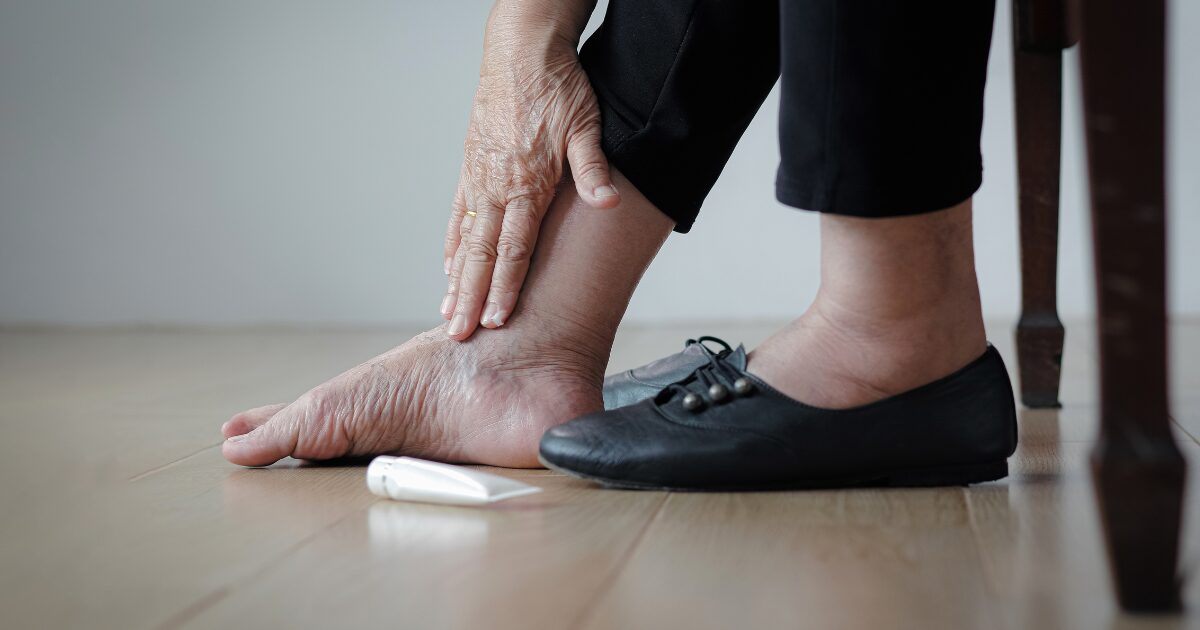
It’s a feeling many people struggle to describe, but they know it when it happens. Your legs feel tired, weighed down, or harder to move than usual. By the end of the day, they may feel swollen, achy, or simply “off.”
If you’ve ever caught yourself wondering, why do my legs feel so heavy all the time, you’re not alone. This is one of the most common early warning signs of vein disease, and it’s often overlooked or dismissed as normal fatigue.
The truth is, heavy legs are not something you should ignore. They can be your body’s way of signaling that your circulation is not working as efficiently as it should.
Understanding what’s behind this sensation is the first step toward finding real, lasting relief.
What Does “Heavy Legs” Really Mean?
Leg heaviness is often described as a persistent sensation of fatigue, pressure, or fullness in the legs. Some patients say it feels like their legs are harder to lift, especially after long periods of standing or sitting.
This feeling can come and go, or it may gradually become more frequent over time. For many people, symptoms are worse at the end of the day or after extended activity.
While it may seem like a minor inconvenience, leg heaviness is commonly linked to poor blood circulation in the lower extremities.
When your veins are not effectively pushing blood back toward your heart, blood can begin to pool in your legs. This added pressure leads to that heavy, sluggish feeling.
Common Causes of Heavy Legs
There are several vein and vascular conditions that can lead to leg heaviness. Identifying the root cause is essential for choosing the right treatment.
Chronic Venous Insufficiency
One of the most common causes is chronic venous insufficiency. This condition occurs when the valves inside your veins weaken or become damaged.
Instead of keeping blood moving upward, these valves allow blood to flow backward and collect in the legs. Over time, this leads to symptoms like swelling, itching, discomfort, and that unmistakable feeling of heaviness.
Chronic venous insufficiency tends to develop gradually, which is why many patients live with symptoms for years before seeking care.
Varicose Veins
Varicose veins are another major contributor to heavy legs. These enlarged, twisted veins are visible beneath the skin and are a sign that blood flow is not functioning properly.
Beyond their appearance, varicose veins often cause physical symptoms such as aching, throbbing, and fatigue in the legs.
Many patients notice that their legs feel especially heavy after standing for long periods or after a full day of activity.
Deep Vein Thrombosis
In more serious cases, heavy legs may be linked to deep vein thrombosis, which is a blood clot that forms in a deep vein.
This condition requires immediate medical attention. Symptoms may include leg pain, cramping, swelling, warmth, or redness in addition to heaviness.
If you suspect a blood clot, it is important to seek care right away, as prompt treatment is critical.
Other Contributing Factors
Even if a formal vein condition has not yet been diagnosed, certain lifestyle and health factors can increase your risk of developing heavy legs.
These include long periods of sitting or standing, lack of physical activity, excess weight, pregnancy, and aging. Jobs that require you to be on your feet all day or seated for extended hours can also play a role.
Over time, these factors can put strain on your veins and contribute to circulation issues.
Signs It May Be Time to See a Vein Specialist
Many people wait too long before seeking help because they assume their symptoms are simply part of daily life. However, early evaluation can make a significant difference.
You may want to consider seeing a specialist if you experience:
- Persistent leg heaviness or fatigue
- Swelling in your legs or ankles
- Visible veins that are bulging or discolored
- Cramping or aching, especially at night
- Skin changes around the lower legs
These symptoms often indicate an underlying vein condition that can be treated effectively once identified.
How Vein Treatment Can Help
The good news is that modern vein care offers highly effective solutions that do not require major surgery or long recovery periods.
Minimally invasive treatments are designed to target the source of the problem and restore healthy blood flow.
Depending on your condition, treatment may involve closing off damaged veins so that blood can be redirected to healthier ones. This improves circulation and reduces the pressure that causes symptoms.
Most procedures are performed in an outpatient setting and take less than an hour. Patients are typically able to return to their normal routines quickly, often within a day.
What to Expect from a Vein Evaluation
If you decide to seek care, your first step will be a consultation with a vein specialist.
During this visit, your provider will review your symptoms, discuss your medical history, and perform a noninvasive ultrasound to evaluate blood flow in your veins.
This allows for an accurate diagnosis and a personalized treatment plan tailored to your needs.
The goal is not just to relieve your current symptoms, but to prevent the condition from progressing and improve your overall quality of life.

Frequently Asked Questions
Not always, but they are one of the most common early symptoms. If the feeling is persistent or worsening, it is often linked to circulation issues and should be evaluated by a specialist.
In some cases, mild symptoms may improve with lifestyle changes like movement and elevation. However, if an underlying vein condition is present, symptoms typically return or worsen without treatment.
The best treatment depends on the cause. Minimally invasive procedures are highly effective for conditions like varicose veins and chronic venous insufficiency. A specialist can recommend the right option after an evaluation.
You Don’t Have to Live with Heavy, Uncomfortable Legs
If your legs constantly feel tired, heavy, or uncomfortable, it is not something you have to push through or ignore. These symptoms are often your body’s way of telling you that something is not right with your circulation.
Getting the answers you need can be simple, and relief may be closer than you think.
The specialists at United Vein & Vascular Centers are experienced in diagnosing and treating a wide range of vein conditions using advanced, minimally invasive techniques.
With the right care plan, you can reduce discomfort, improve mobility, and get back to feeling like yourself again.
Schedule a consultation with your nearest UVVC clinic today and take the first step toward lighter, healthier legs.