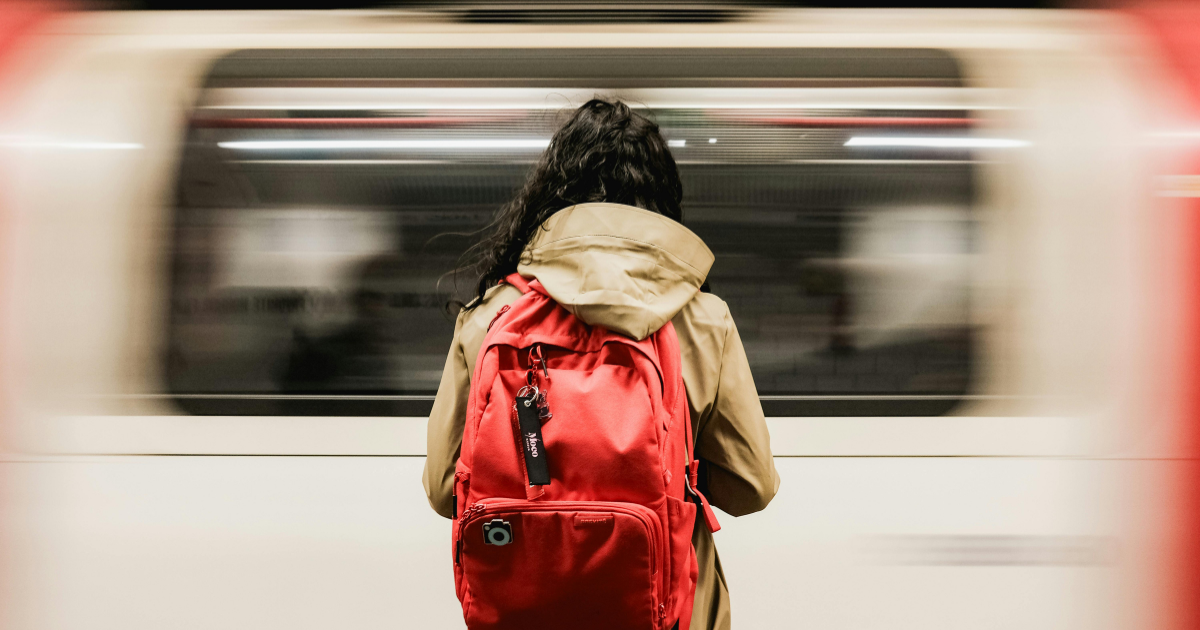
Life in the city moves fast. Long commutes, desk‑bound workdays, and the endless hustle of Chicago living can leave little time to think about our vascular health. But for many urban professionals, that nonstop pace brings an uncomfortable and often overlooked consequence: hemorrhoid flare-ups. These sudden bouts of pain, itching, or bleeding can strike anyone, not just older adults, and they often seem to appear at the most inconvenient moments.
Common city habits (from sitting on the ‘L’ during rush hour to powering through lunch at a desk) create the perfect storm for vascular stress in the lower rectum. The good news is that you don’t have to simply manage the discomfort. Treatments like Hemorrhoid Artery Embolization (HAE) at United Vein & Vascular Centers offer a minimally invasive way to target the root cause of hemorrhoids and restore long-lasting comfort, even for the busiest city dweller.
What Are Hemorrhoids?
Hemorrhoids are swollen or inflamed veins in the lower rectum and anus that result when pressure builds in the vascular system of the pelvic area.
Over time, this pressure causes tiny blood vessels to stretch and bulge, leading to discomfort, itching, bleeding, and pain during bowel movements. Anyone can develop hemorrhoids, but certain lifestyles and habits make flare-ups more frequent and severe.
How City Lifestyles Contribute to Hemorrhoid Flare-Ups
Urban living brings unique patterns that increase the likelihood of hemorrhoid symptoms. Below are some of the biggest contributors that healthcare professionals see again and again.
1. Prolonged Sitting at Work or During Commutes
In the heart of Chicago, many office workers spend long hours seated at desks. Meanwhile, commuters may sit for extended periods on their commute. This prolonged sitting increases pressure on the pelvic veins and reduces blood flow in the anal region.
Over time, this pressure can cause vascular congestion and contribute to swelling of the hemorrhoidal veins. Prolonged sitting also slows overall circulation, which in turn makes it harder for these tiny blood vessels to return blood efficiently to the heart. That congestion is a root factor in why people feel pain, itching, or bleeding after long days on the job or during their commute.
2. Stress and Digestive Disruption
Stress is an unavoidable part of city life. While stress alone does not directly cause hemorrhoids, it can disrupt your digestive system and bowel habits. Stress often contributes to constipation or diarrhea, both of which put extra strain on rectal veins and encourage flare-ups. In other words, stress creates an environment where hemorrhoids are more likely to form or worsen.
When people are stressed, many also change their eating and activity habits in ways that work against healthy bowel function. That means more constipation, straining, and tension during elimination, all major triggers for hemorrhoid pain.
3. Diet Patterns
City dining often means quick meals, heavier foods, and eating on the go. While Chicago has incredible culinary stature, frequent reliance on convenience foods (often low in fiber and high in fat) increases the risk of constipation. Fiber plays a crucial role in ensuring smooth, soft bowel movements, which reduce straining and the pressure that causes hemorrhoidal veins to bulge.
Add to that meals on the run or skipping meals due to a busy schedule, and gut motility can become irregular. A digestive system that doesn’t move smoothly directly increases the risk of hemorrhoid flare-ups.
4. Limited Movement and Sedentary Behavior
Even when in the city, people may move less during their day than they think. Walkable neighborhoods still come with long periods of desk time, travel time, or evenings on the couch. Sedentary behavior is recognized as a significant contributor to poor circulation and digestion, both of which are implicated in hemorrhoid development.
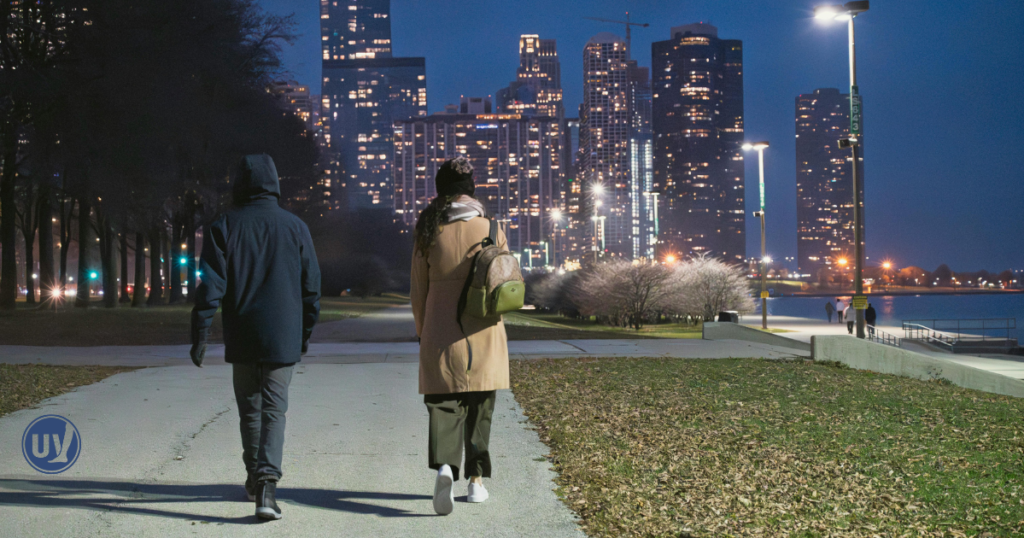
Breaking up long spans of inactivity with short walks or standing breaks helps stimulate circulation and bowel motility. That small change may make a big difference in reducing the frequency and severity of symptoms.
When Lifestyle Changes Are Not Enough: Enter HAE
Making positive lifestyle changes is an important foundation for hemorrhoid prevention and relief. But when symptoms are persistent, painful, or recurring despite these efforts, it’s time to consider medical intervention.
HAE is a minimally invasive, outpatient treatment option that targets hemorrhoid symptoms at their vascular source. Rather than removing tissue or relying on more invasive surgery, HAE reduces the blood flow to the swollen hemorrhoidal tissue. Over time, that reduced blood supply causes the hemorrhoids to shrink, leading to a decrease in bleeding, pain, and irritation.
What Happens During HAE?
During an HAE procedure, an interventional radiologist places a tiny catheter into an artery and guides it toward the vessels supplying the hemorrhoids. The physician then deposits embolic agents that block these arteries and reduce blood flow to the problematic veins. Because the rest of the rectal blood supply remains intact, the tissue shrinks gradually and symptoms fade.
Patients return home the same day and can often resume normal activity within a short time. Recovery is typically gentle, and symptom improvement is noticed over the following weeks.
Why HAE Is a Game-Changer for Many Patients
Compared to surgical hemorrhoidectomy, HAE is associated with:
- Shorter recovery times
- Minimal discomfort
- No incisions or general anesthesia required
- Reduced risk of complications
- Fewer limitations on daily activity after the procedure
For many people living busy urban lives, this means effective symptom relief without lengthy downtime or major disruptions to work or routine.
Lifestyle Tips to Reduce Flare-Ups in City Living
Even with advanced treatment options like HAE, combining medical care with smart lifestyle habits improves comfort and long-term outcomes. Here are actionable tips that support healthy bowel and vascular function:
- Stay Active Daily: Even short walks during work breaks or after dinner can stimulate circulation and digestion.
- Boost Dietary Fiber: Aim for fiber-rich foods like fruits, vegetables, legumes, and whole grains to keep stools soft and reduce straining.
- Stay Hydrated: Water supports smooth digestion and bowel movements.
- Take Frequent Breaks from Sitting: Set a reminder to stand or walk every 30 to 60 minutes during long desk days or commutes.
- Recognize Stress Triggers: Find effective ways to manage stress such as meditation, exercise, or mindful breathing, which also support digestive health.
Często zadawane pytania
While hemorrhoids can affect anyone, lifestyle factors common in urban environments increase the likelihood of flare-ups. These factors put extra pressure on the anal veins and slow circulation, creating ideal conditions for hemorrhoid development.
Most patients leave the clinic the same day and resume normal activities within a day or two. Symptom improvement continues over several weeks as the hemorrhoidal tissue gradually shrinks after the procedure.
HAE is performed under local anesthesia with mild sedation if needed. Most patients report minimal discomfort during and after the procedure compared to traditional surgery.
Take the Next Step Toward Long-Lasting Relief
If you are dealing with recurring hemorrhoid pain, itching, bleeding, or discomfort despite lifestyle adjustments, HAE may be the solution you’ve been looking for. At United Vein & Vascular Centers, our board-certified Chicago vascular specialists have extensive experience assessing and treating complex vascular conditions with advanced, minimally invasive techniques, including HAE.
Whether you’re balancing a busy Chicago commute, long hours at your desk, or the stress of urban living, you don’t have to tolerate persistent hemorrhoid symptoms. Schedule a consultation with UVVC today to discuss your symptoms, explore your treatment options, and take meaningful steps toward comfort and improved quality of life.