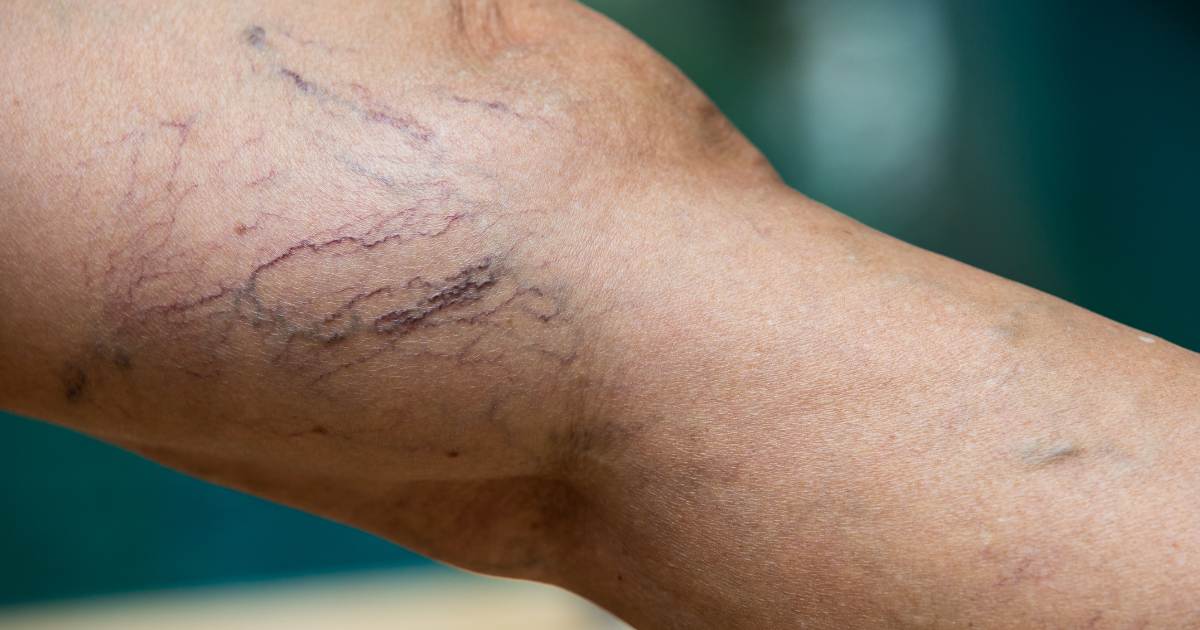
Varicose veins are more than just a cosmetic concern. These enlarged, twisted veins most commonly appear on the backs of the legs, and they can cause discomfort, fatigue, and other complications if left untreated. While some people notice them purely for their appearance, early-stage varicose veins are often a sign of underlying vein dysfunction that can worsen over time.
Understanding the early warning signs of varicose veins is critical for managing your vein health, reducing discomfort, and preventing more serious complications later. If you’ve started to notice subtle changes in your legs, now is the perfect time to take action.
Why Early Detection Matters
Varicose veins are a progressive condition. Early-stage varicose veins may present mild symptoms or subtle visual cues, but without intervention, they can develop into larger, more painful veins. Over time, untreated varicose veins can lead to chronic venous insufficiency, leg swelling, skin discoloration, and even ulcers.
The sooner you recognize early-stage symptoms, the easier it is to manage them effectively. Early detection allows vein specialists to provide personalized treatment plans that reduce discomfort, improve circulation, and prevent further vein damage.
Common Symptoms of Early-Stage Varicose Veins
While varicose veins are often associated with bulging veins and discomfort in later stages, early-stage symptoms can be subtle. Here are some common signs to watch for:
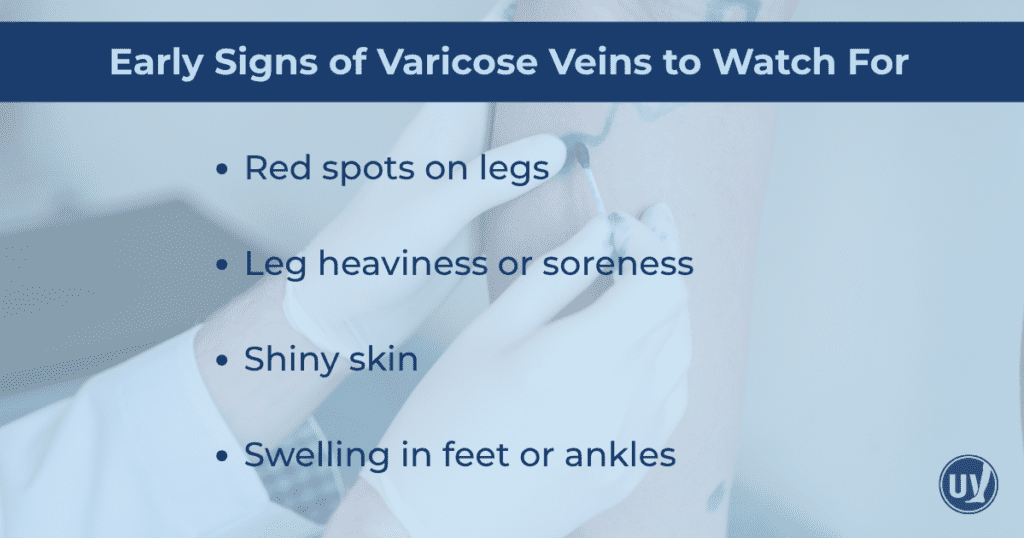
Red Spots or Discoloration on the Legs
Small red or bluish spots may appear on the backs of your legs, ankles, or calves. These spots are often an early indication of weakened vein walls and valve dysfunction. Though they may seem minor, they signal that your veins are struggling to properly circulate blood.
Leg Heaviness and Soreness
Do your legs feel heavy, tired, or sore after standing or sitting for long periods? This heaviness is a hallmark of early-stage varicose veins. Many patients notice increased fatigue at the end of the day or after activity. Even mild soreness should not be ignored, as it may indicate impaired circulation.
Shiny or Tight Skin on the Legs
Some people notice a subtle shine or tightness on their skin in areas affected by early varicose veins. This is often caused by fluid buildup under the skin and can be a signal that vein function is compromised.
Swelling in the Feet or Ankles
Frequent swelling in the feet or ankles, particularly at the end of the day, can be a warning sign of venous insufficiency. Early intervention can prevent this swelling from progressing and causing discomfort or long-term complications.
Itching or Tingling Sensations
Early-stage varicose veins can also cause itching, tingling, or mild burning in the legs. These sensations are usually worse after prolonged standing or during warm weather, and they often improve with leg elevation or movement.
Recognizing these symptoms early gives you the opportunity to address the underlying issues before they worsen.
What Causes Varicose Veins?
Several factors contribute to the development of varicose veins, including:
- Genetics: A family history of varicose veins increases your risk.
- Age: Vein valves weaken as we age, reducing circulation efficiency.
- Hormonal Changes: Pregnancy, menopause, or hormonal therapies can affect vein health.
- Lifestyle Factors: Prolonged standing or sitting, lack of physical activity, and excess weight place additional pressure on veins.
- Environmental Factors: Hot climates or extended periods of heat can worsen venous symptoms by dilating blood vessels.
Understanding your risk factors can help you take proactive steps to protect your vein health.
How Early-Stage Varicose Veins Are Diagnosed
Vein specialists at UVVC use noninvasive tools to evaluate vein health. A typical evaluation may include:
- Medical History Review: Discussing your symptoms, lifestyle, and family history.
- Physical Examination: Observing the legs for visible signs of varicose veins or swelling.
- Ultrasound Testing: Using duplex ultrasound to check for blood flow problems and valve function.
Early diagnosis is essential because it allows for treatment before the veins become more severe, reducing discomfort and lowering the risk of complications.
Treatment Options for Early-Stage Varicose Veins
At UVVC, treatments are tailored to the individual, focusing on minimally invasive procedures that offer effective results with minimal downtime. Early-stage interventions may include:
- Compression Therapy: Wearing compression stockings to improve circulation and reduce swelling.
- Lifestyle Modifications: Incorporating regular movement, elevating the legs, and maintaining a healthy weight.
- Sclerotherapy: Injecting a solution into small veins to close them and redirect blood flow.
- Radiofrequency Ablation (RFA): Advanced, minimally invasive treatments for larger veins that restore normal circulation.
The right treatment plan depends on your symptoms, vein anatomy, and lifestyle. UVVC specialists create personalized strategies to relieve discomfort, improve appearance, and maintain long-term vein health.
Lifestyle Tips to Support Vein Health
In addition to medical treatment, everyday habits can help prevent early-stage varicose veins from progressing:
- Move Regularly: Walk, stretch, or perform light exercises throughout the day to encourage blood flow.
- Elevate Your Legs: Take breaks to lift your legs above heart level to reduce pressure.
- Maintain a Healthy Weight: Excess weight increases pressure on veins and can worsen symptoms.
- Avoid Prolonged Sitting or Standing: Change positions frequently and incorporate movement breaks.
- Wear Supportive Clothing: Avoid tight garments that restrict circulation.
These habits, combined with professional care, can make a significant difference in managing early-stage varicose veins.
Frequently Asked Questions
Yes. While early-stage varicose veins may seem mild, they often progress over time. Untreated veins can lead to swelling, skin changes, and chronic discomfort. Early evaluation helps prevent these complications.
No. While appearance can be a concern, varicose veins often indicate underlying vein dysfunction. They can cause pain, heaviness, swelling, and increase the risk of more serious complications such as blood clots.
If you notice symptoms like leg heaviness, swelling, visible veins, or skin changes, it is time to consult a vein specialist. Even mild symptoms benefit from early intervention to prevent progression.
Take Control of Your Vein Health
You do not need to live with leg discomfort or worry about varicose veins worsening over time. Early detection and treatment can improve your quality of life, reduce symptoms, and prevent complications.
The vein specialists at United Vein & Vascular Centers are dedicated to providing expert care, using advanced minimally invasive treatments and personalized strategies tailored to your needs.
Schedule a consultation with your nearest UVVC clinic today and take the first step toward healthier, more comfortable legs.