Zawartość
- Superficial Blood Clots vs. Deep Vein Thrombosis
- What Is a Pulmonary Embolism?
- What Are the Warning Signs of DVT and Pulmonary Embolism?
- Can Healthy, Active People Develop Blood Clots?
- How Are Blood Clots Diagnosed and Treated?
- Can DVT Cause Long-Term Vein Problems?
- Can Blood Clots Be Prevented?
- Często zadawane pytania
- Know When to Seek Care for Leg Symptoms
Medically reviewed by Dr. Domenic Zambuto, National Medical Director at United Vein & Vascular Centers. Board-certified in vascular and interventional radiology, Dr. Zambuto has more than 20 years of experience treating vascular disease and helping patients manage complex vein and circulatory conditions.
Recent sports news involving a professional athlete’s blood clot diagnosis has brought attention to deep vein thrombosis (DVT) and pulmonary embolism, two conditions that can have serious consequences if left untreated.
While the circumstances surrounding the diagnosis have sparked discussion, blood clots are not limited to professional athletes or people with underlying health conditions. They can affect individuals of all ages and activity levels, sometimes with few noticeable warning signs.
Understanding the differences between superficial blood clots and DVT, recognizing potential symptoms, and knowing when to seek medical attention are important parts of protecting your vascular health.
Superficial Blood Clots vs. Deep Vein Thrombosis
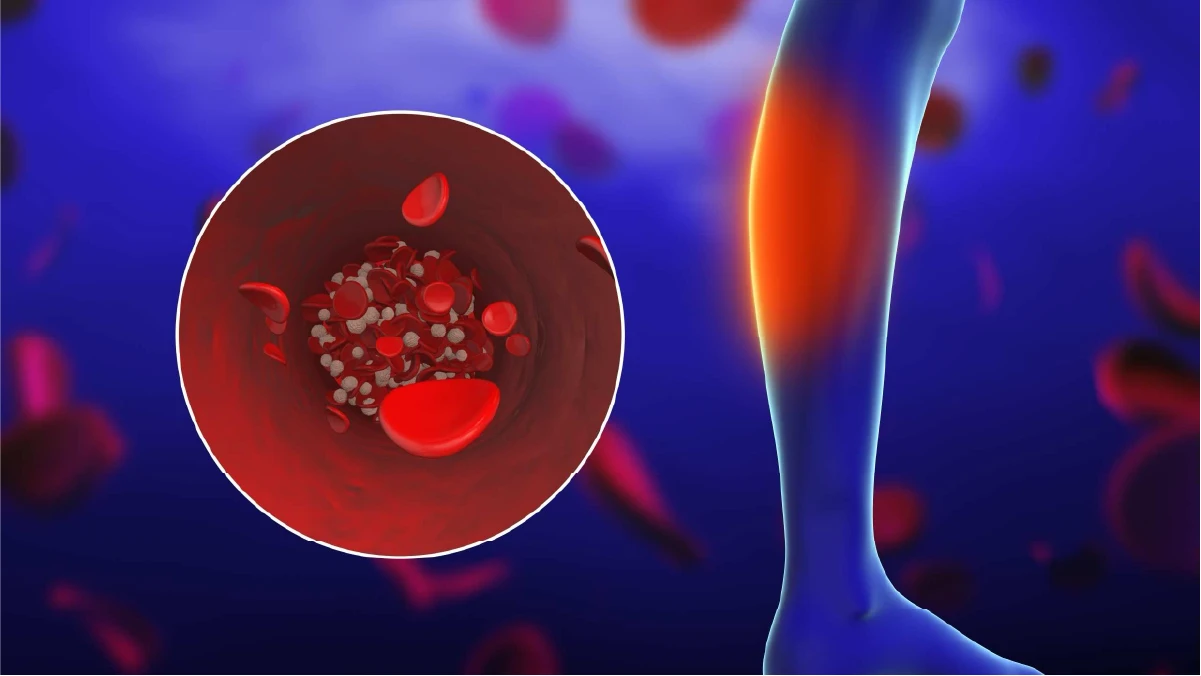
Blood clots form when blood thickens and collects within a blood vessel. While clotting is a normal part of healing, clots that develop inside veins can interfere with circulation.
Superficial vein thrombosis (SVT) occurs when a clot forms in a vein close to the skin’s surface. These clots may cause localized pain, redness, warmth, or swelling.
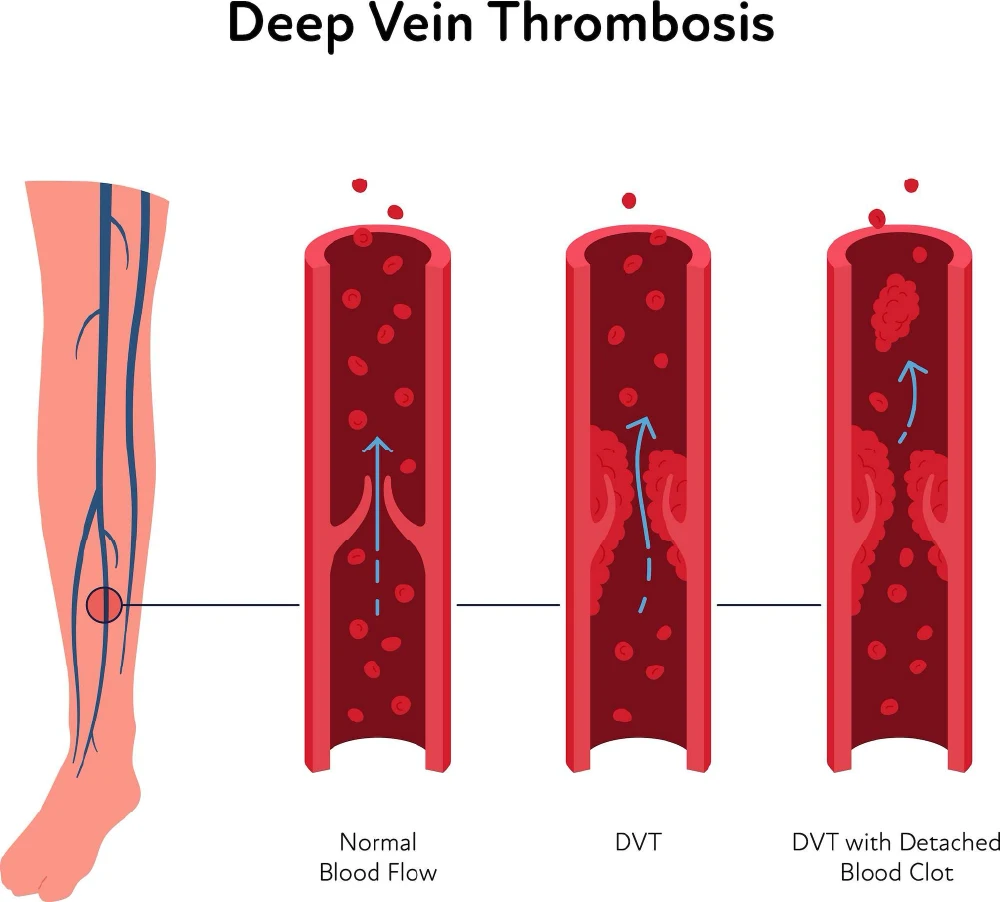
Deep vein thrombosis occurs when a clot develops in a deeper vein, most commonly in the legs. DVT can obstruct blood flow and may lead to a pulmonary embolism if part of the clot travels to the lungs.
| Superficial Vein Thrombosis (SVT) | Zakrzepica żył głębokich (DVT) | |
| Location | Veins near the skin’s surface | Deeper veins, usually in the legs |
| Symptoms | Localized redness, warmth, and tenderness | Leg swelling, pain, warmth, or discoloration |
| Risks | May extend into deeper veins | Can lead to pulmonary embolism |
| Treatment | Depends on the clot’s location and severity | Often requires blood thinners |
While superficial blood clots generally carry a lower risk of complications, some can extend into deeper veins or occur alongside DVT. Both conditions require appropriate medical evaluation to determine the extent of the clot and whether treatment is necessary.
What Is a Pulmonary Embolism?
A pulmonary embolism occurs when a blood clot, usually originating in a deep vein in the leg, breaks away and travels through the bloodstream to the lungs.
Once there, the clot can block blood flow through a pulmonary artery, affecting circulation and placing strain on the heart and lungs.
The severity of a pulmonary embolism depends on factors such as the size and location of the clots and how much blood flow is affected. Because pulmonary embolism can become life-threatening, immediate medical attention is essential.
What Are the Warning Signs of DVT and Pulmonary Embolism?
Blood clot symptoms can vary, and some people experience few or no noticeable warning signs.
Common Symptoms of DVT
- Leg swelling: Often affects one leg, particularly around the calf or ankle.
- Calf pain or tenderness: May feel like cramping, aching, or persistent soreness.
- Warmth: The affected area may feel warmer than the surrounding skin.
- Skin discoloration: Redness or other color changes may develop around the clot.
Because these symptoms can resemble muscle injuries or other conditions, medical testing is necessary to confirm DVT.
Warning Signs of Pulmonary Embolism
- Unexplained shortness of breath
- Chest pain, especially when breathing deeply
- Rapid breathing or heartbeat
- Coughing, sometimes with blood
- Dizziness, lightheadedness, or fainting
New or unexplained one-sided leg swelling, particularly with pain or warmth, requires prompt medical evaluation for possible DVT.
If you experience symptoms of a pulmonary embolism, call 911 immediately.
Can Healthy, Active People Develop Blood Clots?
Yes. Although physical activity supports healthy circulation, it does not eliminate the possibility of developing blood clots.
Several factors can increase clotting risk, including:
- Injury or trauma to blood vessels
- Prolonged sitting or immobility
- Recent surgery or hospitalization
- Previous DVT or pulmonary embolism
- Family history or inherited clotting disorders
- Pregnancy or certain hormonal medications
- Cancer and other medical conditions
- Obesity and increasing age
How Are Blood Clots Diagnosed and Treated?
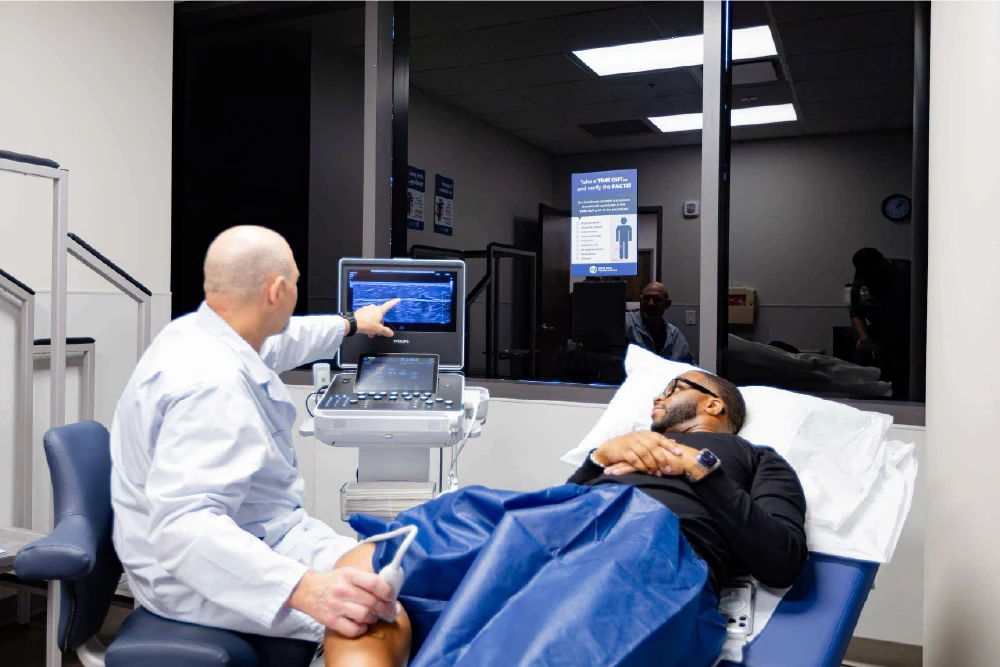
Healthcare providers commonly use duplex ultrasound to evaluate suspected DVT. This imaging test examines the veins and helps identify the location and extent of a clot.
Additional testing may include D-dimer blood tests or other imaging studies. When pulmonary embolism is suspected, computed tomography pulmonary angiography (CTPA) is commonly used to examine blood vessels in the lungs.
Treatment depends on the severity and location of the clot. Anticoagulants, commonly called blood thinners, are often prescribed to prevent existing clots from growing and reduce the risk of additional clots forming.
More severe cases may require additional medications or procedures. Treatment duration and recovery recommendations vary depending on the patient’s condition and medical history.
Can DVT Cause Long-Term Vein Problems?
Some people experience ongoing leg symptoms after recovering from DVT.
A blood clot can damage vein valves, making it harder for blood to circulate efficiently from the legs toward the heart. This may lead to post-thrombotic syndrome, a condition associated with persistent swelling, aching, heaviness, and skin changes.
These symptoms can resemble chronic venous insufficiency (CVI), which develops when weakened or damaged vein valves allow blood to flow backward and collect in the legs.
Although DVT and CVI are different conditions, a previous blood clot can contribute to long-term venous circulation problems.
Can Blood Clots Be Prevented?
Not every blood clot is preventable, but certain habits may help reduce risk.
Regular movement, avoiding prolonged sitting, and following medical recommendations after surgery or injury can help support circulation.
During long-distance travel, walking periodically and moving the ankles and calves while seated may help reduce prolonged inactivity.
People with previous blood clots or other significant risk factors should discuss additional preventive measures with their healthcare provider.
Często zadawane pytania
Yes. Some superficial blood clots can extend into deeper veins, although not every superficial clot progresses to DVT. In some cases, both conditions may occur together.
Yes. Some people experience few or no noticeable symptoms, while others develop swelling, pain, warmth, or skin discoloration.
Recovery varies depending on the clot’s size and location, treatment, and individual medical factors. Some clots gradually resolve over weeks or months, while others may cause lasting vein damage.
Yes. A pulmonary embolism occurs when part of a blood clot, often from a deep vein in the leg, breaks away and travels to the lungs, where it can block blood flow. Symptoms may include sudden shortness of breath, chest pain, rapid heartbeat, or fainting. A pulmonary embolism is a medical emergency that requires immediate attention.
Know When to Seek Care for Leg Symptoms
Blood clots can develop for several reasons, and their symptoms are not always easy to recognize. While not every instance of leg pain or swelling indicates DVT, unexplained changes should not be ignored.
New or unexplained one-sided leg swelling, particularly with pain or warmth, requires prompt medical evaluation for possible DVT. Symptoms of pulmonary embolism, including difficulty breathing, chest pain, coughing up blood, or fainting, require immediate emergency care.
For ongoing, non-emergency symptoms such as leg swelling, aching, heaviness, skin discoloration, or visible veins, United Vein & Vascular Centers offers vein screenings to help determine whether an underlying vein condition may be contributing to your discomfort.
Request a vein screening at United Vein & Vascular Centers to better understand your leg symptoms and vein health.