
Zawartość
- Q: Are spider veins always cosmetic, or could they be a sign of something more?
- Q: What vein conditions can cause spider veins?
- Q: How do doctors determine if spider veins are connected to a deeper problem?
- Q: When should someone seek evaluation for spider veins?
- Q: If spider veins are related to vein disease, what treatment options are available?
- Często zadawane pytania
- What’s Next in the Ask the Doc Series
Welcome back to Ask the Doc, an educational series from United Vein & Vascular Centers designed to provide clear, physician-led answers to common questions about vein and vascular health. Each week, a UVVC physician explains everyday symptoms and what they may mean medically.
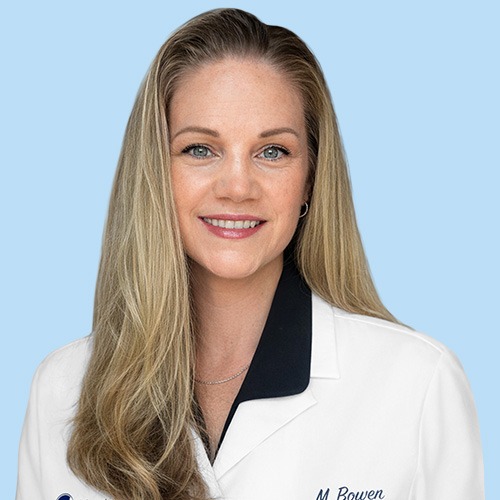
In this installment, Dr. Megan Bowen answers a question many patients ask when they first notice visible veins:
“Are spider veins always cosmetic, or could they be a sign of something more?”
Q: Are spider veins always cosmetic, or could they be a sign of something more?
Dr. Bowen:
Spider veins are small, visible, veins that appear near the surface of the skin. Many people think of them as purely cosmetic, but in some cases, they can be linked to underlying vein disease.
Q: What vein conditions can cause spider veins?
Dr. Bowen:
One of the most common underlying causes is venous reflux, a condition in which the valves inside the veins do not function properly. This allows blood to flow backward and pool in the legs instead of moving efficiently toward the heart.
Over time, this increased pressure can affect both larger veins and smaller surface veins, leading to the development of spider veins or varicose veins. In some cases, spider veins may be one of the earliest visible signs of vein dysfunction.

Q: How do doctors determine if spider veins are connected to a deeper problem?
Dr. Bowen:
A duplex ultrasound is the primary diagnostic tool used to evaluate vein health. This noninvasive imagining test allows providers to assess blood flow, valve function, and the structure of the veins in real time.
Ultrasound helps determine whether deeper veins are functioning properly and whether venous reflux is present. This information is essential for guiding treatment decisions and ensuring that any underlying issues are properly addressed.
Q: When should someone seek evaluation for spider veins?
Dr. Bowen:
If your spider veins appear along with symptoms, it may be worth having them evaluated.
This can include:
- Leg heaviness
- Swelling
- Swędzenie
- Dyskomfort
Even in the absence of symptoms, evaluation may be helpful if spider veins are spreading, returning after treatment, or becoming more noticeable over time. A vein specialist can determine whether the veins are cosmetic or related to a circulation issue and recommend the most appropriate next steps.
Q: If spider veins are related to vein disease, what treatment options are available?
Dr. Bowen:
Treatment depends on whether the spider veins are purely cosmetic or linked to an underlying circulation problem.
At United Vein & Vascular Centers, care is focused on identifying and treating the source of the issue. If deeper vein dysfunction is present, minimally invasive vein procedures may be recommended to improve circulation and reduce pressure in the vein system. However, we do not treat cosmetic spider veins.
These treatments are performed in an outpatient setting, typically require little to no downtime, and are tailored to each patient’s symptoms and ultrasound findings.
Addressing both the visible veins and any underlying condition can help improve both appearance and overall leg comfort.
Często zadawane pytania
Not always. While many spider veins are cosmetic, they can sometimes be associated with underlying vein disease, especially if symptoms are present.
Spider veins themselves do not typically turn into varicose veins, but both can develop from the same underlying circulation issues.
Evaluation typically includes a physical examination and, if needed, a duplex ultrasound to assess blood flow and check for venous reflux.
They can. In some cases, spider veins may be a n early sign of chronic venous insufficiency, particularly when accompanied by symptoms like swelling or heaviness.
Treatment options may include sclerotherapy for surface veins and minimally invasive procedures for underlying vein disease, depending on the cause. However, United Vein & Vascular Centers does not treat spider veins.
What’s Next in the Ask the Doc Series
Spider veins may seem like a minor concern, but in some cases, they can point to deeper circulation issues that deserve attention. The Ask the Doc series continues to explore how visible symptoms can connect to underlying vein health issues.
In our next installment, Dr. Hedson Desir will address another important question: why do my legs feel heavy when I stand but better when I elevate them? He’ll explain how changes in circulation can lead to leg heaviness, why standing tends to worsen symptoms, and how elevating the legs can provide temporary relief.
If you’re noticing changes in your veins or experiencing symptoms like heaviness, swelling, or discomfort, you don’t have to wait, find a UVVC vein clinic near you and schedule an evaluation with a board-certified vein doctor today.
Medically reviewed by Dr. Domenic Zambuto, National Medical Director at United Vein & Vascular Centers. Board-certified in vascular and interventional radiology, Dr. Zambuto has more than 20 years of experience treating vascular disease and helping patients manage complex vein and circulatory conditions.