

Angiogram Imaging to Evaluate Arterial Blood Flow
What Is an Angiogram?
An angiogram is an image-guided procedure that allows your physician to see how blood flows through your arteries and identify areas of narrowing or blockage.
At United Vein & Vascular Centers, angiograms may be used to evaluate circulation problems and gather detailed information that can help guide treatment planning.
An angiogram may be recommended for symptoms such as:
- Leg pain or cramping while walking
- Foot or leg pain at rest
- Numbness or weakness
- Coldness in the feet or legs
- Skin color changes
- Slow-healing sores or wounds
- Reduced walking distance or mobility
These symptoms can have several possible causes. A vascular specialist can determine whether an angiogram or another type of vascular imaging may be appropriate. Schedule a consultation to learn more.
Poproś o konsultację
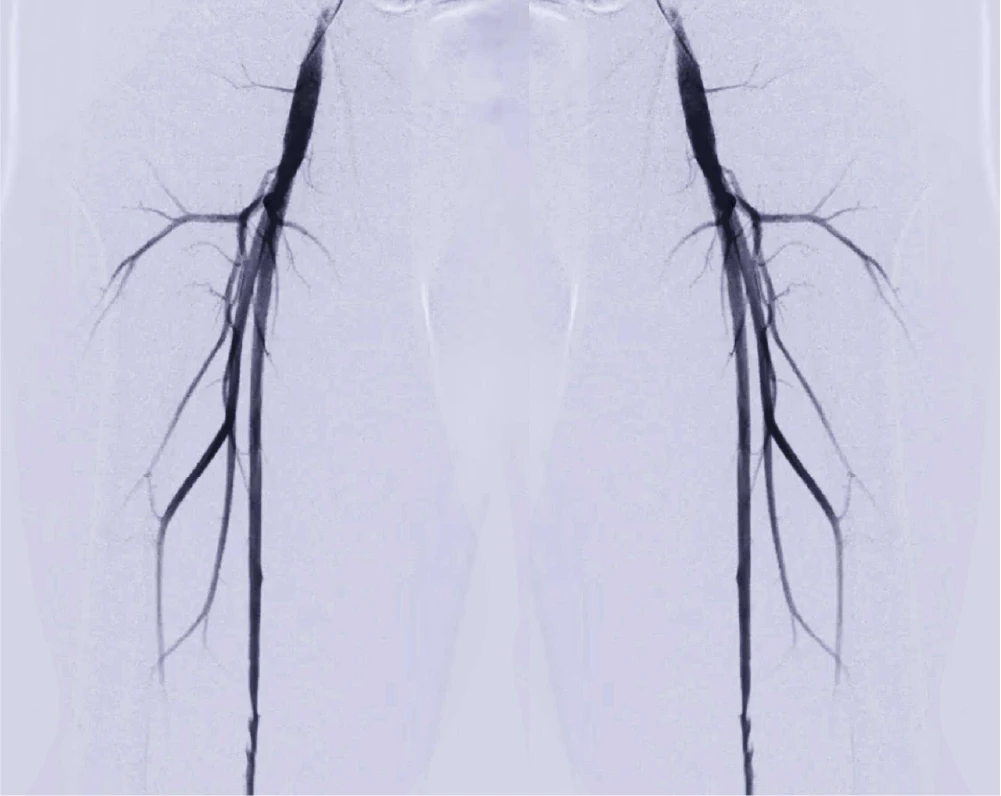
How Does an Angiogram Work?
An angiogram uses contrast dye and X-ray imaging to create detailed pictures of the arteries and blood flow.
During the procedure:
1. A small access point is created in a blood vessel.
2. A thin catheter is guided toward the area being evaluated.
3. Contrast dye is introduced into the artery.
4. X-ray images show how blood is moving through the vessels.
These images allow your physician to identify areas where an artery may be narrowed or blocked and evaluate how circulation is being affected.
Because angiography provides real-time images of the arteries, it can give your physician detailed information to help guide the next step in care.
What Conditions Can an Angiogram Evaluate?
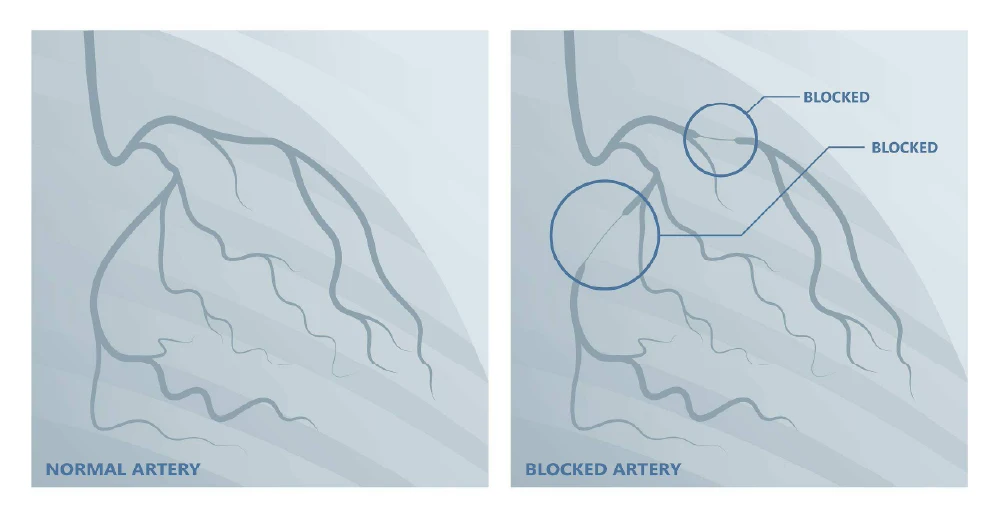
Angiograms are commonly used to evaluate arterial circulation problems, including:
Choroba tętnic obwodowych (PAD)
Peripheral artery disease occurs when arteries become narrowed or blocked, reducing blood flow to the legs and feet.
Arterial Blockages
Areas of narrowing or blockage may limit circulation and contribute to symptoms such as pain, cramping, numbness, or reduced mobility.
Atherosclerosis is the buildup of plaque inside the arteries that can narrow blood vessels and reduce blood flow.
An angiogram may also be used when previous testing suggests reduced circulation and more detailed arterial imaging is needed.

What to Expect During an Angiogram
An angiogram is performed using image guidance to help the physician visualize the arteries and guide the procedure with precision.
During the procedure, the access area is prepared for comfort before a catheter is guided through the blood vessel. Contrast dye is then introduced so the arteries appear clearly on X-ray imaging.
You may notice a temporary warm sensation when the contrast dye is introduced.
The length of the procedure may vary depending on the area being evaluated and whether additional treatment is performed.
Can Treatment Be Performed During an Angiogram?
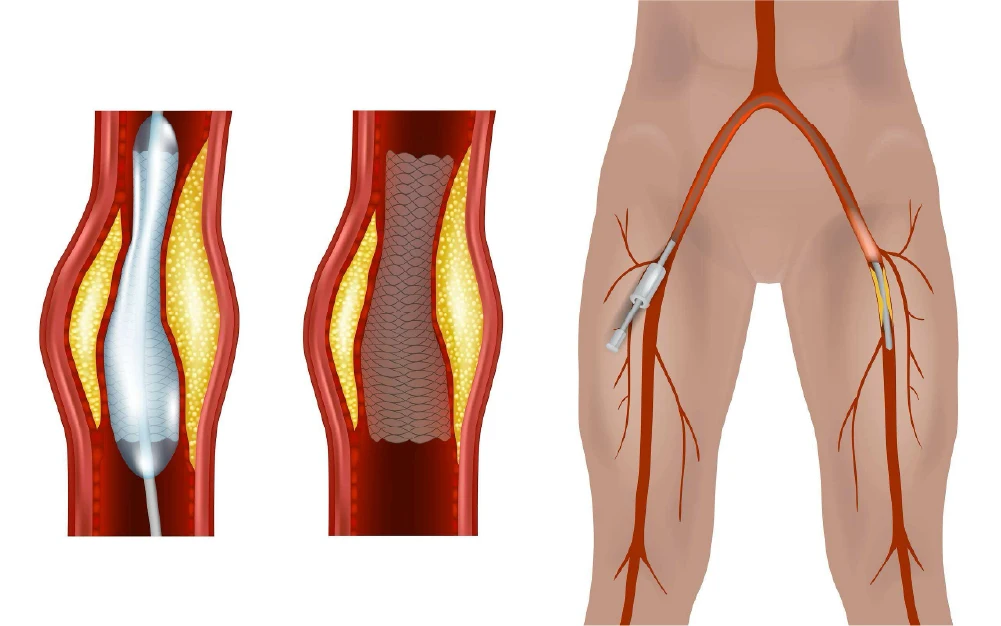
In some cases, treatment may be performed after an angiogram identifies an area of narrowing or blockage and the physician determines that treatment is appropriate.
Possible minimally invasive vascular procedures may include:
Angioplasty, which uses a small balloon to widen a narrowed artery and help improve blood flow
Stenting, which uses a small mesh tube to help keep a narrowed artery open
Atherectomy, which removes buildup inside an artery to help improve circulation
Intravascular lithotripsy, which uses sonic pressure waves to help break up hardened calcium within an artery, allowing it to expand more effectively and help improve blood flow
Not every angiogram leads to treatment.
Recommendations depend on your symptoms, imaging findings, medical history, and individual needs.

Why Angiograms Are Important
Reduced blood flow can affect walking, comfort, mobility, and everyday activities. An angiogram gives your physician a detailed view of the arteries, helping identify where circulation may be limited and how significantly blood flow is affected.
The information gathered during an angiogram can support more precise treatment planning and help determine whether a minimally invasive vascular procedure may be appropriate.
When Should You Consider an Angiogram?
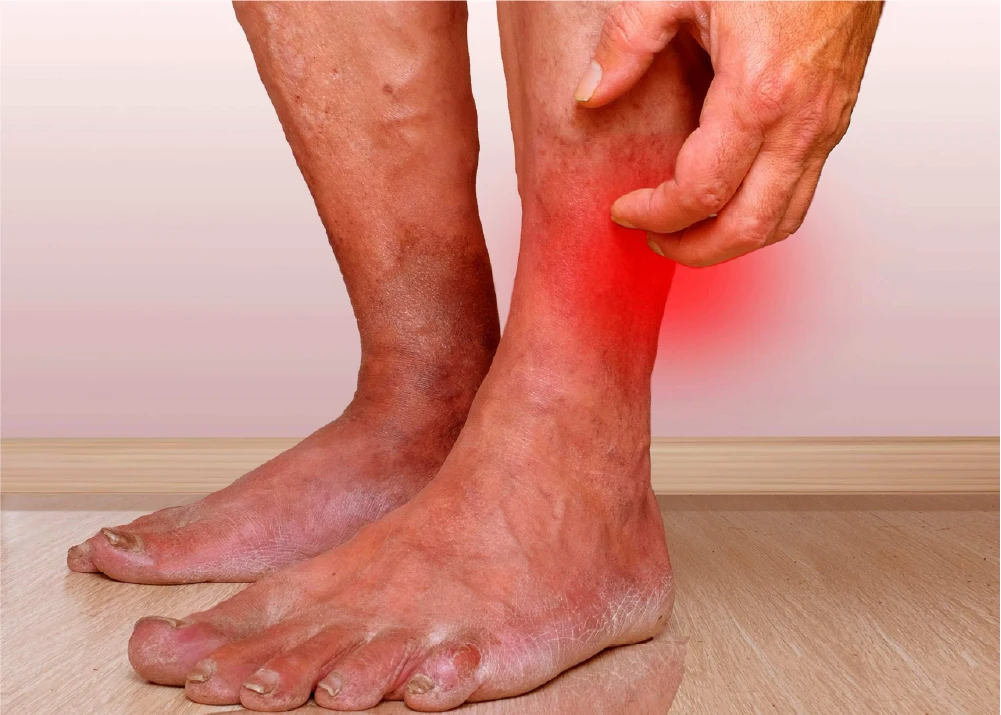
An angiogram may be considered when circulation-related symptoms persist, previous testing suggests arterial disease, or more detailed imaging is needed to understand blood flow.
You may benefit from vascular evaluation if you experience:
- Persistent leg pain or cramping with activity
- Foot or leg pain at rest
- Cold or numb feet
- Changes in skin color
- Slow-healing wounds
- Reduced walking ability or mobility
Powiązane artykuły