Spider Veins: Causes, Symptoms, & Treatments
What are Spider Veins?
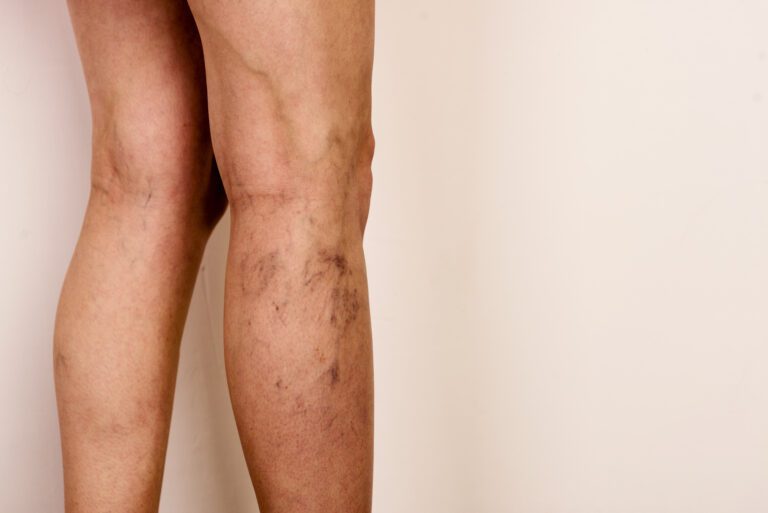
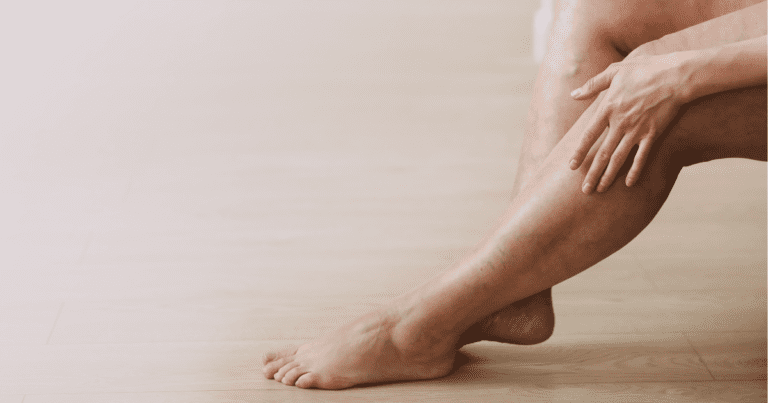
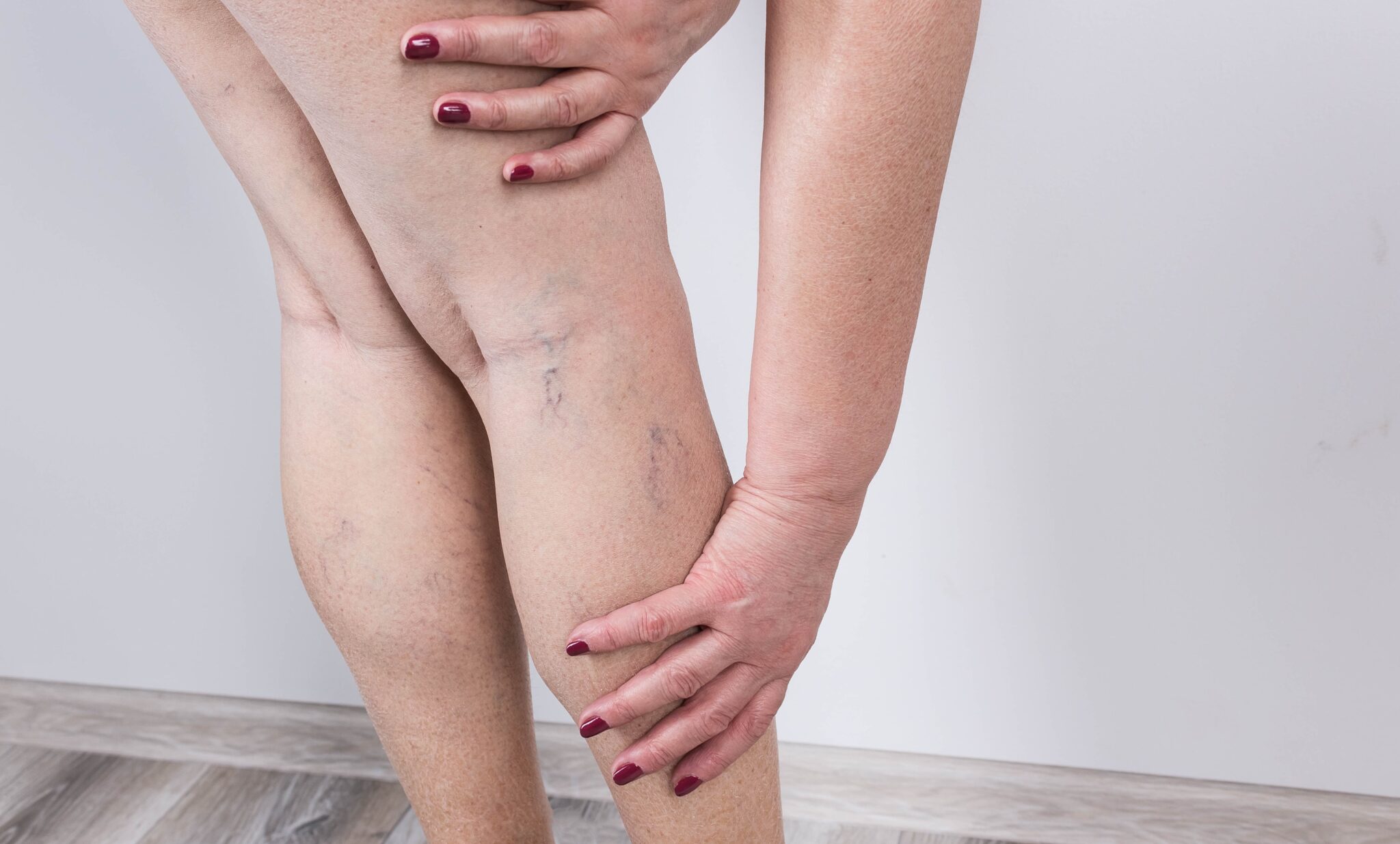
Spider veins are small, damaged veins that appear close to the surface of the skin. They often look like thin red, blue, or purple lines or web-like clusters, most commonly on the legs and ankles.
Are Spider Veins Just Cosmetic?
Many people think of spider veins and reticular veins as a cosmetic issue, but they can also be a visible sign of poor circulation or underlying vein disease, especially when they appear along with leg pain, heaviness, swelling, or restless legs. Ignoring these signs can allow symptoms to worsen over time.
At United Vein & Vascular Centers, we evaluate spider veins to see if they indicate an underlying vein condition, then address the root cause. We do not treat cosmetic spider veins.
Common Symptoms of Spider Veins
- Aching, throbbing, or burning around visible veins
- Leg heaviness or fatigue, especially after standing or sitting
- Itching or tenderness over spider vein clusters
- Restless or “jittery” legs, particularly at night
- Mild swelling in the lower legs or ankles
If you are experiencing any of the symptoms above, contact a UVVC vein clinic near you today.
Request a Vein Screening
What Causes Spider Veins?
Spider veins typically develop when vein walls or valves become weak or damaged, allowing blood to pool and increase pressure in nearby veins. Risk factors include:
- Family history of spider veins, varicose veins, or venous insufficiency
- Prolonged standing or sitting at work or home
- Embarazo y cambios hormonales
- Aging, as veins lose elasticity over time
- Excess weight, which adds pressure to leg veins
- Previous vein problems or blood clots
Even if your spider veins seem “small,” they can be an early warning sign that your veins are under strain. That’s why a medical evaluation is important, not optional.
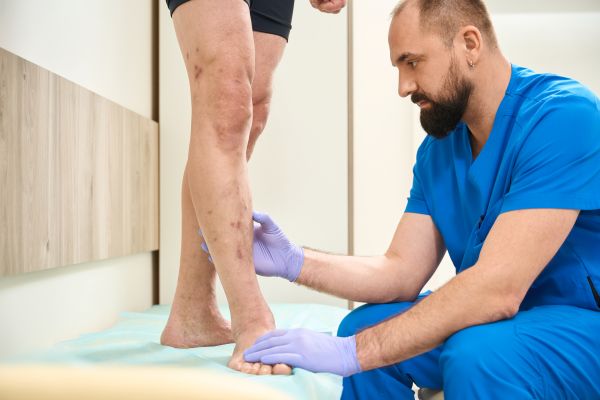
How Spider Veins Are Diagnosed?
At United Vein & Vascular Centers, your visit may include a detailed medical history, symptom review, a physical exam focused on your legs and skin changes, and when needed, a diagnostic ultrasound to evaluate deeper veins and check for venous reflux. This allows us to determine whether your spider veins are isolated or part of a larger vein problem, and to recommend the right treatment plan, rather than simply masking the appearance.
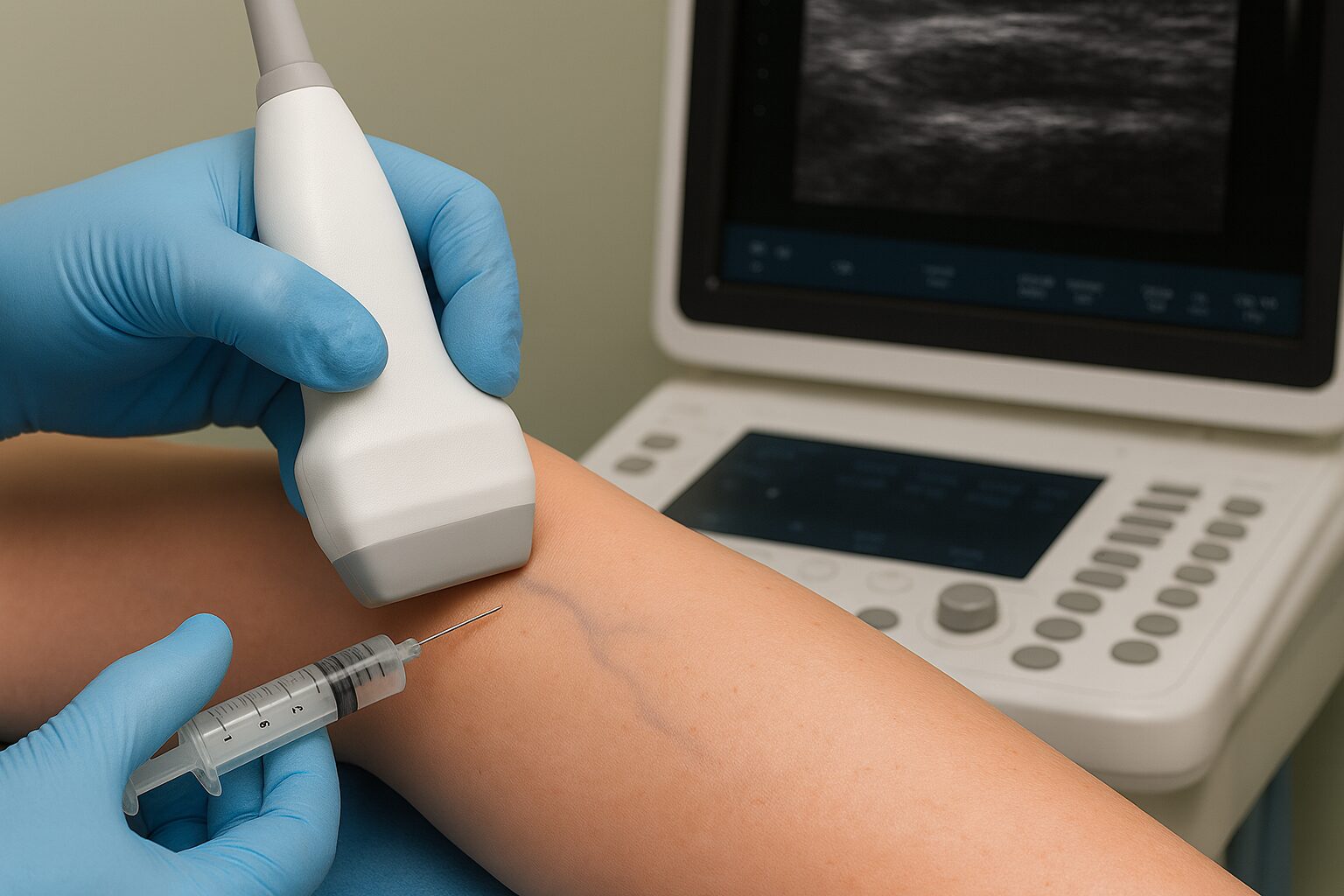
Spider Vein Treatment Options
While UVVC does not treat spider veins for cosmetic purposes, we do diagnose and treat the underlying vein disease that often causes spider veins to appear.
Comprehensive Vascular Ultrasound – A noninvasive ultrasound to identify venous insufficiency, reflux, or underlying vein disease that may be causing spider veins
Personalized Treatment Plan – Based on your ultrasound results, your provider may recommend minimally invasive treatments that address faulty veins and improve circulation
Radiofrequency Ablation (RFA) – A minimally invasive procedure that closes unhealthy, refluxing veins to restore proper blood flow and reduce symptoms
Sclerotherapy – For underlying enlarged or refluxing veins, not surface cosmetic spider veins
VenaSeal™ – A medical adhesive used to seal diseased veins contributing to spider veins and symptoms like heaviness or aching
Compression Therapy – Often recommended before and after treatment to support vein health and circulation
Preguntas frecuentes
United Vein & Vascular Centers offers treatment at 50+ clinic locations nationwide. While we do not treat cosmetic spider veins, our specialists diagnose and treat the underlying vein conditions that can cause them, such as chronic venous insufficiency. If you’re experiencing symptoms or changes in your legs, a vein screening can help determine whether medical treatment is needed.
Find a clinic near you.
Sclerotherapy is the best way to get rid of spider veins. However, at United Vein and Vascular Centers our focus is on treating the underlying cause, not cosmetic treatment for spider veins.
Spider veins do not automatically mean you have poor circulation, but they can sometimes be a more obvious sign of an underlying circulation issue in the legs. It is important to identify the cause of those pesky blue and purple veins to avoid future spider vein appearances.
Spider veins are usually a sign of damaged veins in the skin and are often more of a cosmetic issue than a disease by themselves. They can, however, be a visible indication of underlying venous reflux or early vein disease in some people.
Castor oil does not remove or cure spider veins, but it may slightly soothe the skin or leg discomfort for some people.
Artículos relacionados