
As temperatures drop and routines shift indoors, many people begin to notice their varicose vein symptoms worsening during winter. Leg aching, heaviness, swelling, and fatigue often feel more pronounced in colder months, leading many to wonder whether winter is the wrong time to seek treatment.
In reality, winter is often the best time for vein treatment. From reduced swelling to easier recovery and better long-term results, colder months offer several advantages that make treatment more convenient and effective.
Understanding how winter affects circulation, and why treatment timing matters, can help you plan care that fits comfortably into your schedule and supports better outcomes.
How Winter Affects Circulation and Vein Symptoms
Cold weather naturally changes how blood flows through the body. To conserve heat, blood vessels constrict, which can make circulation less efficient, especially in the legs.
For people with varicose veins or chronic venous insufficiency, this can lead to:
- Increased leg heaviness or aching
- More noticeable swelling after standing or sitting
- Fatigue or tightness in the calves
- Worsening discomfort at the end of the day
These winter circulation issues are one reason many patients finally seek evaluation during colder months.
Why Winter Is Ideal for Vein Treatment
While symptoms may feel worse in winter, the season creates optimal conditions for recovery and healing.
Reduced swelling improves recovery
Cold temperatures naturally reduce inflammation and swelling. After vein treatment, less swelling often means:
- Improved comfort
- Faster healing
- Easier movement during recovery
This can make winter recovery feel smoother compared to warmer months, when heat can worsen inflammation.
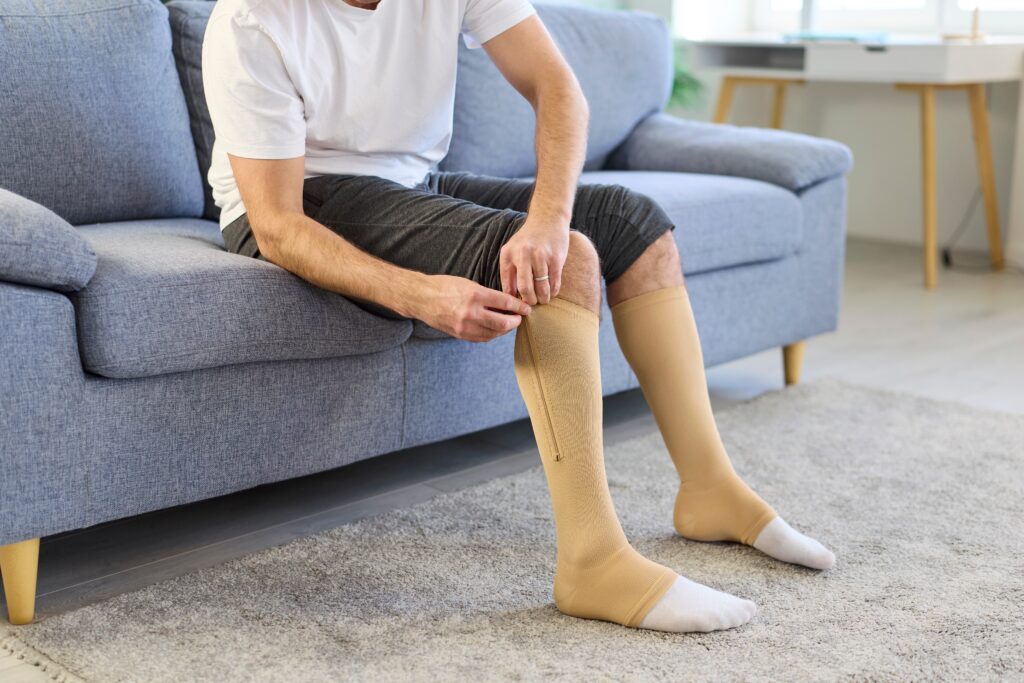
Compression is easier in winter
Some vein treatments require or recommend compression stockings during recovery. In winter:
- Compression fits comfortably under pants and boots
- Patients are more consistent wearing them
- There’s less concern about heat or discomfort
This supports better healing and treatment outcomes.
Limited sun exposure supports skin healing
Sun exposure after vein treatment can increase the risk of skin discoloration. Winter’s lower UV exposure makes it easier to protect treated areas, especially when wearing longer clothing.
Recovery fits better into winter routines
Many people are less active outdoors during winter, making it easier to:
- Follow recovery instructions
- Avoid strenuous activity
- Take walking breaks indoors
- Schedule follow-ups
This natural slowdown helps patients stay compliant with post-treatment care.
Results are ready by spring and summer
Treating varicose veins in winter allows healing to occur well before warmer weather arrives, meaning improved comfort and appearance when you’re ready to be more active again.
Winter vs Summer: Timing Matters
Some patients delay treatment until warmer months, assuming summer is more convenient. In reality, summer can introduce challenges such as:
- Heat-related swelling
- Difficulty wearing compression
- Sun exposure concerns
- Disrupted recovery due to travel or outdoor activity
Winter avoids many of these issues, making it one of the most practical times to move forward.
Treatment Options Commonly Performed in Winter
Modern vein treatments are minimally invasive and well-suited for winter scheduling.
VenaSeal
VenaSeal™ uses a medical adhesive to close diseased veins without heat or tumescent anesthesia.
Why it works well in winter:
- Minimal inflammation
- Little to no downtime
- Compression often not required
- Many patients resume routine activities the same day
Ablación por radiofrecuencia (ARF)
RFA uses controlled heat to seal faulty veins and redirect blood flow.
Winter advantages:
- Reduced swelling supports healing
- Compression is easier to manage
- Recovery aligns well with indoor routines

Does Winter Swelling Mean You Should Wait?
Seasonal swelling can make symptoms more noticeable, but it doesn’t mean you should delay care. In fact, swelling is often a sign that treatment may help relieve underlying venous pressure.
A vein evaluation can determine whether swelling is temporary or related to venous insufficiency.
Preguntas frecuentes
Cooler temperatures reduce inflammation and swelling, which can make recovery more comfortable and predictable.
Yes. Cold constricts blood vessels and slows circulation, often making varicose vein symptoms more noticeable.
Winter schedules are often more flexible for patients, making it easier to book evaluations and follow-up visits without summer travel disruptions.
Swelling can feel worse due to reduced movement and circulation, even though cold itself reduces inflammation.
Yes. Avoiding sun exposure helps reduce the risk of skin discoloration, something that’s easier during winter.
When To Seek Care and How UVVC Can Help
If leg aching, swelling, heaviness, or visible varicose veins worsen during winter, or have been lingering for months, it may be time for an evaluation. Seasonal symptoms often reveal underlying vein disease that benefits from treatment.
At United Vein & Vascular Centers, our specialists offer comprehensive evaluations and personalized treatment plans using minimally invasive techniques designed for fast recovery and long-term relief.
Find a clinic near you and schedule your consultation today.
Medically reviewed by UVVC National Medical Director, Dr. Domenic Zambuto