



Contenido
- Q: What causes numbness in the legs and feet?
- Q: Why do my legs go numb when I sit or stand?
- Details to Notice Before Your Appointment
- Q: Can poor circulation cause leg numbness?
- Q: When should I worry about leg numbness?
- Q: How is the cause of recurring leg numbness diagnosed?
- Q: How can I stop numbness in my legs and feet?
- Q: How can UVVC help if I have numbness and other leg symptoms?
- Preguntas frecuentes
- Recurring Leg Numbness Deserves an Explanation
Medically reviewed by Dr. Domenic Zambuto, National Medical Director at United Vein & Vascular Centers. Board-certified in vascular and interventional radiology, Dr. Zambuto has more than 20 years of experience treating vascular disease and helping patients manage complex vein and circulatory conditions.
Welcome back to Ask the Doc, an educational series from United Vein & Vascular Centers where our physicians help patients make sense of symptoms that can be noticeable, uncomfortable, and sometimes difficult to describe. By looking beyond the symptom itself, each installment explores the patterns that may help identify its source and determine when further evaluation is appropriate.
In this installment, Dr. Hedson Desir explains what causes leg numbness, how nerve and circulation problems may differ, and when recurring symptoms need medical attention.
Key Takeaway: Leg numbness often involves temporary nerve pressure, nerve damage, or a problem affecting nerves in the lower back. Certain medical conditions, medications, and reduced arterial blood flow can also contribute. Vein disease may coexist with altered sensations, but persistent loss of feeling should not automatically be attributed to venous insufficiency. Sudden numbness, particularly with weakness or other neurological changes, requires immediate attention.
Q: What causes numbness in the legs and feet?
Dr. Desir:
Numbness means that sensation is reduced or absent. It is different from tingling, which adds a prickling or pins-and-needles feeling, although the two often occur together.
A familiar example is a leg that falls asleep after you sit in an awkward position. Pressure can temporarily affect a nerve and its blood supply. Feeling usually returns after the pressure is removed. Persistent or recurring numbness may have a different explanation.
Possible causes include:
- Pressure on a nerve from posture or prolonged positioning
- A compressed nerve in the lower back
- Peripheral neuropathy, including diabetes-related nerve damage
- A nerve injury
- Certain vitamin deficiencies or metabolic conditions
- Medication effects
- Reduced blood flow through the arteries
- Conditions affecting the brain or spinal cord
The distribution matters. A small numb patch follows a different pattern from symptoms extending from the buttock down one leg. Numbness involving both feet and gradually moving upward may suggest a more generalized nerve problem, such as peripheral neuropathy.
A useful evaluation considers that pattern rather than assuming every numb leg has the same cause.
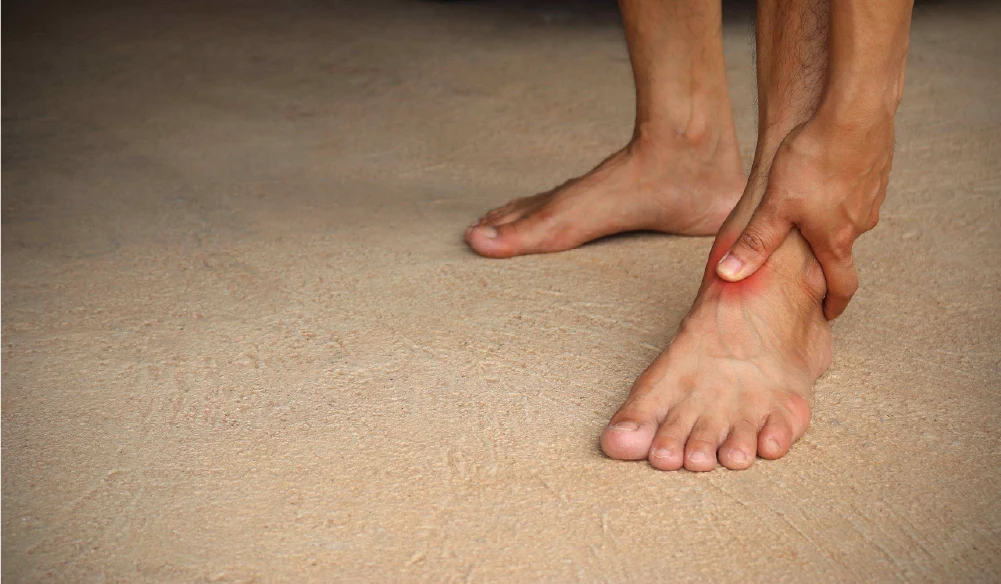
Q: Why do my legs go numb when I sit or stand?
Dr. Desir:
When symptoms follow a particular position, that position provides a clue.
Sitting with your legs crossed, kneeling, or placing prolonged pressure on part of a leg may cause temporary numbness. If uncrossing your legs or shifting position restores normal feeling within a short time, temporary nerve pressure may explain the episode.
Numbness that repeatedly occurs while standing or walking can involve the spine. Lumbar spinal stenosis is narrowing around the nerves in the lower back. Some patients develop numbness, pain, or weakness while upright and find relief when sitting or leaning forward. This differs from leg pain caused by reduced arterial blood flow, which often eases after a brief rest even while standing still.
Prolonged standing can also aggravate swelling and discomfort from vein disease. However, actual loss of sensation should not simply be explained as “standing too long.”
Details to Notice Before Your Appointment
| What happens | What to tell your provider |
| The leg falls asleep after a particular sitting position | Where pressure was placed and how quickly feeling returned |
| Symptoms develop while standing or walking | How long it takes, whether pain accompanies it, and whether sitting helps |
| Numbness travels from the back or buttock into the leg | The route it follows and whether back position changes it |
| Both feet or lower legs remain numb | Whether symptoms are spreading, affecting balance, or becoming worse at night |
These observations help guide testing. They cannot confirm the cause without an examination.
Q: Can poor circulation cause leg numbness?
Dr. Desir:
Yes. Reduced arterial blood flow can cause numbness, but “poor circulation” is a broad phrase that can obscure important differences.
Arteries carry oxygen-rich blood into the legs and feet. Peripheral artery disease, or PAD, can reduce that supply. Associated symptoms may include walking-related aching or cramping, leg fatigue, a colder foot, color changes, or slow-healing sores.
Veins return blood toward the heart. When vein valves do not work effectively, blood can flow backward and collect in the lower legs. Venous insufficiency more commonly causes swelling, aching, heaviness, itching, and fatigue. Some patients also experience tingling or burning, but persistent numbness is not specific enough to establish a venous cause.
Someone can have vein disease and neuropathy at the same time. Visible veins or ankle swelling do not necessarily explain reduced sensation in the feet. Both concerns may need investigation.
Q: When should I worry about leg numbness?
Dr. Desir:
A brief episode that resolves after removing pressure is generally less concerning than numbness that persists, repeatedly returns, spreads, or affects walking.
Arrange an evaluation when you notice ongoing loss of feeling, balance changes, unexplained symptoms in one leg, or difficulty sensing injuries or temperature. Patients with diabetes should report new foot or leg numbness and have their feet examined regularly because reduced sensation can make injuries easier to miss.
Some changes require emergency care:
- Sudden numbness affecting one side of the body, especially with weakness, speech difficulty, facial drooping, vision changes, or loss of balance: Call 911 for possible stroke symptoms.
- New numbness around the groin or buttocks with difficulty urinating, loss of bladder or bowel control, or severe leg weakness: Seek emergency care for possible serious spinal nerve compression.
- Abrupt numbness with severe pain, a pale or cold foot, or difficulty moving the leg: Seek emergency evaluation for a possible interruption in arterial blood flow.
New numbness following a significant back, neck, or head injury also needs immediate medical attention.
Q: How is the cause of recurring leg numbness diagnosed?
Dr. Desir:
The examination starts with mapping the loss of sensation. A provider considers whether it affects a small patch, follows a path down one leg, or involves both feet and lower legs.
Strength, reflexes, balance, walking, and responses to touch or vibration may be assessed. Your medical history, medications, recent injuries, and other symptoms help determine the next tests. Depending on the findings, these may include blood tests, nerve conduction studies, or imaging of the spine.
Circulation testing may be appropriate when pulses, temperature, skin changes, or activity-related symptoms raise concern. An ankle-brachial index compares blood pressure at the ankle and arm to help assess arterial blood flow.
If accompanying symptoms suggest venous insufficiency, a venous Doppler ultrasound, typically performed as part of a duplex examination, can evaluate venous blood flow and identify reflux.
The goal is to select tests that answer the clinical question. A vein ultrasound does not rule out neuropathy or spinal nerve compression.
Q: How can I stop numbness in my legs and feet?
Dr. Desir:
Treatment depends on why sensation has changed. Temporary position-related numbness may resolve after you remove pressure and gently reposition the leg. Recurring symptoms require a more specific plan.
For an identified nerve problem, treatment may involve managing an underlying condition, physical therapy, medication review, or specialist care. For example, treating a confirmed vitamin deficiency differs from managing diabetes-related neuropathy or a compressed spinal nerve. Do not start high-dose supplements or stop prescribed medication without guidance.
Protecting numb areas is also important:
- Check the feet and affected skin for cuts, blisters, or pressure areas.
- Wear footwear that fits and protects the feet.
- Avoid heating pads or very hot water on areas with reduced sensation.
- Seek advice if numbness changes your balance or walking.
Reduced feeling can allow an injury to go unnoticed, even when there is little pain.
Compression stockings are not a general treatment for numbness. They may be useful for selected venous symptoms, but their suitability should be assessed, particularly when arterial disease is possible.
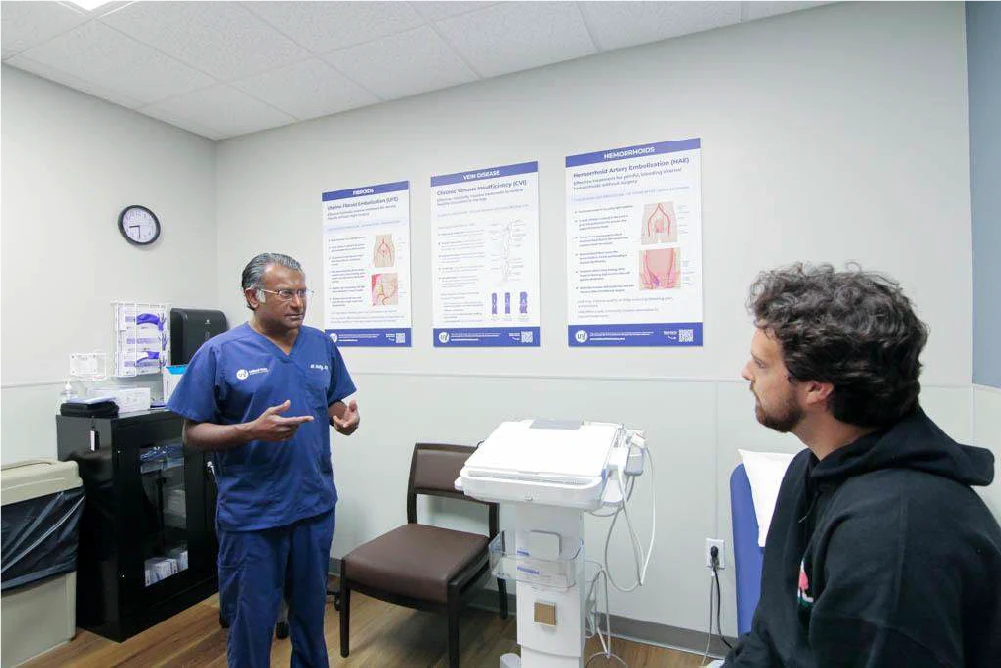
Q: How can UVVC help if I have numbness and other leg symptoms?
Dr. Desir:
United Vein & Vascular Centers can evaluate whether a vein condition may also be present when numbness occurs with swelling, aching, heaviness, or visible veins.
During a vein screening, the care team reviews the symptom history and examination findings. A diagnostic duplex ultrasound may be scheduled when further venous testing is appropriate. If the pattern suggests reduced arterial blood flow, a vascular consultation may be the better next step.
For confirmed symptomatic venous reflux, recommendations may include movement, elevation, appropriately selected compression, or a minimally invasive vein procedure. Options depend on the affected veins and may include:
- Radiofrequency ablation: A thin catheter delivers controlled thermal energy inside a malfunctioning vein. The vein closes, allowing blood to reroute through healthier veins.
- VenaSeal™: A small amount of medical adhesive seals an affected vein without heat. Blood returns through other functioning veins nearby.
- Varithena®: An injectable microfoam closes certain veins affected by reflux. Ultrasound guidance helps the physician monitor treatment in the targeted vessels.
- Ultrasound-guided sclerotherapy: Ultrasound imaging helps locate selected veins beneath the skin and guide an injectable solution or foam into them. Treatment closes those veins so blood can move through healthier pathways.
These procedures treat selected vein problems. They should not be presented as a cure for numbness caused by neuropathy, spinal disease, or another unrelated condition. A patient may need separate care for reduced sensation even when venous reflux is also identified.
Preguntas frecuentes
Temporary nerve pressure, sciatica, a local nerve injury, and other neurological or circulation conditions can affect one leg. The left side does not have a single unique explanation. The location, onset, and accompanying symptoms matter more than which side is affected. Sudden unexplained one-sided numbness requires urgent attention.
Yes. Reduced sensation can occur without pain. That does not establish that the cause is harmless. Persistent numbness still needs assessment, and painless injuries may be harder to notice when sensation is reduced.
Numbness describes diminished feeling, while tingling is an added sensation such as pins and needles. An affected sensory nerve may produce both. Tell your provider whether the area feels less sensitive, prickly, burning, or completely without feeling.
For unexplained numbness without other vein symptoms, a primary care evaluation is often a useful starting point. A vein screening may be appropriate when swelling, aching, heaviness, or visible veins are also present. Emergency symptoms should receive immediate care rather than wait for either appointment.
Recurring Leg Numbness Deserves an Explanation
A leg that repeatedly goes numb can affect confidence in your steps and make everyday injuries harder to detect. Note where the feeling changes, how long each episode lasts, and whether posture or activity affects it. Those details can help guide your evaluation.
If numbness occurs alongside swelling, aching, heaviness, or visible veins, request a vein screening at United Vein & Vascular Centers. Our care team can determine whether a vein condition may also be contributing to your leg symptoms.