
Contenido
- Q: What are the most common causes of extremely heavy legs?
- Q: What could be causing my legs to feel heavy and weak?
- Q: Why do my legs feel heavier after walking or standing?
- Q: Can poor circulation cause heavy legs?
- Q: What does leg heaviness from venous insufficiency feel like?
- Q: How do I get rid of heaviness in my legs?
- Q: When should I worry about heavy legs?
- Q: How can UVVC determine whether vein disease is causing my heavy legs?
- Preguntas frecuentes
- When Heavy Legs Keep Slowing You Down, Schedule a Vein Screening
Welcome back to Ask the Doc, where physicians from United Vein & Vascular Centers answer the questions that patients often ask about changes in their legs, circulation, and vascular health. Each installment takes a closer look at what a symptom may mean, the details that can help narrow down its possible causes, and when a vein screening or vascular evaluation may be an appropriate next step.
In this installment, Dr. Jojy George explains what can cause the legs to feel extremely heavy, why the sensation may become worse after walking or standing, and when it could be connected to an underlying circulation problem.
The short answer: Extremely heavy legs can be caused by muscle fatigue, prolonged inactivity, swelling, medication effects, joint or nerve problems, and conditions affecting the veins or arteries. When heaviness becomes worse later in the day or occurs with aching, swelling, visible veins, or ankle discoloration, chronic venous insufficiency may be contributing. Heaviness or weakness that develops during walking and improves with rest may follow a different circulation pattern and should also be evaluated.
Q: What are the most common causes of extremely heavy legs?
Dr. George:
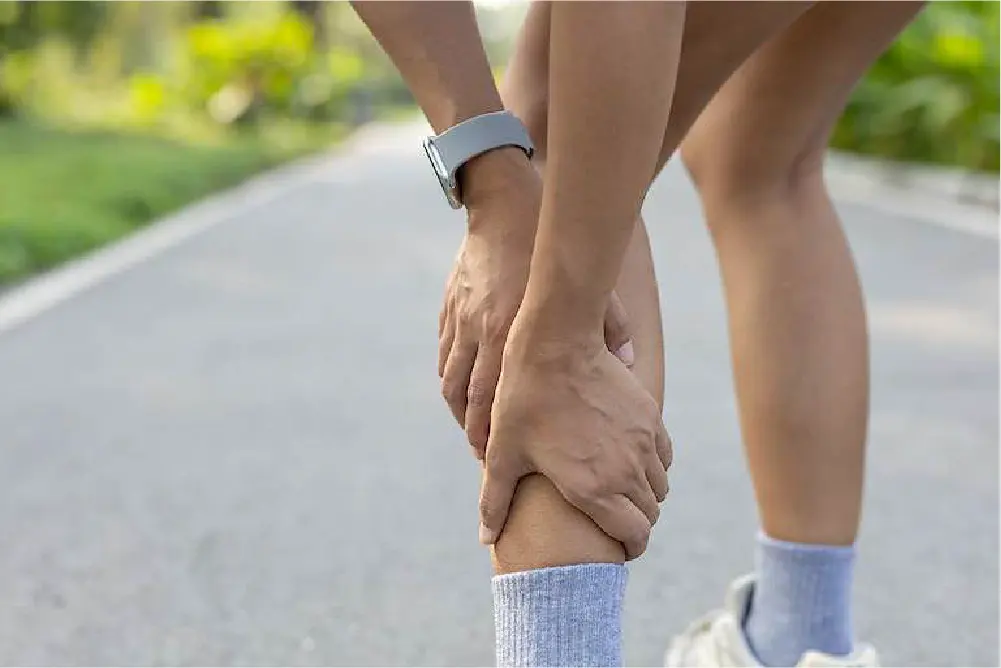
Leg heaviness is a description rather than a diagnosis. Patients may use the word “heavy” when their legs feel tired, tight, swollen, slow, unsteady, or unusually difficult to move. Those sensations can come from several parts of the body, including the muscles, joints, nerves, veins, arteries, and lymphatic system.
Common causes and contributing factors include:
- Muscle fatigue or overuse after exercise, a physically demanding day, or a sudden change in activity level
- Physical deconditioning, which can make ordinary walking or stair climbing require more effort
- Long periods of sitting or standing that allow fluid and blood to collect in the lower legs
- Chronic venous insufficiency, in which weakened vein valves allow blood to flow backward and pool in the legs
- Peripheral artery disease, which reduces the delivery of oxygen-rich blood to the leg muscles
- Swelling related to medications, pregnancy, lymphatic problems, or conditions affecting the heart, kidneys, liver, or thyroid
- Joint, tendon, or spine conditions that change how a person stands or walks
- Nerve irritation or damage that causes numbness, tingling, altered sensation, or weakness
More than one factor may be present. For example, someone may have knee arthritis and venous insufficiency at the same time. A useful evaluation considers where the sensation occurs, when it appears, what activity brings it on, what relieves it, and which other symptoms accompany it.

Q: What could be causing my legs to feel heavy and weak?
Dr. George:
“Heavy” and “weak” are often used together, but they do not always mean the same thing. Heaviness is a sensation. True weakness means that the muscles cannot produce their usual strength. A person with weakness may have difficulty rising from a chair, lifting the front of the foot, climbing stairs, maintaining balance, or supporting weight through one leg.
Fatigue, inactivity, pain, swelling, and poor sleep can make the legs feel weak even when muscle strength is intact. True weakness may also be associated with nerve compression, neuropathy, muscle disorders, medication effects, electrolyte or metabolic problems, or conditions affecting the brain or spinal cord.
Reduced arterial blood flow can cause fatigue, aching, or weakness during activity. Venous insufficiency more commonly creates a heavy, full, tight, or tired feeling that develops as the day progresses.
New weakness should not be assumed to be vein disease. Sudden weakness affecting one side of the body, particularly with facial drooping, difficulty speaking, confusion, severe dizziness, or loss of coordination, requires emergency medical attention.
Q: Why do my legs feel heavier after walking or standing?
Dr. George:
The answer depends on which activity triggers the symptom and what happens when you stop.
Heaviness that builds after prolonged standing may be related to the work the veins perform against gravity. Healthy valves help keep blood moving upward toward the heart. When the valves weaken, blood can flow backward and increase pressure in the lower-leg veins.
Patients may notice fullness, aching, swelling, or fatigue after spending hours on their feet. Walking or elevating the legs may provide some relief because movement activates the calf muscles and elevation reduces the effect of gravity.
Heaviness that consistently begins after walking a certain distance and improves after several minutes of rest raises a different question. Peripheral artery disease can limit blood flow to working muscles, causing exertional aching, cramping, fatigue, or weakness. Joint pain, spinal stenosis, footwear, muscle conditioning, and changes in the way a person walks can also make movement feel increasingly difficult.
Patients should pay attention to whether symptoms are triggered by standing still, active walking, or both. It is also helpful to note the distance or amount of time it takes for heaviness to begin and whether rest, elevation, or movement provides relief.
Q: Can poor circulation cause heavy legs?
Dr. George:
Yes, but the phrase “poor circulation” can refer to different problems. Veins return blood from the legs to the heart, while arteries deliver oxygen-rich blood from the heart to the legs. A problem in either system may affect comfort and mobility, but the patterns are not identical.
| Pattern | Possible Source | Details That May Accompany It |
| Worse after standing or sitting | Venous circulation | Aching, ankle swelling, tightness, visible veins, itching, or discoloration; may improve with walking or elevation |
| Begins while walking and eases with rest | Arterial circulation | Cramping, aching, fatigue, weakness, one foot that feels colder than the other, color changes, or slow-healing wounds |
| Heavy with numbness or tingling | Nerves or spine | Burning, pins and needles, back pain, altered sensation, balance problems, or true weakness |
| Stiff or difficult during the first steps | Muscles or joints | Soreness, restricted movement, joint pain, or improvement after warming up |
| Heavy with widespread swelling | Fluid retention or lymphatic causes | Tight skin, weight changes, medication changes, or swelling in both legs or other areas |
These patterns are clues, not diagnostic rules. Symptoms can overlap, and some patients have more than one condition. A clinical evaluation is needed to determine which system is involved.
Q: What does leg heaviness from venous insufficiency feel like?
Dr. George:
Patients with venous insufficiency often describe more than weight alone. The legs may feel full, tight, tired, achy, or slow by late afternoon. Shoes or socks may feel tighter, and the ankles may look less defined because of swelling. Some patients say their legs feel as though they are dragging even though they can still produce normal strength.
Venous insufficiency may be more likely to contribute when the heaviness:
- Builds later in the day
- Worsens after prolonged standing or sitting
- Improves after walking, elevating the legs, or resting overnight
- Occurs with swelling, aching, throbbing, cramping, or leg fatigue
- Appears alongside varicose veins or clusters of visible veins
- Occurs with itching, dryness, inflammation, or brownish discoloration near the ankles
Visible veins are helpful evidence when present, but their absence does not rule out venous reflux. Affected veins can lie beneath the skin and may only be identified with ultrasound imaging.
Q: How do I get rid of heaviness in my legs?
Dr. George:
The most effective approach depends on the cause. A measure that helps tired muscles may not address venous reflux, and compression that is useful for some vein-related symptoms may not be appropriate for someone with reduced arterial blood flow.
For mild or occasional heaviness, a healthcare provider may recommend practical measures such as:
- Changing position regularly instead of sitting or standing still for long periods
- Taking short walks and gradually building regular activity when movement is safe
- Performing ankle pumps or gentle calf movements during long periods of sitting
- Elevating the legs after standing when swelling or venous pressure is suspected
- Staying adequately hydrated and following individualized nutrition guidance
- Wearing supportive footwear and addressing gait, joint, or muscle concerns
- Reviewing medications and new symptoms with the prescribing provider
- Using compression stockings only when the correct type and pressure have been recommended
These steps may reduce discomfort, but they do not establish the cause or repair damaged vein valves. Heaviness that keeps returning, limits walking, or occurs with other circulation symptoms should be evaluated rather than managed indefinitely at home.
Q: When should I worry about heavy legs?
Dr. George:
An occasional heavy feeling after unusual activity may improve with rest. Concern increases when the symptom is new, persistent, worsening, clearly different between the legs, or interfering with ordinary movement.
Arrange a medical evaluation when heaviness:
- Makes walking, climbing stairs, or standing from a chair increasingly difficult
- Regularly begins after walking and improves with rest
- Occurs with ongoing swelling, visible veins, aching, or skin changes
- Is accompanied by numbness, tingling, balance changes, or true muscle weakness
- Occurs with a foot that is noticeably colder than the other, color changes, or a wound that is slow to heal
Seek prompt medical attention for sudden swelling, pain, warmth, tenderness, redness, or discoloration in one leg because these may be signs of deep vein thrombosis.
Call 911 for sudden shortness of breath, chest pain, coughing up blood, fainting, or other possible symptoms of a pulmonary embolism. Sudden severe leg pain with a pale, cold, numb, or weak foot may indicate an acute loss of arterial blood flow and also requires emergency care.
Q: How can UVVC determine whether vein disease is causing my heavy legs?
Dr. George:
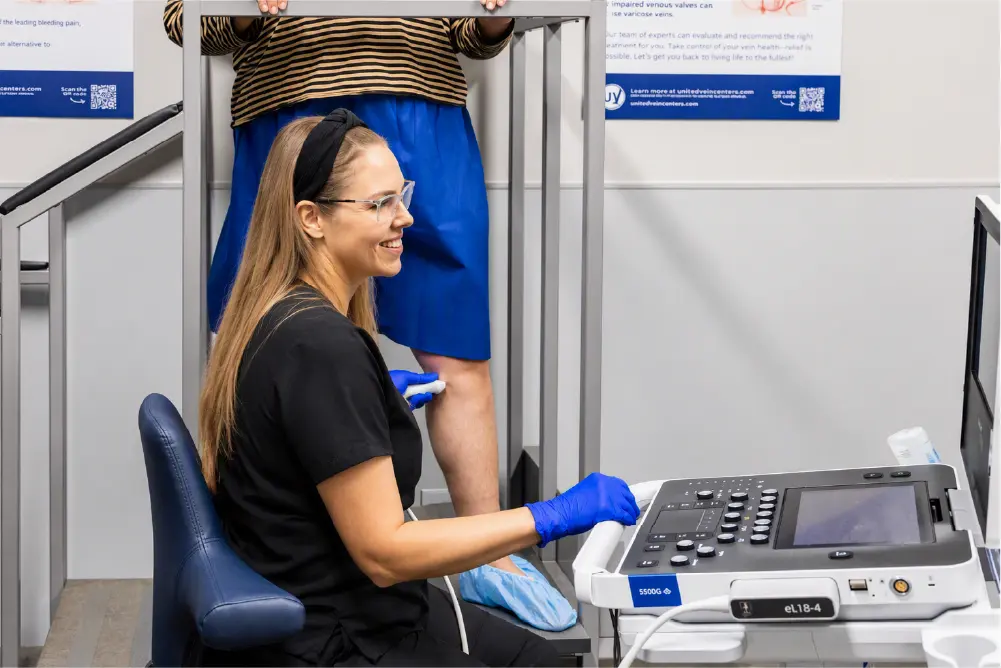
UVVC starts by examining the pattern rather than assuming that every complaint of heavy legs comes from the veins. During a vein screening, the care team may ask when the heaviness began, whether it affects one or both legs, what brings it on, and what provides relief.
The evaluation also considers swelling, visible veins, skin changes, previous blood clots, family history, medications, health conditions, and the effect on walking or daily activities.
If the findings suggest chronic venous insufficiency, a diagnostic duplex ultrasound may be scheduled. This noninvasive test uses sound waves to examine the veins, show the direction of blood flow, and identify valves that are allowing blood to move backward. The results help determine whether the symptoms match the location and severity of the vein problem.
If the pattern points toward an arterial condition, nerve problem, muscle weakness, joint disorder, or systemic cause, the appropriate next step may be a vascular consultation, primary care evaluation, or referral to another specialist. Finding a vein abnormality does not automatically mean it explains every symptom.
When venous reflux is confirmed and treatment is clinically appropriate, the care plan may include movement, elevation, compression, or a minimally invasive vein procedure. Depending on the affected veins and ultrasound findings, options may include:
- Radiofrequency ablation (RFA): A minimally invasive procedure that delivers controlled radiofrequency energy inside an affected vein. The energy closes the vein so blood can naturally reroute through healthier veins nearby.
- VenaSeal™: An adhesive-based procedure that places a small amount of medical adhesive within an affected vein. The adhesive seals the vein without thermal energy, allowing blood to shift to healthier pathways.
- Varithena®: An injectable microfoam treatment used for certain malfunctioning veins. The foam fills and closes the targeted vein so the body can redirect blood through veins that are working properly.
- Ultrasound-guided sclerotherapy: A minimally invasive procedure that uses ultrasound imaging to locate an affected vein beneath the skin and guide a medical solution or foam into it. The treated vein closes, allowing blood to reroute through healthier veins.
Treatment recommendations depend on the patient’s symptoms, anatomy, medical history, imaging, and goals. Treating confirmed vein disease may reduce related heaviness, aching, swelling, or fatigue, but results vary and symptoms from another condition may require separate care.
Preguntas frecuentes
Legs that feel too heavy to walk normally may be affected by pain, swelling, muscle fatigue, weakness, joint or spine problems, nerve symptoms, or reduced circulation. The phrase can describe anything from severe tiredness to a genuine loss of strength. If the change is sudden, worsening, or making it unsafe to walk, seek medical evaluation rather than trying to push through it.
Difficulty taking the first steps after getting out of bed or standing from a chair may be related to stiffness, pain, low blood pressure, balance changes, muscle weakness, nerve problems, or a joint or spine condition.
Venous symptoms are usually more noticeable after prolonged standing or later in the day, although swelling and discomfort can still affect mobility at other times. A provider can help distinguish temporary stiffness from a recurring mobility problem.
Visible swelling is not required for the legs to feel heavy. Muscle fatigue, deconditioning, nerve or joint problems, medication effects, and arterial circulation problems may cause heaviness without swelling. Some patients with venous insufficiency also notice aching or fatigue before ankle swelling becomes obvious. The timing and accompanying symptoms are more informative than swelling alone.
Compression socks may help manage heaviness, aching, fatigue, or swelling associated with venous insufficiency. They apply graduated pressure that supports blood movement out of the lower legs.
Compression does not repair weakened vein valves, and it is not appropriate for everyone. Patients with possible arterial disease, unexplained one-sided symptoms, significant skin changes, or certain heart conditions should ask a healthcare provider whether compression is safe and which strength and fit are appropriate.
When Heavy Legs Keep Slowing You Down, Schedule a Vein Screening
Extremely heavy legs are not a diagnosis, and the cause is not always venous. The way the symptom responds to walking, standing, rest, and elevation can help separate a tired muscle from a vein, artery, nerve, or joint concern. Changes in swelling, skin color, temperature, strength, and walking tolerance provide additional clues.
If heaviness repeatedly develops after sitting or standing and occurs with aching, swelling, visible veins, cramping, or ankle discoloration, request a vein screening at United Vein & Vascular Centers. Our care team can evaluate your symptoms and determine whether vein disease may be contributing.
Patients with heaviness or weakness during walking, foot temperature or color changes, or slow-healing wounds may need a vascular consultation to assess arterial blood flow.
Medically reviewed by Dr. Domenic Zambuto, National Medical Director at United Vein & Vascular Centers. Board-certified in vascular and interventional radiology, Dr. Zambuto has more than 20 years of experience treating vascular disease and helping patients manage complex vein and circulatory conditions.