

Contenido
- Q: What does water retention in the legs mean?
- Q: Can water retention in the legs be caused by venous insufficiency?
- Q: How does venous insufficiency cause fluid to collect in the legs?
- Q: Why does water retention often worsen later in the day?
- Q: How does vein-related swelling differ from other types of leg swelling?
- Q: What symptoms may indicate that water retention is vein-related?
- Q: When should water retention in the legs be evaluated?
- Q: How is the cause of water retention in the legs diagnosed?
- Q: How can you get rid of water retention in your legs?
- Q: How can UVVC treat venous insufficiency and related leg swelling?
- Preguntas frecuentes
- Find Out What Is Causing Water Retention in Your Legs
Welcome back to Ask the Doc, an educational series from United Vein & Vascular Centers designed to provide clear, medically grounded answers to common questions about vein and vascular health. Each week, a UVVC physician explains what symptoms may mean, when they warrant attention, and how minimally invasive care may help when an underlying circulation problem is found.
In this installment, Dr. Stephanie Bui, UVVC Board-Certified Vascular Surgeon & Endovascular Specialist, explains what water retention in the legs means, how venous insufficiency can contribute to fluid buildup, and when persistent or recurring swelling should be evaluated.
The short answer: Yes, water retention in the legs can be caused by venous insufficiency. When weakened vein valves allow blood to collect in the lower legs, pressure can increase and push fluid into the surrounding tissues. However, vein disease is only one possible cause of leg swelling, so an evaluation may be needed to determine what is contributing to the fluid buildup.
Q: What does water retention in the legs mean?
Dr. Bui:
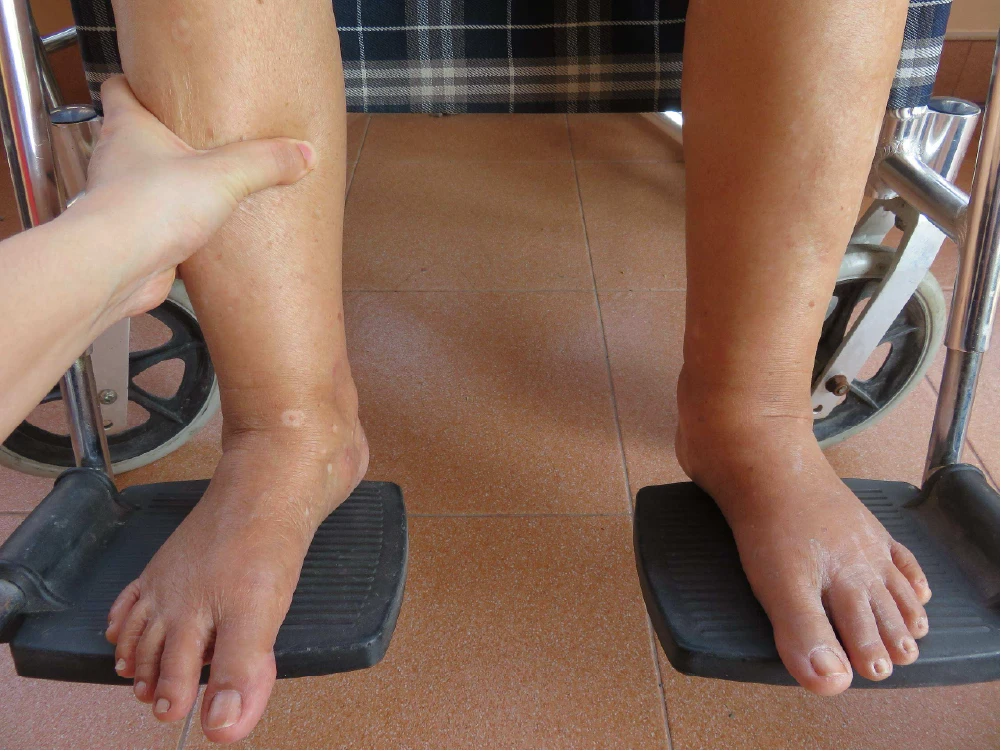
“Water retention” is a common way of describing edema, which is swelling caused by fluid collecting in the body’s tissues. In the legs, edema most often becomes noticeable around the feet, ankles, or lower legs, although it can extend farther up the leg.
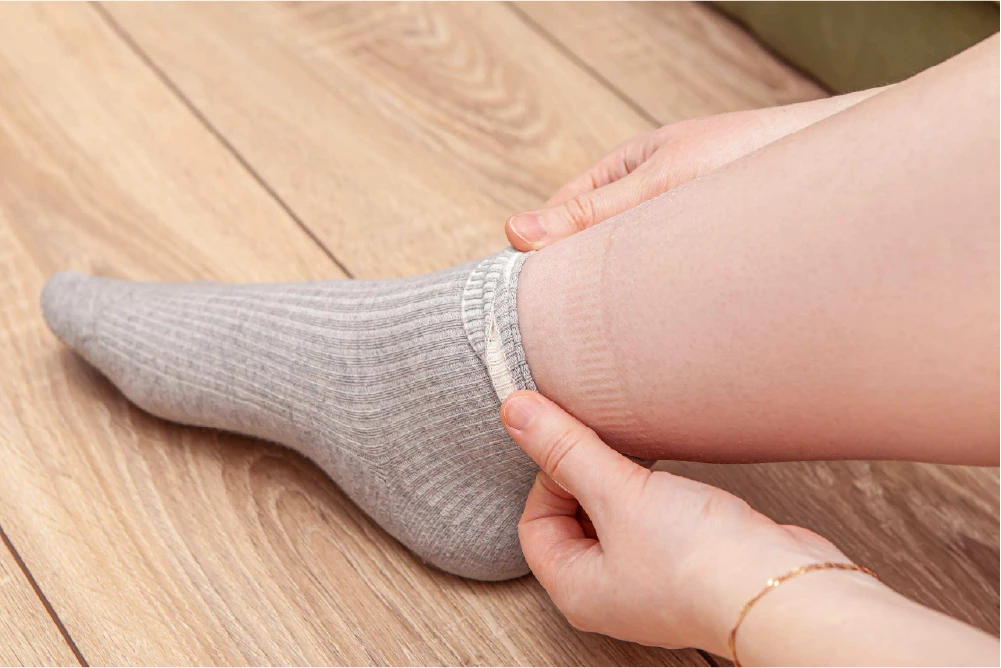
The skin may appear stretched or puffy, and the affected area may feel tight, heavy, or uncomfortable. Shoes can become difficult to put on, and socks may leave deeper marks than usual. If pressing the swollen area leaves a temporary indentation, the swelling is known as pitting edema. However, not all swelling will pit when pressure is applied.
Leg swelling may affect one leg or both. It may develop gradually, come and go, or appear suddenly. These differences can provide important clues about the cause, but the appearance of the swelling alone cannot confirm a diagnosis.
Q: Can water retention in the legs be caused by venous insufficiency?
Dr. Bui:
Yes. Chronic venous insufficiency is one possible cause of water retention in the legs.
Healthy leg veins contain one-way valves that help move blood upward toward the heart. When these valves weaken or become damaged, some blood may flow backward and collect in the lower legs. This condition is also called venous reflux.
As pressure builds within the veins, fluid can move into the surrounding tissues and cause swelling. Vein-related water retention commonly affects the ankles and lower legs and may occur in one or both legs. It often becomes more noticeable after long periods of sitting or standing.
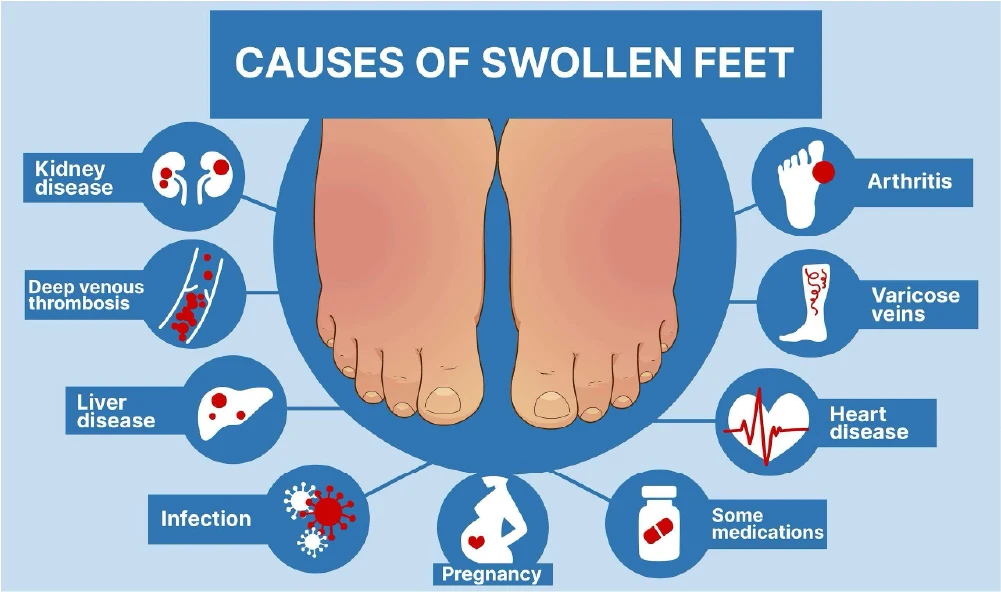
Venous insufficiency is not the only possible explanation. Leg swelling can also be associated with medications, pregnancy, injury, prolonged inactivity, lymphedema, blood clots, or conditions involving the heart, kidneys, or liver. An evaluation helps determine whether the swelling is related to the veins or another medical concern.
Q: How does venous insufficiency cause fluid to collect in the legs?
Dr. Bui:
The process begins with valves that no longer close effectively. Gravity naturally pulls blood downward when a person is sitting or standing. The calf muscles normally help pump that blood upward, while the valves prevent it from falling back down between muscle contractions.
When the valves do not close properly, blood can move backward and pool in the leg veins. This raises venous pressure, especially in the lower portions of the legs. Over time, the increased pressure can cause fluid to pass through the walls of small blood vessels and enter the surrounding tissue.
Q: Why does water retention often worsen later in the day?
Dr. Bui:
Vein-related swelling frequently worsens as the day progresses because the legs spend more time below the level of the heart. Gravity can make it harder for blood and fluid to travel out of the lower legs, particularly when someone sits or stands in one position for several hours.
Walking activates the calf muscles, which helps push blood upward. When movement is limited, that natural pumping action becomes less effective. Warm temperatures may also widen blood vessels and make swelling more noticeable for some patients.
A person with venous insufficiency may wake up with little visible swelling and then notice puffiness, tightness, or sock marks later in the day. The swelling may improve after walking, elevating the legs, or resting overnight. This pattern may occur with venous insufficiency, but it is not enough to diagnose vein disease on its own.
Q: How does vein-related swelling differ from other types of leg swelling?
Dr. Bui:
The timing, location, associated symptoms, and number of legs affected can help narrow the possibilities. However, different conditions may produce overlapping symptoms, and more than one condition can contribute to swelling at the same time.
| Possible cause | Common swelling pattern | Other possible clues |
| Insuficiencia venosa | Often affects the ankles or lower legs and worsens after prolonged sitting or standing | Aching, heaviness, visible veins, skin discoloration, itching, or venous wounds |
| Linfedema | May involve the foot, ankle, or a larger portion of the limb and can become persistent | A feeling of fullness or heaviness, thickened skin, or swelling that becomes firmer over time |
| Trombosis venosa profunda | Often develops suddenly in one leg | Pain, tenderness, warmth, redness, or discoloration |
| Heart, kidney, or liver conditions | More commonly affects both legs, although patterns vary | Shortness of breath, fatigue, abdominal swelling, or changes in urination may occur |
| Injury, infection, or inflammation | Often affects a specific area or one limb | Pain, redness, warmth, bruising, fever, or a recent injury |
| Medication-related swelling | Frequently affects both ankles or legs | May begin after starting or changing a medication |
The location and timing of swelling can offer useful clues, but symptoms often overlap between conditions. Venous insufficiency may affect one or both legs, and swelling in both legs can have several possible causes. A clinical evaluation can help identify what is contributing to the fluid buildup.
Q: What symptoms may indicate that water retention is vein-related?
Dr. Bui:
Water retention may be related to chronic venous insufficiency when it occurs alongside other signs of vein disease. These may include:
- Aching, throbbing, cramping, or tenderness in the legs
- A feeling of heaviness, fatigue, or pressure
- Swelling that worsens after prolonged sitting or standing
- Swelling that improves with walking or leg elevation
- Varicose veins or clusters of spider veins
- Itching, burning, or tingling around the lower legs
- Reddish-brown discoloration near the ankles
- Dry, irritated, thickened, or hardened skin
- A wound near the ankle that is slow to heal
Not every patient with venous insufficiency develops visible varicose veins, and not every person with leg swelling has vein disease. The overall pattern matters more than any single symptom.
Swelling that repeatedly returns, gradually worsens, or begins to interfere with walking, sleep, footwear, or daily activities deserves medical attention, even when it is not painful.
Q: When should water retention in the legs be evaluated?
Dr. Bui:
An evaluation should be considered when swelling persists, occurs repeatedly, worsens over time, or has no clear explanation. Patients should also seek medical guidance when the swelling is accompanied by leg pain, heaviness, visible veins, skin changes, numbness, weakness, or a wound that is not healing normally.
Sudden swelling in one leg requires more urgent attention, particularly when it occurs with pain, tenderness, warmth, redness, or discoloration. These can be symptoms of deep vein thrombosis, although other conditions may cause similar changes.
Call 911 or seek emergency care for leg swelling accompanied by chest pain, difficulty breathing, fainting, a rapid heartbeat, or coughing up blood. These symptoms may indicate a pulmonary embolism or another serious medical emergency.
Swelling that develops during pregnancy, after surgery, following a long period of immobility, or after a medication change should also be discussed with an appropriate healthcare provider.
Q: How is the cause of water retention in the legs diagnosed?
Dr. Bui:
The evaluation begins with a detailed medical and symptom history. A provider may ask when the swelling began, whether it affects one or both legs, what time of day it is most noticeable, and whether movement or elevation provides relief. It is also important to discuss associated symptoms, recent injuries or procedures, current medications, pregnancy, and conditions involving the heart, kidneys, liver, arteries, or lymphatic system.
During the physical examination, the provider may compare the legs, check the skin and visible veins, look for pitting, and assess tenderness, warmth, discoloration, wounds, and pulses. The location and distribution of the swelling can help guide the evaluation.
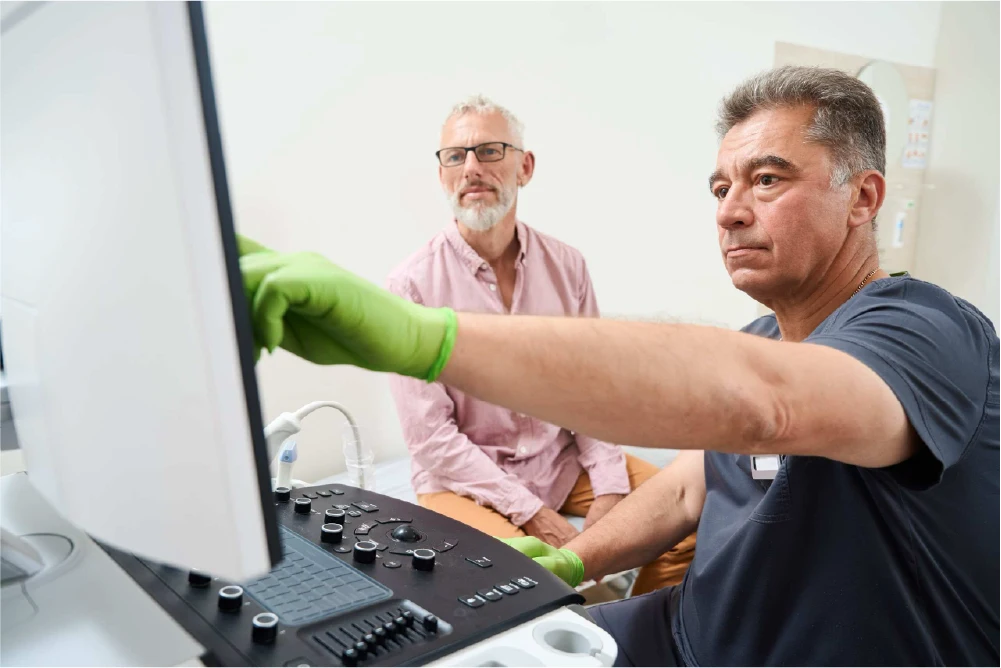
When the symptoms suggest chronic venous insufficiency, a duplex ultrasound may be recommended. This noninvasive test uses sound waves to examine the veins, evaluate blood flow, and identify valves that allow blood to travel backward. It can also help the care team look for evidence of blood clots.
If the findings do not appear vein-related—or if another condition may be contributing—the patient may need additional testing or evaluation by a primary care provider or another specialist.
Q: How can you get rid of water retention in your legs?
Dr. Bui:
There is no single way to get rid of water retention because treatment depends on why the fluid is accumulating. The first step is identifying the cause. Strategies that help swelling related to inactivity or venous insufficiency may not be appropriate for swelling caused by a blood clot, heart condition, kidney disease, infection, or another medical concern.
When a provider determines that conservative measures are appropriate, the following may help reduce or manage swelling:
- Walk regularly. Walking activates the calf muscles and helps move blood out of the lower legs.
- Change positions throughout the day. Avoid remaining seated or standing in one position for extended periods.
- Elevate the legs. Raising the legs above heart level when resting may help fluid move out of the lower extremities.
- Perform ankle movements. Ankle pumps and gentle calf movements can support circulation when prolonged sitting cannot be avoided.
- Follow individualized sodium guidance. Excess sodium can contribute to fluid retention, but dietary recommendations should reflect the patient’s overall health.
- Maintain a weight that supports overall health. Excess weight can place additional pressure on the leg veins.
- Use compression only when medically appropriate. Properly fitted compression garments can help limit swelling and support venous return for some patients.
Compression is not appropriate for everyone. Patients with arterial disease, certain heart conditions, significant skin problems, or unexplained one-sided swelling should speak with a provider before using compression garments.
Patients should not begin, stop, or change a diuretic—sometimes called a water pill—without medical guidance. These medications may be appropriate for certain causes of fluid retention, but they do not repair damaged valves or correct venous reflux.
Q: How can UVVC treat venous insufficiency and related leg swelling?
Dr. Bui:
Treatment at United Vein & Vascular Centers begins with determining whether venous insufficiency is contributing to the swelling. The care team reviews the patient’s symptoms, performs an examination, and may use duplex ultrasound to map the affected veins and evaluate blood flow.
If venous reflux is identified, an individualized treatment plan may include conservative management and one or more minimally invasive procedures. Treatment options depend on the location and size of the affected veins, the ultrasound findings, the patient’s health, and the severity of the symptoms.
Possible treatments include:
- Radiofrequency ablation: A thin catheter delivers controlled thermal energy to close an affected vein. Blood is then naturally redirected through healthier veins that can more effectively return it toward the heart.
- VenaSeal™: A small amount of medical adhesive is delivered through a catheter to seal the unhealthy vein. Once the vein is closed, blood reroutes through nearby healthy veins without the use of heat.
- Varithena®: An injectable microfoam is used to close certain malfunctioning veins, including some varicose veins. The treated vein collapses, allowing blood to shift into healthier pathways.
- Ultrasound-guided sclerotherapy: Ultrasound imaging helps the physician locate and access an affected vein beneath the skin. A specialized solution is then injected to close the vein so blood can reroute through healthier vessels.
Once an unhealthy vein is closed, blood is redirected through healthier veins. This may reduce abnormal venous pressure and improve related symptoms, including swelling, aching, or heaviness.
Results vary, and swelling may not disappear completely. Long-standing venous disease can produce changes in the skin and surrounding tissue, and some patients have additional conditions that also contribute to fluid buildup. When venous insufficiency contributes to the swelling, treating the affected veins may be an important part of the patient’s broader care plan.
Preguntas frecuentes
Water retention is a common term for edema, which means swelling caused by fluid collecting in the tissues. Edema can occur for many reasons and does not refer to one specific condition.
Adequate hydration supports overall health, but drinking more water does not directly correct damaged vein valves or every cause of edema. Patients with heart, kidney, or liver conditions may have specific fluid recommendations and should follow guidance from their healthcare provider.
Compression stockings may help control swelling related to venous insufficiency by applying graduated pressure to the legs and supporting blood flow toward the heart. The correct strength and fit matter, and compression should be used under medical guidance when circulation problems or other health conditions are present.
Not necessarily. Venous insufficiency, lymphedema, infection, injury, and other conditions can also cause swelling in one leg. However, sudden one-sided swelling, especially with pain, tenderness, warmth, redness, or discoloration, should be evaluated promptly to rule out a blood clot.
Swelling related to venous reflux may improve after the unhealthy veins are treated, but results depend on the severity and duration of the condition and whether other health problems are also contributing. Some patients may still need compression, movement, elevation, or management of another underlying condition.
Find Out What Is Causing Water Retention in Your Legs
Water retention in the legs can be associated with venous insufficiency, but swelling alone cannot identify the cause. Its timing, location, accompanying symptoms, and whether it affects one or both legs all help guide the evaluation.
If your swelling persists, returns frequently, worsens later in the day, or occurs with aching, heaviness, visible veins, or skin changes, a vein evaluation may help determine whether chronic venous insufficiency is contributing.
Request a vein screening at United Vein & Vascular Centers to learn more about your symptoms and available treatment options.
Medically reviewed by Dr. Domenic Zambuto, National Medical Director at United Vein & Vascular Centers. Board-certified in vascular and interventional radiology, Dr. Zambuto has more than 20 years of experience treating vascular disease and helping patients manage complex vein and circulatory conditions.