Vein problems often start quietly. For many people, symptoms become part of daily life long before they realize something deeper is happening beneath the skin.
A vein ultrasound is one of the most important tools used to uncover the root cause of these symptoms. It allows vein specialists to see how blood is flowing through the veins and identify problems that cannot be diagnosed through a physical exam alone. For patients dealing with varicose veins, swelling, skin changes, or unexplained leg discomfort, a vein ultrasound is often the first step toward relief.
Understanding what a vein ultrasound is, why it is performed, and how it guides treatment can help patients feel more confident and informed throughout their care journey.
Understanding Vein Ultrasounds and Why They Matter
A vein ultrasound is a noninvasive imaging test that uses sound waves to create detailed images of the veins inside the body. Unlike X rays or CT scans, ultrasound does not use radiation. Instead, it relies on high frequency sound waves that bounce off tissues and blood cells to produce real time images on a monitor.
Vein ultrasounds are most commonly used to evaluate blood flow in the legs, though they can also be used in other parts of the body. For patients with venous disease, this test helps doctors determine whether veins are functioning properly or allowing blood to flow backward, a condition known as venous reflux.
When veins are not working as they should, blood can pool in the legs rather than traveling efficiently back to the heart. This increased pressure can lead to a wide range of symptoms, including:
- Varicose veins
- Leg swelling
- Aching or throbbing pain
- Heaviness or fatigue in the legs
- Skin discoloration or irritation
- Restless legs
- Nonhealing leg ulcers
A vein ultrasound provides the clarity needed to connect these symptoms to an underlying venous condition.
What Is a Vein Ultrasound?
A vein ultrasound is a diagnostic procedure that allows vein specialists to examine the structure and function of the veins. It is commonly referred to as a duplex ultrasound because it combines two types of imaging.
The first component creates a visual image of the vein itself, showing its size, shape, and structure. The second component evaluates blood flow, showing the direction and speed at which blood is moving through the vein.
This combination allows doctors to identify issues such as:
- Venous reflux
- Blockages or narrowing
- Blood clots, including deep vein thrombosis
- Damaged or weakened vein valves
The procedure is painless and typically performed in an outpatient setting. Most patients find it straightforward and easy to tolerate.
What to Expect During a Vein Ultrasound
A vein ultrasound is usually completed in under an hour. No special preparation is required, and patients can eat, drink, and take medications as usual unless otherwise instructed.
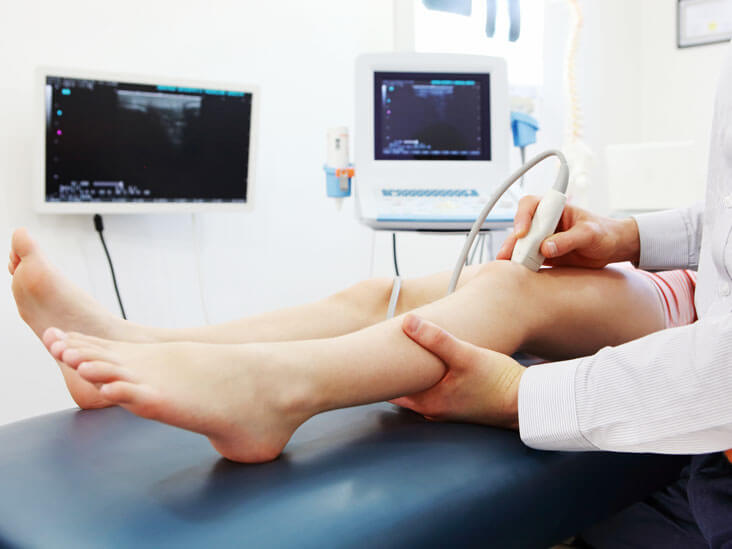
During the exam, the patient will lie comfortably on an exam table. A trained ultrasound technician applies a clear gel to the skin over the area being examined. This gel helps transmit sound waves more effectively.
A small handheld device called a transducer is then moved along the skin. The transducer sends sound waves into the body and receives the echoes as they bounce back from blood cells and tissues. These signals are converted into images displayed on a monitor in real time.
Patients may be asked to change positions or gently contract certain muscles during the exam. This helps the technician observe how blood flows under different conditions. While mild pressure may be applied, the procedure should not be painful.
Once the exam is complete, the gel is wiped away and patients can immediately resume normal activities.
Why Vein Ultrasounds Are Essential for Diagnosis
Many vein conditions share similar symptoms, which makes accurate diagnosis especially important. Leg pain and swelling, for example, can result from venous disease, musculoskeletal issues, nerve conditions, or even heart related problems.
A vein ultrasound helps eliminate guesswork. It allows vein specialists to see whether symptoms are caused by faulty veins, blocked blood flow, or other abnormalities within the venous system.
This information is critical because treatment decisions depend heavily on what the ultrasound reveals. Treating surface veins without addressing deeper venous issues can lead to incomplete relief or recurrence of symptoms.
By identifying the exact location and severity of venous dysfunction, a vein ultrasound ensures that treatment is both targeted and effective.
How Vein Ultrasounds Guide Treatment Planning
Once a vein ultrasound is completed, the results are reviewed by a vein specialist. These findings help determine the most appropriate treatment plan based on the patient’s unique anatomy and symptoms.
Some patients may benefit from conservative management, such as compression therapy or lifestyle adjustments. Others may require minimally invasive procedures designed to close or redirect faulty veins.
One treatment that often relies on ultrasound guidance is foam sclerotherapy.
How Ultrasound Guided Foam Sclerotherapy Works
Ultrasound guided foam sclerotherapy is a minimally invasive treatment used to address varicose veins and other abnormal veins that may not be visible on the surface of the skin.
During this procedure, a specialized foam solution is injected directly into the problematic vein. The foam irritates the vein lining, causing the vein to collapse and eventually seal shut. Once closed, blood is naturally rerouted to healthier veins nearby.
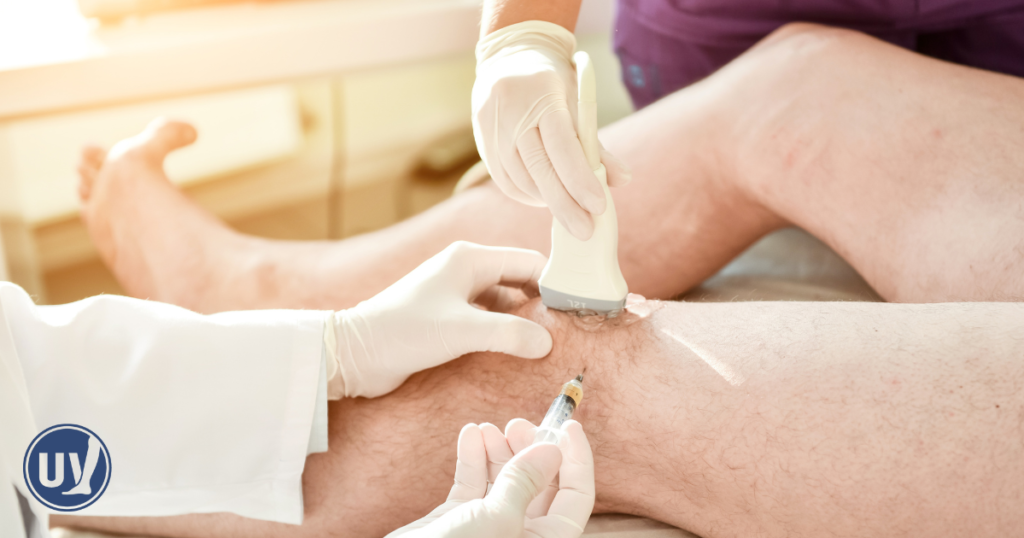
Ultrasound guidance plays a crucial role in this process. It allows the vein doctor to precisely place the foam into the targeted vein, even if the vein lies deeper beneath the skin or follows a complex path.
This technique is especially helpful for patients with veins that are twisted, numerous, or unsuitable for treatments such as ablation or microphlebectomy.
The entire procedure typically takes less than 60 minutes and does not require general or local anesthesia. Patients remain awake and comfortable throughout.
Benefits of Ultrasound Guided Foam Sclerotherapy
Ultrasound guided foam sclerotherapy offers several advantages for patients with venous disease, including:
- Minimally invasive treatment with no incisions
- Little to no downtime
- Precise targeting of abnormal veins
- Reduced appearance of varicose veins
- Relief from symptoms such as pain, heaviness, and fatigue
- Improved circulation and overall quality of life
Many patients notice symptom improvement relatively quickly following treatment.
When to Consider a Vein Ultrasound
A vein ultrasound may be recommended for anyone experiencing persistent leg symptoms or visible vein changes. Signs that it may be time to seek evaluation include:
- Chronic leg pain or heaviness
- Swelling that worsens throughout the day
- Visible varicose or spider veins
- Skin discoloration or irritation near the ankles
- Unexplained leg fatigue
- Nonhealing sores or ulcers
Early diagnosis allows for earlier intervention, which can prevent symptoms from worsening over time.
Commitment to Comprehensive Vein Care
United Vein and Vascular Centers is a leading provider of vein care, offering advanced diagnostic tools and a full range of treatment options. With board certified vein specialists and state of the art technology, patients receive care tailored to their individual needs.
From diagnostic ultrasounds to minimally invasive procedures and complex treatments, the focus remains on delivering effective solutions and an excellent patient experience.
Frequently Asked Questions
No; vein ultrasounds are noninvasive and painless. Patients may feel light pressure from the transducer on the skin, but there is no discomfort or needles involved during the imaging itself.
Most vein ultrasounds take less than an hour to complete. Patients can typically return to their normal activities immediately afterward, making it a convenient and easy diagnostic option.
A vein ultrasound is highly effective at identifying blood flow issues, valve dysfunction, blockages, and abnormal veins. However, your vein specialist may recommend additional tests or procedures to fully evaluate complex venous conditions.
Take the First Step Toward Healthier Legs
Vein problems do not have to be a permanent part of life. With accurate diagnosis and modern treatment options, relief is possible.
A vein ultrasound is often the first and most important step in understanding what is happening beneath the surface. If leg discomfort, swelling, or visible veins are affecting your quality of life, a vein ultrasound can provide clarity and direction.
Contact UVVC today to learn more about vein ultrasounds and available treatment options. With the right care plan, feeling better can be closer than you think.