
Stress is a nearly unavoidable part of life. Work pressures, family responsibilities, and personal challenges often leave little time for relaxation. While many people understand the mental impact of stress, fewer realize how chronic stress can affect circulation and vein health. Understanding this connection can help you take proactive steps to protect your vascular system and overall well-being.
The Physiological Effects of Stress on the Body
When you experience stress, your body releases hormones such as adrenaline and cortisol. These hormones prepare you for a “fight or flight” response, increasing heart rate and blood pressure to supply more blood to your muscles. While this response can be beneficial in short bursts, chronic stress can strain your circulatory system. Over time, the constant state of alertness can damage arteries, reduce blood flow efficiency, and impact vein function.
How Stress Affects Blood Pressure and Circulation
Prolonged stress often leads to consistently high blood pressure. Elevated pressure can damage artery walls, making them less elastic and more prone to plaque buildup. This can increase the risk of cardiovascular issues, including heart attacks and strokes. Reduced circulation efficiency can also affect your veins, contributing to symptoms such as swelling, fatigue, and discomfort in the lower extremities.
Stress and Vein Health
Veins play a critical role in returning deoxygenated blood to the heart. Chronic stress can contribute to conditions such as varicose veins, where veins become enlarged and twisted due to weakened walls and increased pressure. Stress-related inflammation can exacerbate existing vein issues, causing swelling, discomfort, and slower healing of vascular injuries. Managing stress is therefore essential for both preventing new vein problems and supporting recovery from existing conditions.
Recognizing the Signs of Circulation and Vein Issues
Poor circulation and vein problems may present in subtle ways. Symptoms can include:
- Swelling or heaviness in the legs
- Cold hands and feet
- Numbness or tingling in extremities
- Varices visibles
- Fatigue or reduced endurance
Recognizing these symptoms early is key to preventing more serious complications such as chronic venous insufficiency or blood clots.
Practical Stress-Reduction Techniques for Better Circulation
Managing stress effectively can improve circulation and support vein function. Here are practical strategies to incorporate into your daily routine:
Relaxation Practices
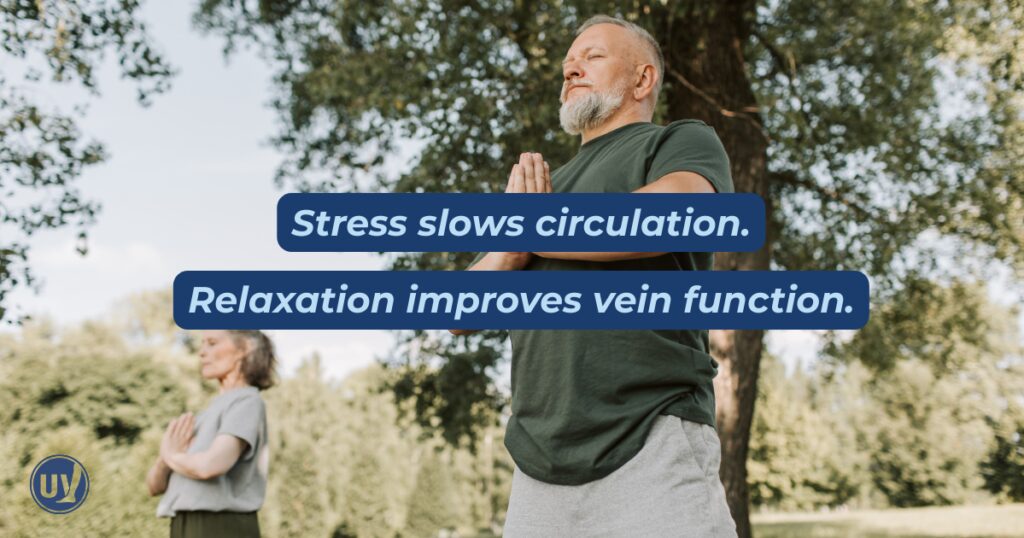
Techniques such as deep breathing exercises, meditation, and yoga can lower heart rate and blood pressure. Even a few minutes each day can reduce stress levels and support vascular health.
Enjoyable Activities
Hobbies that bring you joy, such as listening to music, reading, or spending time outdoors, can provide a mental break and help reduce stress. Personalizing your relaxation activities ensures consistency and long-term benefits.
Regular Physical Activity
Exercise improves circulation, strengthens veins, and releases endorphins that boost mood. Aim for at least 30 minutes of moderate activity most days of the week. Activities such as walking, swimming, or cycling promote cardiovascular health and vein function.
Healthy Nutrition
A balanced diet rich in fruits, vegetables, whole grains, lean proteins, and healthy fats supports circulation. Antioxidants and omega-3 fatty acids help reduce inflammation, while minimizing processed foods and sugars protects vascular health.
Adequate Sleep
Quality sleep is essential for managing stress and maintaining circulation. Aim for 7-9 hours each night, establish a consistent sleep schedule, and create a calming bedtime routine to enhance rest and recovery.
Proper Hydration
Staying hydrated ensures smooth blood flow and prevents thickened blood that can strain veins. Aim for at least eight 8-ounce glasses of water daily, and adjust intake based on activity and climate.
Why Early Intervention Matters
Chronic stress can accelerate the progression of vein and vascular conditions. Early intervention prevents worsening symptoms, reduces the risk of complications, and improves quality of life. Combining lifestyle changes with medical support gives the best outcomes for long-term vascular health.
Partnering with UVVC for Vein and Circulation Health
At UVVC, we provide patient-centered care focused on your unique vascular needs. Our team of specialists offers comprehensive evaluations, personalized treatment plans, and advanced minimally invasive procedures. We empower patients to take control of their vein and circulation health while supporting them throughout the treatment journey.
If stress or vascular symptoms are affecting your life, scheduling a consultation with UVVC is the next step. By addressing vein issues early and implementing stress management strategies, you can improve circulation, enhance vein function, and enjoy a healthier, more active lifestyle.
Preguntas frecuentes
Chronic stress can increase blood pressure and strain the walls of your veins, potentially contributing to varicose veins, inflammation, and poor circulation.
While stress alone rarely causes vein disease, it can exacerbate existing conditions, slow healing, and increase the risk of complications if other risk factors are present.
Incorporating stress management techniques such as exercise, mindfulness, and proper sleep, along with compression stockings or a heart-healthy diet, can support vein health and improve circulation.
Medically reviewed by UVVC National Medical Director, Dr. Domenic Zambuto