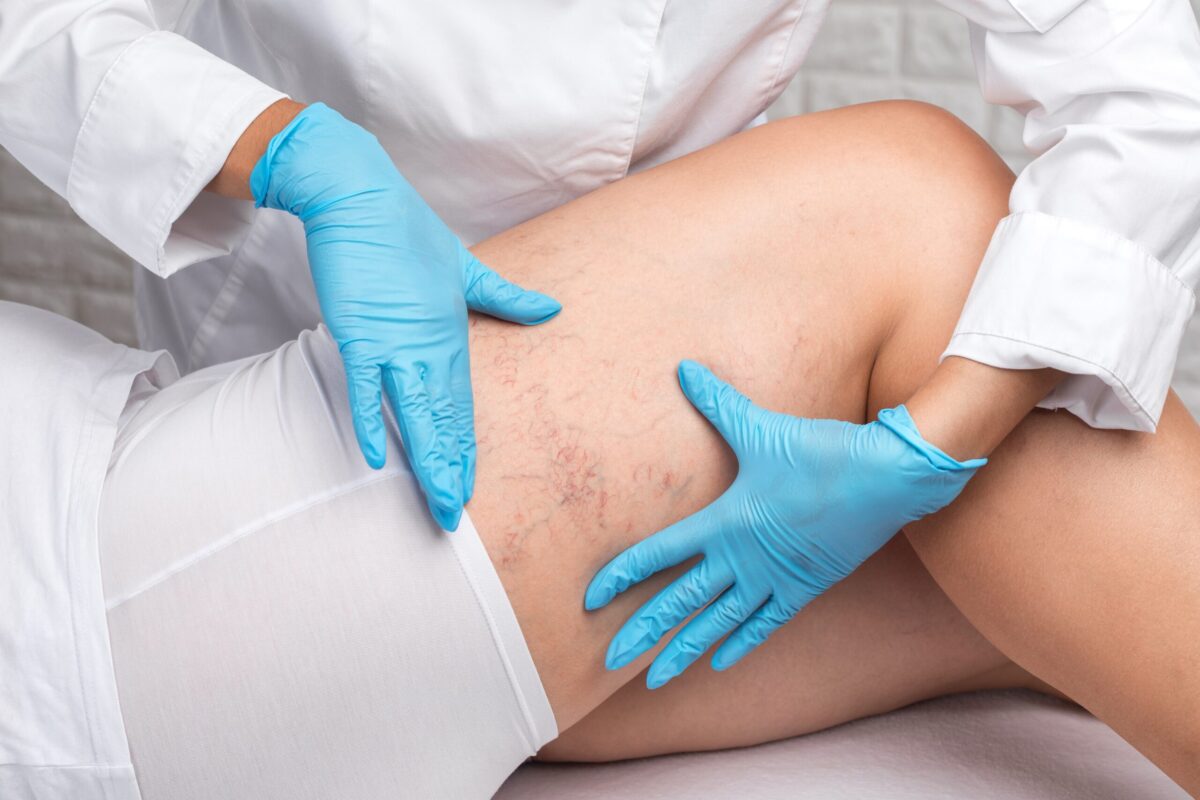
If you’re exploring treatment options for visible or uncomfortable veins, you’ve likely come across two common procedures: sclerotherapy and microphlebectomy. Both are minimally invasive and performed in an outpatient setting, but they are designed to treat different types of vein concerns.
Knowing how these treatments differ can help you better understand your provider’s recommendation and feel more confident about the next steps in your care plan.
¿Qué es la escleroterapia?
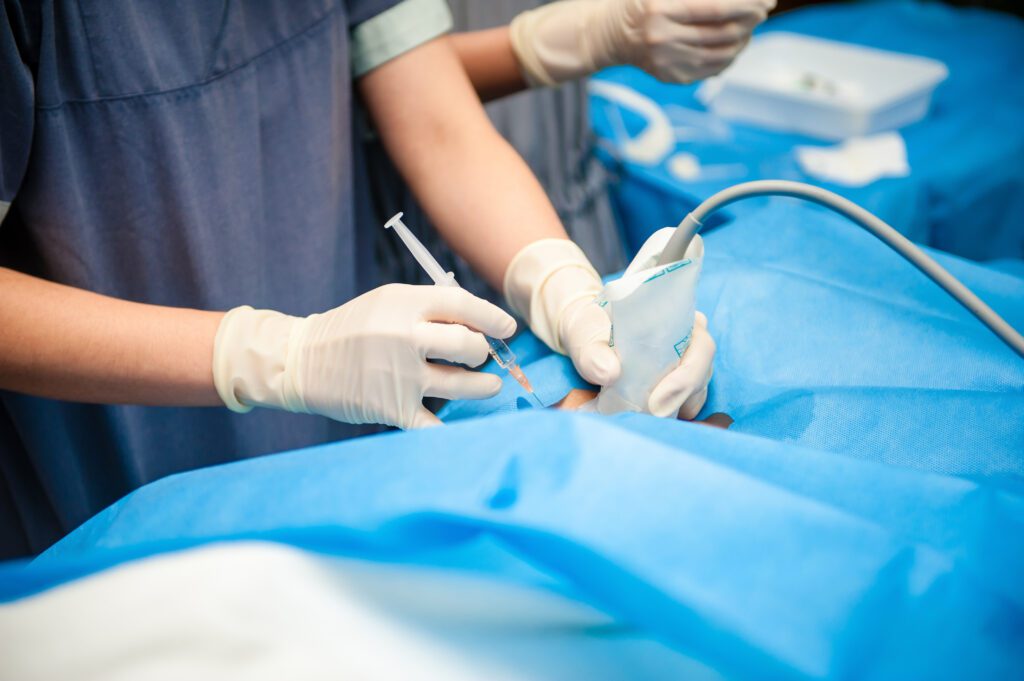
Sclerotherapy is a minimally invasive procedure used to treat damaged veins by injecting a specialized medical solution directly into the problem veins. This solution causes the vein walls to seal shut, stopping blood flow through the faulty vein. Over time, the body naturally absorbs the treated vein, and its appearance gradually fades.
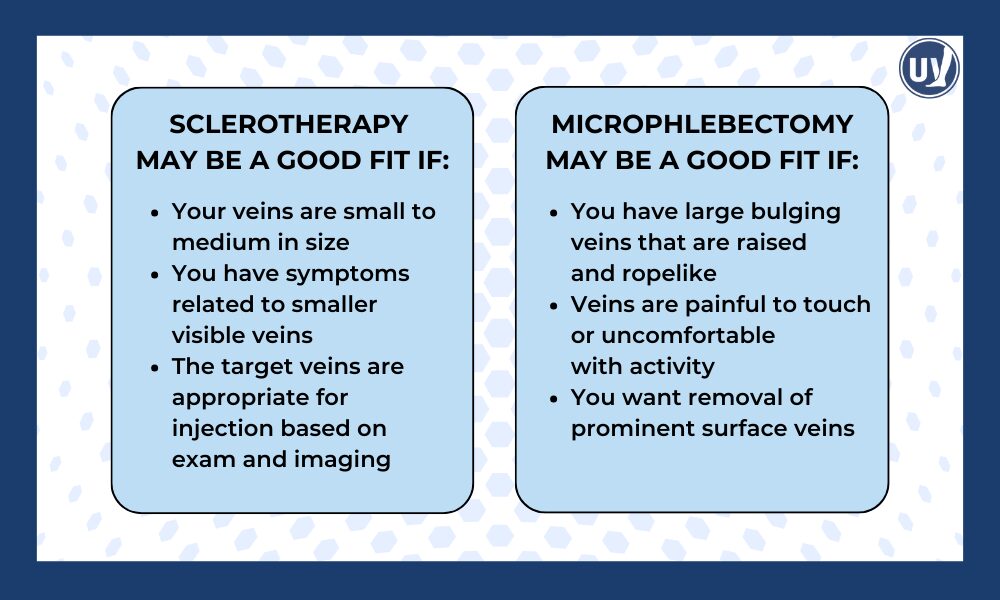
Sclerotherapy is most often recommended for:
- Smaller varicose veins
- Spider veins that are causing symptoms
- Reticular veins, the small blue or green veins visible just beneath the skin
What Is Microphlebectomy?
Microphlebectomy, sometimes called ambulatory or stab phlebectomy, is a procedure that removes bulging surface varicose veins through tiny incisions in the skin. These openings are small, and stitches are usually not needed.
Microphlebectomy is commonly used for:
- Larger bulging varicose veins close to the skin
- Veins that are tender, painful, or raised
- Veins that do not respond fully to other treatments
The Main Difference Between These Vein Treatments
The easiest way to think about it is:
Sclerotherapy closes veins from the inside using injections.
Microphlebectomy removes veins through tiny openings in the skin.
Your provider may recommend one, the other, or a combination depending on your ultrasound results and the size and location of the veins.
Which Treatment Is Best for Varicose Veins?
It depends on what kind of varicose veins you have.
Many people with varicose veins also have an underlying valve issue. In those cases, treating the source of reflux may be part of the plan, along with sclerotherapy or microphlebectomy for visible veins.
Recovery and Downtime Comparison
Sclerotherapy recovery
Most people return to normal activity quickly. You may have mild bruising or tenderness at injection sites. Compression may be recommended depending on your treatment plan.
Microphlebectomy recovery
Recovery is also typically quick, but bruising and tenderness may be more noticeable since the vein is removed. Most people return to daily activities soon after, and your provider will give aftercare and compression guidance.
A vein specialist will tell you what to expect based on how many veins are treated and your overall health.
How to Know Which One You Need
The best next step is a vein evaluation. Your provider may recommend a duplex ultrasound to determine if venous reflux is contributing to your symptoms. This helps ensure treatment is targeted to both the visible veins and the underlying cause when present.
Preguntas frecuentes
Neither is universally better. Sclerotherapy is often used for smaller veins, while microphlebectomy is commonly used for larger bulging varicose veins. The best option depends on your vein anatomy and symptoms.
Yes. The removed vein does not come back. However, new vein issues can develop over time, which is why evaluation and follow up care matter.
Some people need more than one session, especially with sclerotherapy. Microphlebectomy is often completed in one visit, but treatment plans vary.
Many insurance plans cover vein treatments when symptoms are present and medical criteria are met. Your clinic can help verify benefits.
Often, yes. Ultrasound helps confirm whether venous reflux is present and guides the most effective treatment plan.
Elegir el tratamiento adecuado para usted
Sclerotherapy and microphlebectomy are both proven, minimally invasive treatments for vein disease, but they’re designed to address different concerns. Sclerotherapy is typically used to treat smaller veins with a simple injection, while microphlebectomy is often recommended to remove larger, bulging varicose veins that may cause discomfort or heaviness.
The best way to determine which option is right for you is through a comprehensive vein evaluation. A specialist can assess your symptoms, examine your circulation, and create a personalized treatment plan tailored to your needs.
Find a clinic near you or call today to schedule your consultation.