Varicose veins can cause more than visible changes in the legs. For many people, they lead to aching, heaviness, swelling, or fatigue that worsens throughout the day. When these symptoms persist, they often point to an underlying circulation issue rather than a surface concern.
Radiofrequency ablation (RFA) is one option used to treat varicose veins caused by faulty vein valves. Understanding how RFA works, when it’s recommended, and what to expect can help you decide whether it may be appropriate as part of your care.
What Is Radiofrequency Ablation?
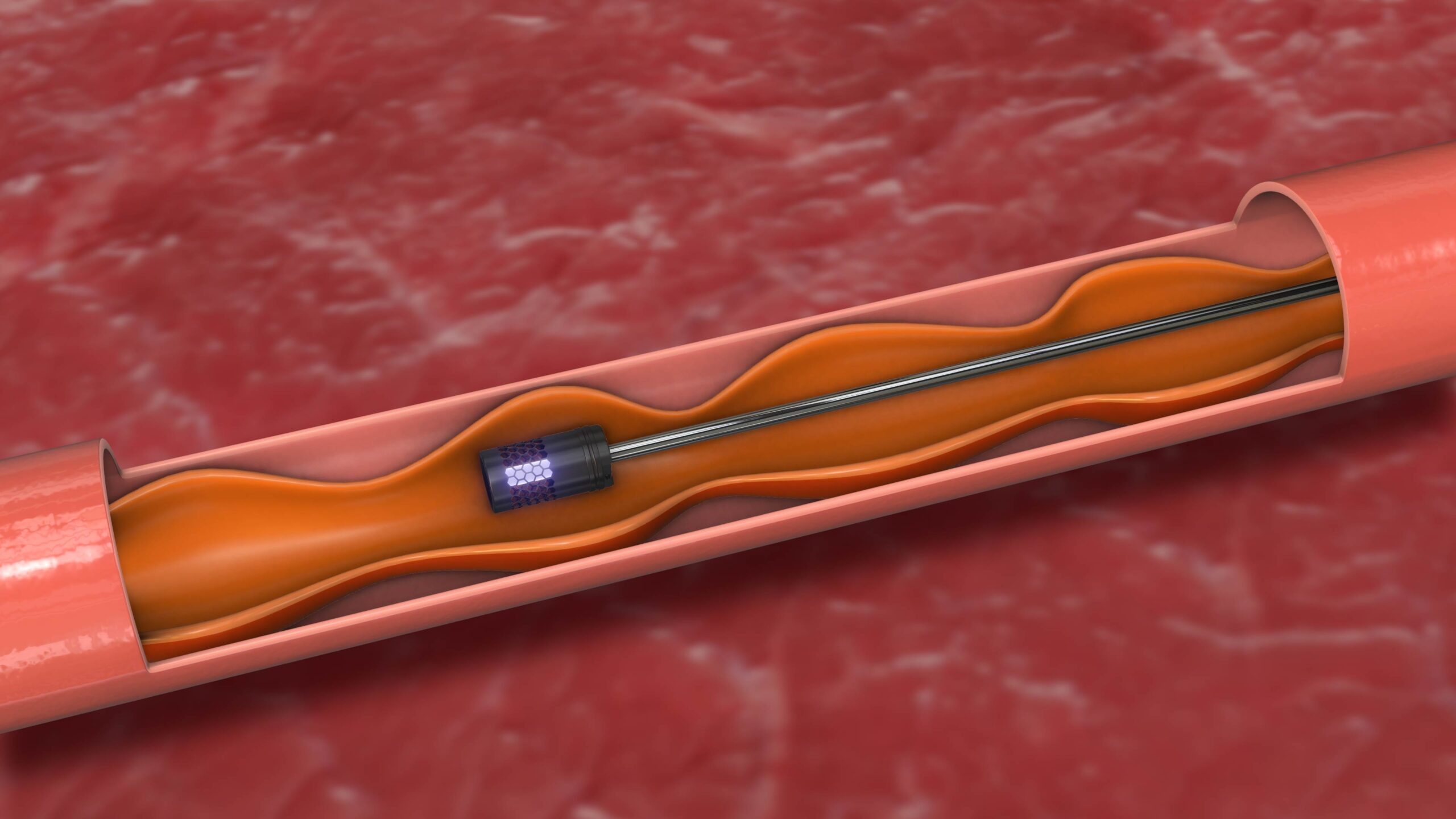
Radiofrequency ablation is a minimally invasive procedure used to treat veins that are no longer functioning properly. In healthy veins, one-way valves help move blood upward toward the heart. When those valves weaken, blood can flow backward and pool in the legs, leading to varicose veins and related symptoms.
RFA uses controlled heat energy to close the affected vein. Once the vein is sealed, blood is naturally redirected to nearby healthy veins, helping improve circulation and reduce pressure in the legs.
Why RFA Is Used for Varicose Veins
RFA is commonly recommended when varicose veins are caused by venous reflux, a condition in which blood flows backward due to valve failure. Closing the diseased vein addresses the source of the problem rather than just the visible surface veins.
For many patients, treating the underlying reflux leads to noticeable improvement in comfort and daily function.
How the RFA Procedure Works
Radiofrequency ablation is performed in an outpatient setting and typically takes less than an hour. The procedure is guided by ultrasound to ensure accuracy.
During the procedure:
- The treatment area is numbed for comfort
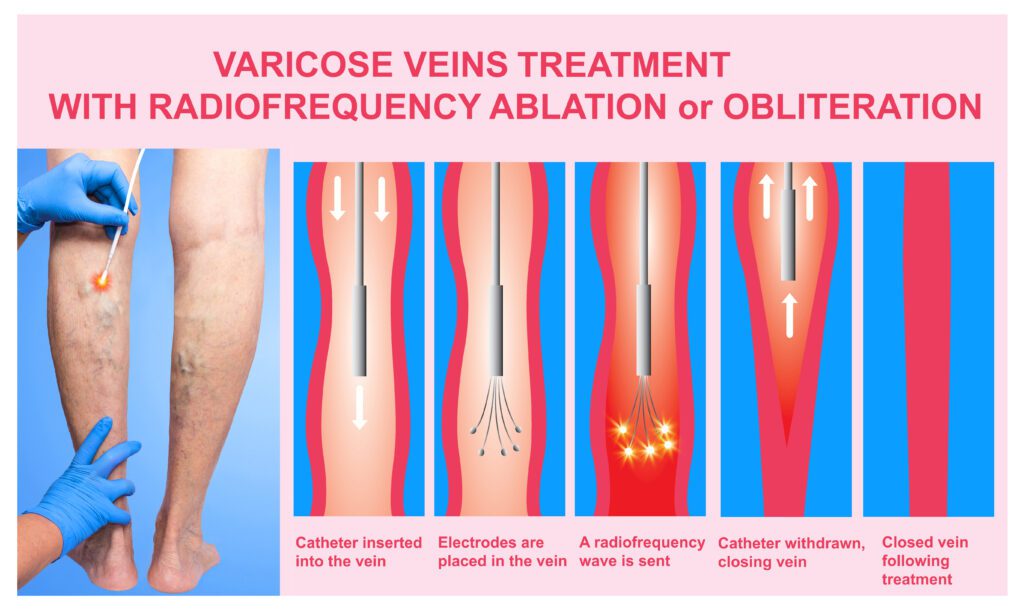
- A small catheter is inserted into the problem vein using ultrasound guidance
- Radiofrequency energy is delivered through the catheter
- Heat causes the vein walls to collapse and seal closed
- Blood flow is redirected to healthier veins
Most patients are able to walk immediately after the procedure and return home the same day.
What Symptoms Can Improve After RFA
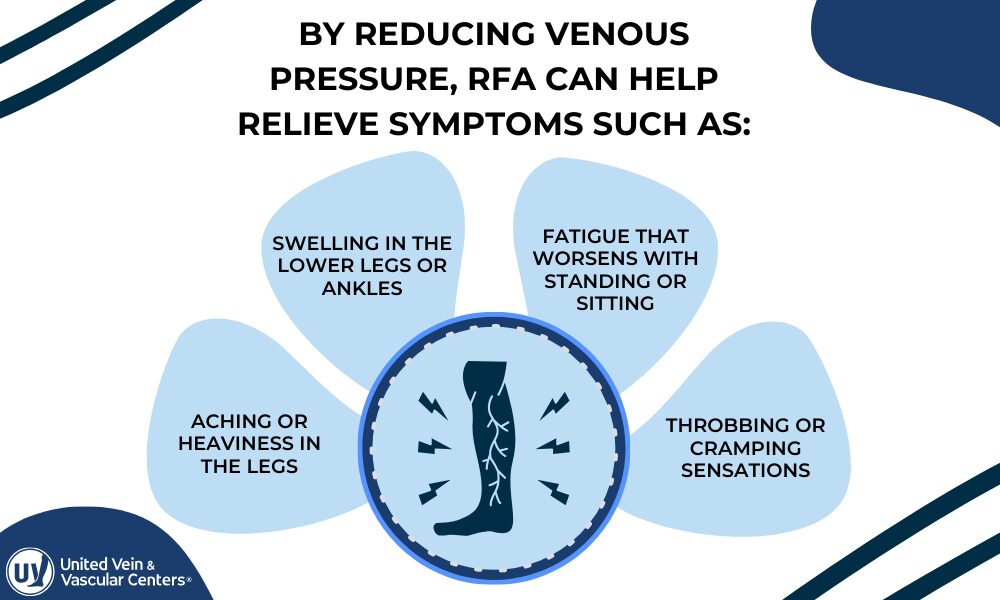
RFA is designed to address symptoms caused by poor venous circulation. Many patients notice improvement in leg discomfort, swelling, and heaviness over time as circulation improves and pressure in the veins decreases.
Surface veins may become less noticeable as blood is rerouted, though some patients may need additional treatment to address remaining visible veins depending on their individual condition.
Who May Be a Candidate for RFA
RFA may be considered if you have symptomatic varicose veins and ultrasound imaging confirms venous reflux. It is often recommended for patients who want a minimally invasive approach with a relatively short recovery period.
A comprehensive vein evaluation, including diagnostic ultrasound, is necessary to determine whether RFA is appropriate and whether additional treatments may be needed.
Recuperación y cuidados posteriores
Recovery after radiofrequency ablation is usually straightforward. Some patients experience mild bruising, tenderness, or tightness along the treated vein, which typically improves over time.
Walking is encouraged soon after treatment to support healthy circulation. Your provider will give you personalized aftercare instructions and let you know whether compression therapy is recommended during recovery.
Preguntas frecuentes
Most patients report mild discomfort. The area is numbed before treatment, and recovery is generally well tolerated.
RFA typically takes less than an hour and is performed in an outpatient setting.
Many people return to normal daily activities within a day, though strenuous exercise may be limited briefly.
RFA treats the underlying problem vein. Some surface veins may improve on their own, while others may require additional treatment.
Many insurance plans cover RFA when varicose veins cause medical symptoms. Coverage varies, and benefit verification is recommended.
Understanding Your Treatment Options
Varicose veins caused by venous reflux can lead to ongoing discomfort and changes in leg health over time. Radiofrequency ablation is one option used to address the underlying circulation problem by closing damaged veins and restoring healthier blood flow.
Determining whether RFA is appropriate starts with a professional vein evaluation. At United Vein & Vascular Centers, specialists use detailed ultrasound imaging and individualized assessments to help patients understand their condition and explore treatment options that fit their needs.