
Contenido
- Why Early Care for Peripheral Artery Disease Matters
- Minimally Invasive PAD Solutions at UVVC
- Endovascular Procedures Used to Treat PAD
- Laser Atherectomy and Advanced Plaque Removal
- Benefits of Minimally Invasive PAD Treatment
- A Patient-Centered Approach at UVVC
- Education, Support, and Long-Term Vascular Health
- Our Commitment to Innovation and Compassion
- Take the Next Step Toward Better Vascular Health
- Preguntas frecuentes
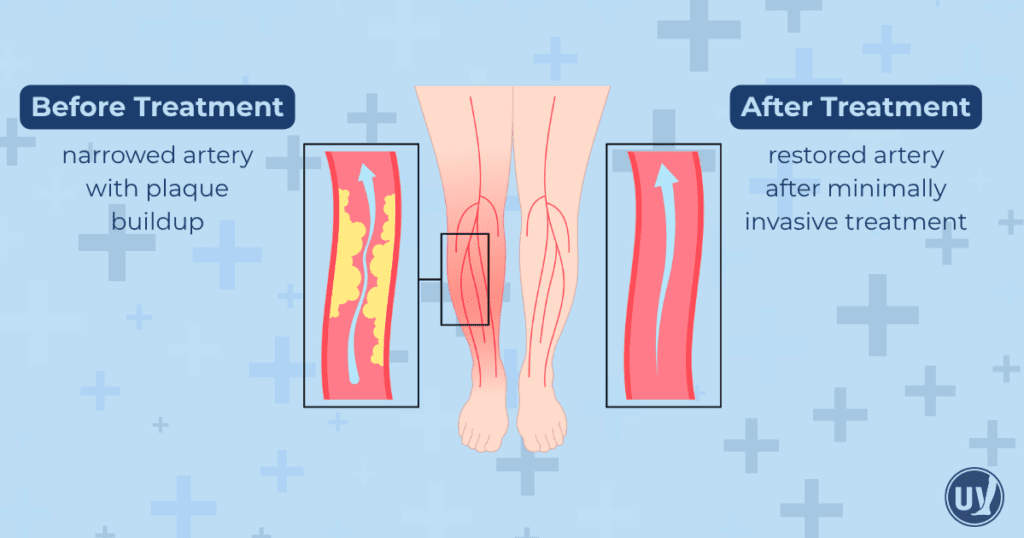
Peripheral Artery Disease, often called PAD, occurs when fatty deposits build up inside the artery walls and limit blood flow. This buildup is known as atherosclerosis. PAD most commonly affects the legs, but the condition can also impact arteries that supply the arms, stomach, and head.
Patients may experience symptoms such as leg pain with walking, numbness, weakness, or wounds that do not heal. Without proper treatment, PAD can limit mobility and greatly reduce quality of life.
PAD should never be dismissed as a minor inconvenience. It is a clear indicator of widespread artery disease and may signal an increased risk of heart attack or stroke. Fatty blockages in the peripheral arteries often reflect blockages in the coronary arteries as well.
This connection makes early detection and intervention essential for long-term vascular health. Addressing PAD before it progresses can prevent complications and help patients regain strength, independence, and confidence in their daily activities.
Why Early Care for Peripheral Artery Disease Matters
PAD progresses gradually and can often go unnoticed until symptoms become more severe. Reduced circulation affects the body’s ability to move, heal, and function comfortably. Over time, untreated PAD can lead to chronic pain, decreased physical activity, and a higher risk of infections or tissue damage.
Seeking vascular treatment early provides several advantages. Early intervention helps restore blood flow before the damage becomes advanced. It also reduces the likelihood of major complications and supports better overall cardiovascular health. For many patients, proactive care leads to improved mobility and a better quality of life.
United Vein and Vascular Centers offers advanced diagnostic tools and minimally invasive treatments that are well suited for early and moderate stages of PAD. These techniques focus on precision, safety, and long-term success.
Minimally Invasive PAD Solutions at UVVC
UVVC specializes in cutting-edge vascular care that focuses on minimally invasive procedures. These modern treatments effectively address PAD while limiting recovery time and reducing potential risks associated with traditional open surgery. The goal is to improve circulation and relieve symptoms while prioritizing safety and comfort.
Minimally invasive treatment is ideal for patients who want effective results without lengthy downtime. These procedures require only small entry points in the skin. This approach lowers the risk of complications, eliminates the need for general anesthesia in most cases, and helps patients return home the same day.
Endovascular Procedures Used to Treat PAD
Endovascular treatments are among the most advanced methods for restoring blood flow in narrowed or blocked arteries. Because these procedures work from inside the artery, they avoid the surgical trauma associated with large incisions.
Angioplastia
Angioplasty is one of the most common treatments for PAD. During this procedure a balloon is placed inside the narrowed artery using a thin catheter. Once in position, the balloon is inflated to widen the artery. This creates more space for blood to flow. Specialists use real-time imaging to ensure precise placement and effective results.
Stenting
A stent is often placed during or after an angioplasty. A stent is a small mesh-like tube that keeps the artery open after the balloon is removed. Stents help maintain healthy blood flow and reduce the risk of the artery narrowing again.
Aterectomía
Atherectomy involves removing plaque directly from the artery. A small device is inserted through a catheter to shave, cut, or collect the hardened buildup. This technique is especially helpful for patients with calcified or complex plaque that may not respond well to angioplasty alone.
All three procedures are typically performed under local anesthesia. Most patients return home the same day and can resume light activities shortly after treatment.
Laser Atherectomy and Advanced Plaque Removal
Laser atherectomy is one of the most precise treatment options available for Peripheral Artery Disease. This method uses laser energy to vaporize plaque inside the artery. Because the laser works with pinpoint accuracy, it removes buildup without harming the surrounding tissue.
Laser atherectomy supports quicker healing and improved outcomes. It is particularly beneficial for arteries that are heavily narrowed or blocked. As laser technology continues to evolve, this technique remains an important tool for PAD patients seeking a minimally invasive solution.
Benefits of Minimally Invasive PAD Treatment
Minimally invasive PAD procedures offer numerous advantages over traditional open surgery. These benefits include:
- Less discomfort during and after treatment
- Shorter recovery times
- Same-day discharge for most patients
- Reduced risk of infection
- Faster return to normal daily activities
For many individuals, minimally invasive care provides a sense of control and relief. Patients appreciate returning to their routines sooner, often with noticeable improvements in comfort and mobility.
A Patient-Centered Approach at UVVC
UVVC believes in a comprehensive and personalized approach to vascular care. Every patient receives a treatment plan that reflects their health needs, lifestyle, and goals.
The evaluation process begins with a detailed review of medical history and symptoms. Specialists then use advanced imaging technologies to understand the exact location and severity of blockages. This combination of clinical insight and digital clarity allows for highly accurate diagnoses.
Once the condition is fully assessed, the UVVC team creates a customized treatment plan. This plan may include lifestyle recommendations, minimally invasive procedures, or ongoing monitoring. The goal is to address the problem at its source while supporting the patient throughout the entire process.
UVVC operates with a collaborative team of vascular surgeons, interventional radiologists, and experienced nurse practitioners. This multidisciplinary approach ensures each patient receives complete care from evaluation through recovery.
Education, Support, and Long-Term Vascular Health
Education plays a central role in every treatment plan at UVVC. Patients are encouraged to learn about their condition, ask questions, and participate in decisions regarding their care. The team provides one-on-one support, educational materials, and clear guidance to help patients feel informed and confident.
After treatment, regular follow-up appointments help track progress and maintain results. These visits allow specialists to monitor circulation, evaluate healing, and adjust care when needed. Consistent follow-up supports strong long-term outcomes and continued vascular health.
Our Commitment to Innovation and Compassion
United Vein and Vascular Centers is committed to innovation, clinical excellence, and compassionate care. The team continuously incorporates the newest advancements in vascular medicine. Specialists participate in ongoing training that ensures patients benefit from the highest level of expertise.
Compassion is also central to the UVVC mission. Every patient is treated with respect and understanding. The team focuses on creating a positive and supportive environment where individuals feel heard and valued at every stage of their treatment journey.
Take the Next Step Toward Better Vascular Health
Peripheral Artery Disease can affect mobility, comfort, and overall cardiovascular health. However, it does not have to dictate your daily life. Minimally invasive treatments at United Vein and Vascular Centers can help restore blood flow, relieve symptoms, and enhance your quality of life without the need for open surgery.
If you are experiencing symptoms of PAD or want expert guidance from a vascular specialist, the team at UVVC is ready to help. Take control of your vascular health and explore your treatment options today.
Find a local United Vein and Vascular Centers clinic to schedule your consultation.
Preguntas frecuentes
Most patients with PAD qualify for minimally invasive procedures. If you have leg pain when walking, numbness, slow-healing wounds, or reduced circulation, a UVVC specialist can evaluate your arteries and determine which treatment is right for you.
Recovery is typically quick and comfortable. Most patients return home the same day and resume light activity within 24 to 48 hours. Because these procedures use small entry points instead of large incisions, there is usually less discomfort, fewer complications, and minimal downtime compared to open surgery.
PAD can progress over time, but the right combination of treatment and ongoing care helps manage symptoms long-term. UVVC provides personalized follow-up visits, lifestyle guidance, and ongoing monitoring to help protect your arteries and support healthy blood flow.