
Contenido
- What Is the Iliac Vein?
- What Causes Iliac Vein Compression or Blockage?
- Common Iliac Vein Symptoms in the Legs
- Why Iliac Vein Conditions Should Not Be Ignored
- How Iliac Vein Compression Is Diagnosed
- Treatment Options for Iliac Vein Compression
- How Treatment Can Improve Your Life
- Preguntas frecuentes
- Dé el siguiente paso hacia el alivio
If you are experiencing persistent leg swelling, pain, or unexplained skin changes, the source of your symptoms may not actually be in your leg. In some cases, the problem begins deeper in the pelvis, within a major blood vessel called the iliac vein.
Iliac vein compression is an often overlooked cause of chronic leg symptoms. Because the discomfort typically appears in the lower limb, many people assume they are dealing with muscle strain, chronic venous insufficiency, or simple fluid retention. However, when the iliac vein becomes narrowed or blocked, it can significantly disrupt blood flow from your legs back to your heart.
What Is the Iliac Vein?
The iliac veins are large blood vessels located in the pelvis and lower abdomen. Their primary role is to carry deoxygenated blood from your legs back toward your heart. There are two main iliac veins, one on each side of the body, which join together to form the inferior vena cava.
Although the iliac veins work closely with the iliac arteries, they are separate structures with different functions. The arteries deliver oxygen rich blood to your lower body, while the veins return blood to the heart.
Because of their location deep within the pelvis, iliac vein problems are not visible from the surface. However, when blood flow through these veins becomes restricted, the effects are often felt in the legs.
What Causes Iliac Vein Compression or Blockage?
Iliac vein symptoms typically occur when blood flow becomes obstructed or restricted. This can happen for several reasons:
1. Deep Vein Thrombosis
Deep vein thrombosis, often called DVT, occurs when a blood clot forms within a deep vein. If a clot develops in the iliac vein, it can partially or completely block blood flow. This may lead to significant swelling, pain, and an increased risk of complications.
2. External Compression
In some cases, the iliac vein becomes narrowed because it is compressed by nearby structures such as:
- The spine
- A cyst or mass
- An enlarged artery
- Scar tissue
When the vein is compressed, blood cannot move freely through it, causing pressure to build in the leg.
3. May-Thurner Syndrome
May-Thurner syndrome is a specific type of iliac vein compression. It occurs when the right iliac artery presses against the left iliac vein, restricting blood flow. Over time, this repeated compression can damage the vein and increase the risk of clot formation.
May-Thurner syndrome most commonly affects the left leg and may go undiagnosed for years because symptoms can mimic other vein disorders.
Common Iliac Vein Symptoms in the Legs
Because the iliac veins are responsible for draining blood from your lower limbs, restricted flow can lead to noticeable leg symptoms. These may include:
Leg Swelling
Swelling in one leg, especially if it is persistent or worsening, is one of the most common signs of iliac vein obstruction. The swelling may increase after standing for long periods and improve slightly with elevation.
Leg Pain or Cramping
You may experience aching, heaviness, or cramping that begins in the calf and gradually moves upward toward the thigh. The discomfort may worsen throughout the day.
Skin Discoloration
Restricted blood flow can cause changes in skin tone, particularly in the lower leg. The skin may appear reddish, purplish, or darker than usual.
Warmth or Tenderness
The affected leg may feel warm to the touch or tender along the inner thigh.
Visible Veins
In some cases, enlarged surface veins may develop as your body attempts to reroute blood around the obstruction.
These symptoms often resemble those of CVI, which can make diagnosis challenging without proper imaging. Both conditions involve impaired blood flow and can significantly impact your comfort and mobility.
Why Iliac Vein Conditions Should Not Be Ignored
If left untreated, iliac vein compression can lead to serious complications.
Increased Risk of Blood Clots
Restricted blood flow increases the likelihood of clot formation. A clot that travels to the lungs can cause a life threatening condition known as pulmonary embolism.
Chronic Venous Disease
Prolonged pressure in the veins may lead to ongoing swelling, skin thickening, and venous ulcers.
Reduced Mobility and Quality of Life
Persistent leg pain and swelling can limit your ability to walk, exercise, or perform everyday tasks comfortably.
Early diagnosis and treatment are key to preventing these outcomes.
How Iliac Vein Compression Is Diagnosed
Because iliac vein problems occur deep in the pelvis, specialized imaging is often required. A vascular specialist may recommend:
- Duplex ultrasound
- CT venography
- MR venography
- Intravascular ultrasound
These tools allow physicians to evaluate blood flow and detect narrowing, compression, or clot formation.
At United Vein & Vascular Centers, we use advanced diagnostic technology to accurately identify the source of your symptoms and create a personalized treatment plan.
Treatment Options for Iliac Vein Compression
The good news is that iliac vein conditions can often be treated with minimally invasive procedures.
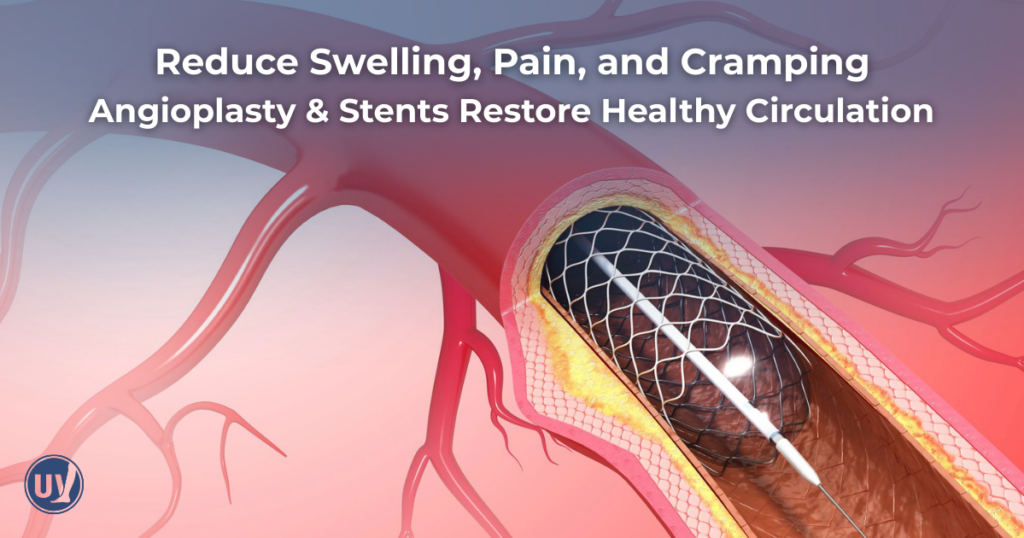
Angioplastia y colocación de stents
Angioplasty involves inserting a small balloon into the narrowed vein and inflating it to widen the vessel. In many cases, a stent is placed to keep the vein open and maintain healthy blood flow.
Clot Removal
If a blood clot is present, specialized techniques may be used to dissolve or remove the clot safely.
These outpatient procedures typically involve small incisions, minimal discomfort, and shorter recovery times compared to traditional surgery.
How Treatment Can Improve Your Life
Successful treatment of iliac vein compression can lead to:
- Reduced leg swelling
- Relief from pain and heaviness
- Improved walking endurance
- Decreased risk of future clots
- Better overall vascular health
Many patients report noticeable symptom improvement shortly after their procedure.
Preguntas frecuentes
Persistent swelling in one leg, especially when accompanied by pain or skin discoloration, may suggest iliac vein obstruction. Because symptoms overlap with other vein conditions, imaging tests are necessary for an accurate diagnosis.
May-Thurner syndrome can increase your risk of developing deep vein thrombosis. If left untreated, it may lead to chronic swelling and skin complications. Early detection and treatment significantly reduce these risks.
Yes. Most iliac vein conditions are treated using minimally invasive procedures such as angioplasty and stenting. These treatments are typically performed on an outpatient basis with relatively quick recovery times.
Dé el siguiente paso hacia el alivio
If you are living with unexplained leg swelling, pain, or recurring vein symptoms, the underlying issue may be deeper than you think. Iliac vein compression and related conditions can quietly disrupt circulation and worsen over time.
You do not have to continue managing uncomfortable symptoms on your own. The specialists at United Vein & Vascular Centers are here to provide expert diagnosis, advanced minimally invasive treatment, and compassionate care every step of the way.
Schedule a consultation today with UVVC and take the first step toward healthier circulation, reduced leg symptoms, and a better quality of life.